Timber stand work
Timber Stand Improvement and Site Prep in North Georgia
Sawnee Land Clearing does timber stand improvement (TSI) and post-harvest site prep across Forsyth County and North Georgia: pre-commercial thinning, understory mulching and cut-over tracts readied for planting. We work to your consulting forester's prescription and mulch the cut stems in place. Georgia's Resilient Forest Incentives Program lists thinning, understory mulching and site preparation, with a ten-acre minimum.
- Thinned to the prescription
- Stems mulched in place
- Creek zones left alone
- Ready to replant
What's included
Stand work, from crowded pines to a cut-over tract
Six kinds of work. Your forester's prescription, or the stand itself, decides which ones apply.
 01
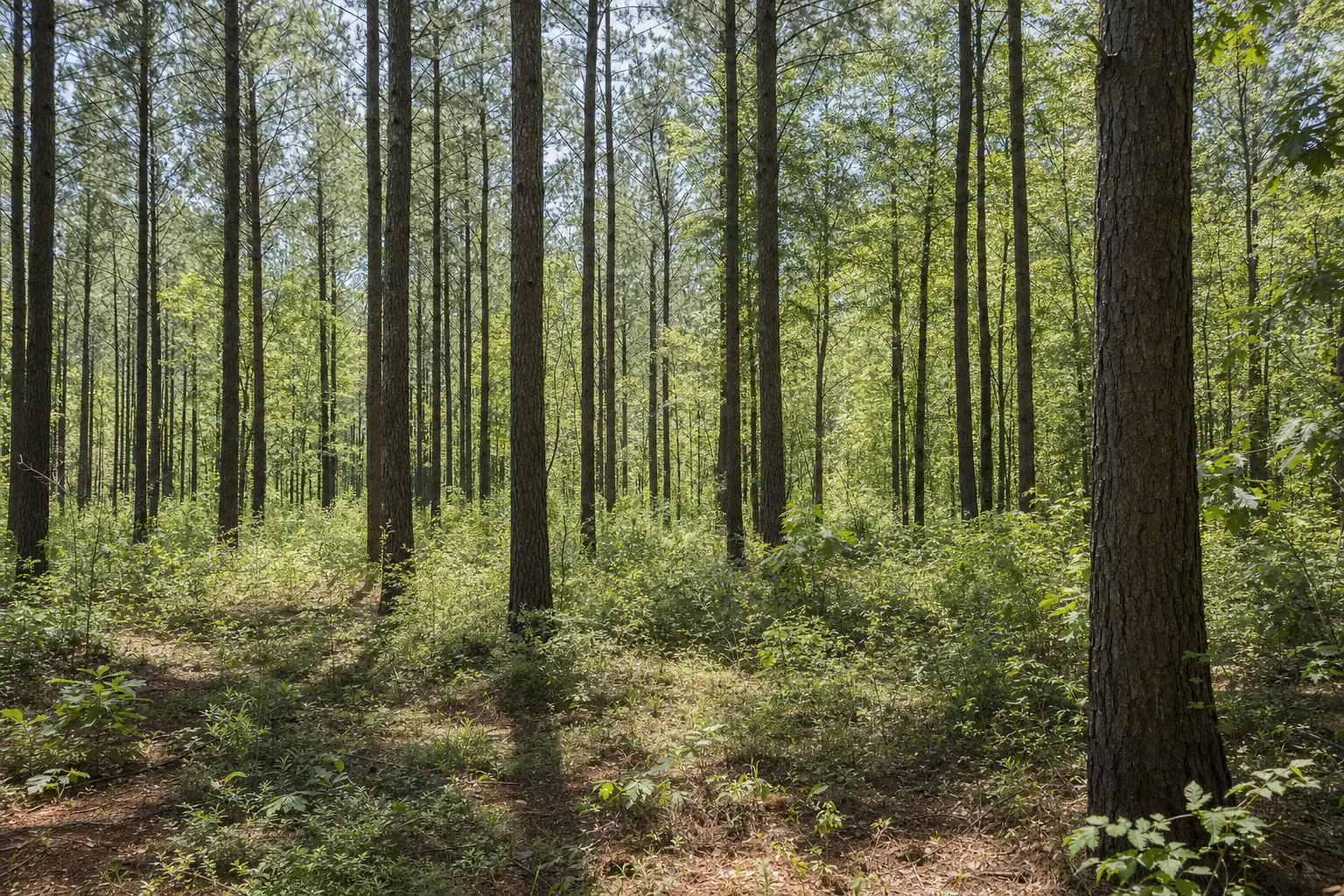
Pre-commercial thinning
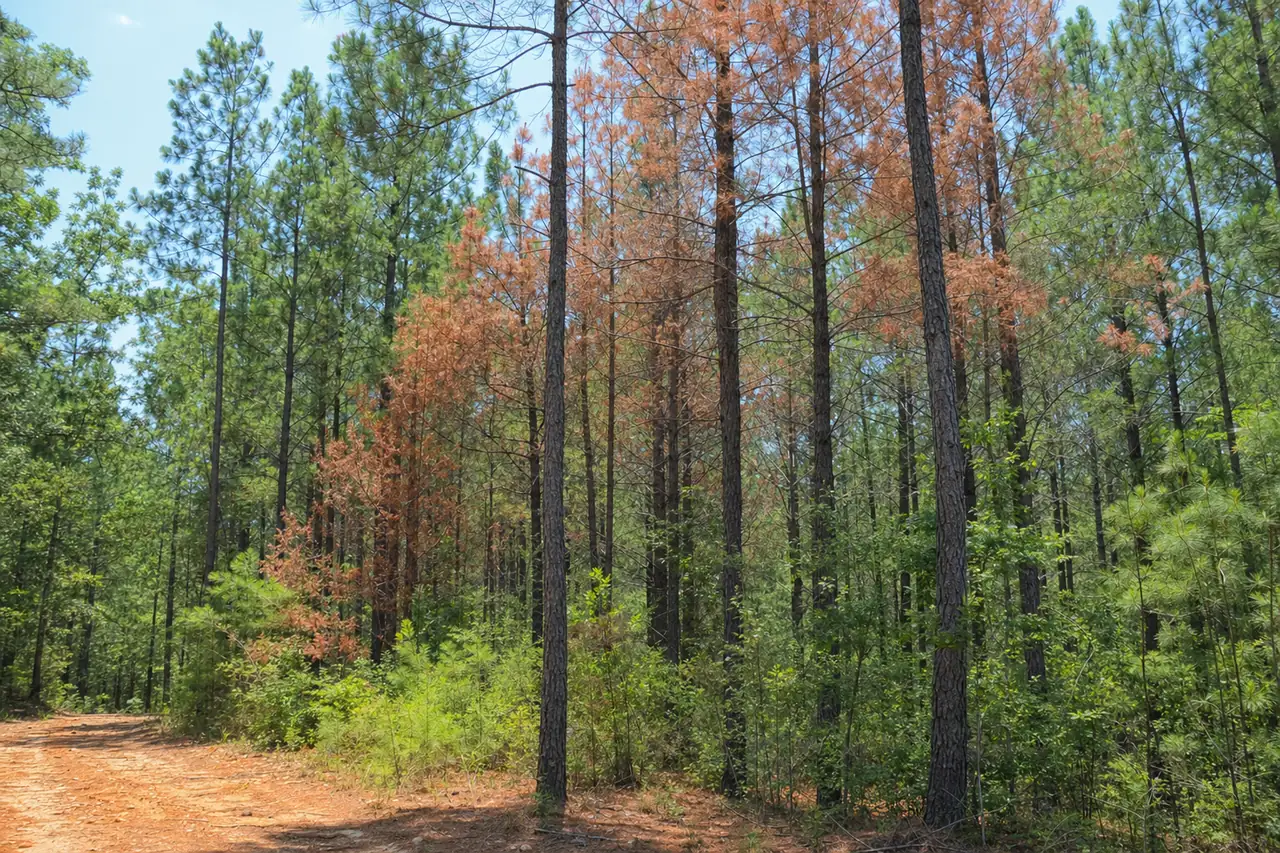
Crowded young pines too small to sell, thinned so the trees you keep get the light and the water.
 02
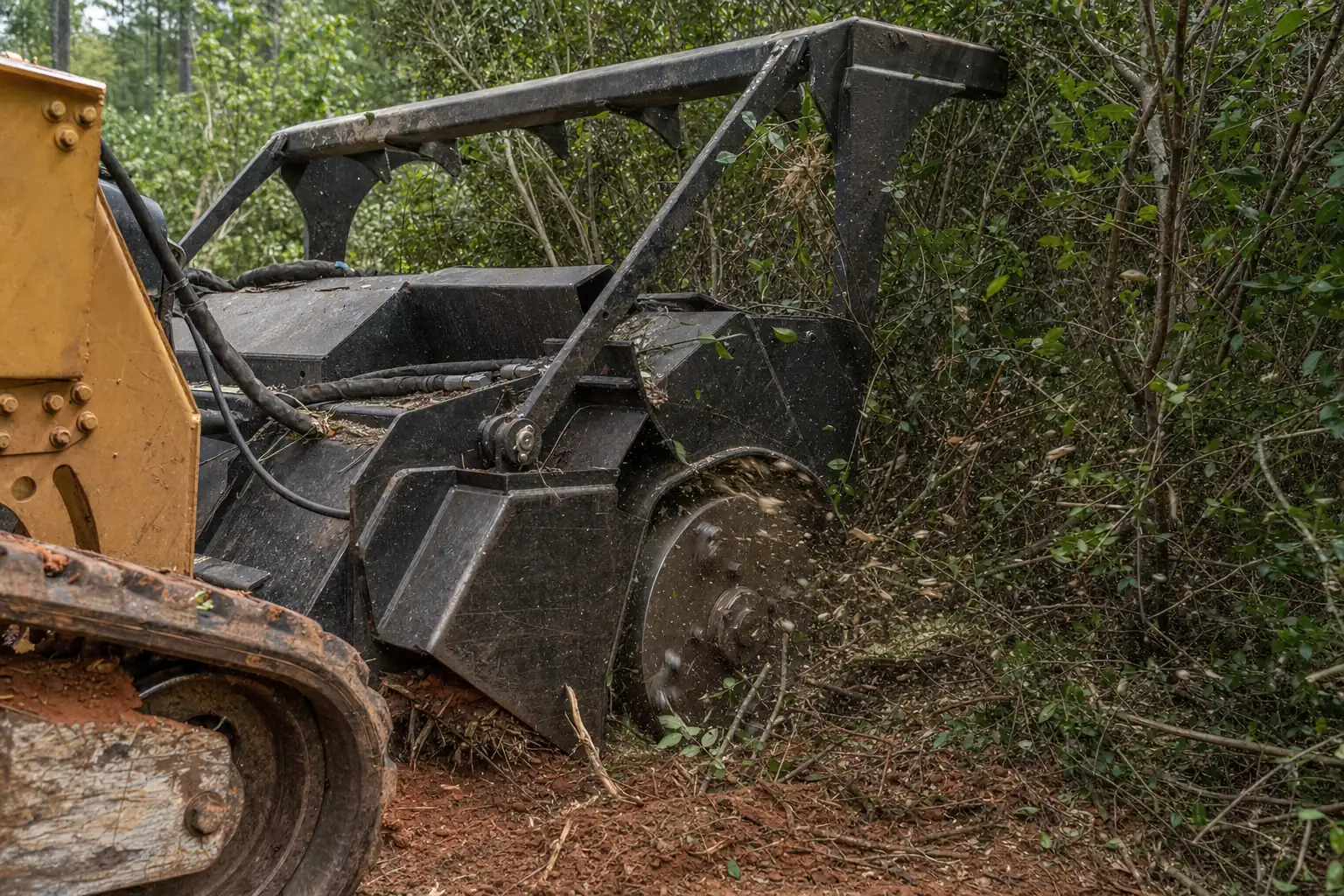
Understory mulching
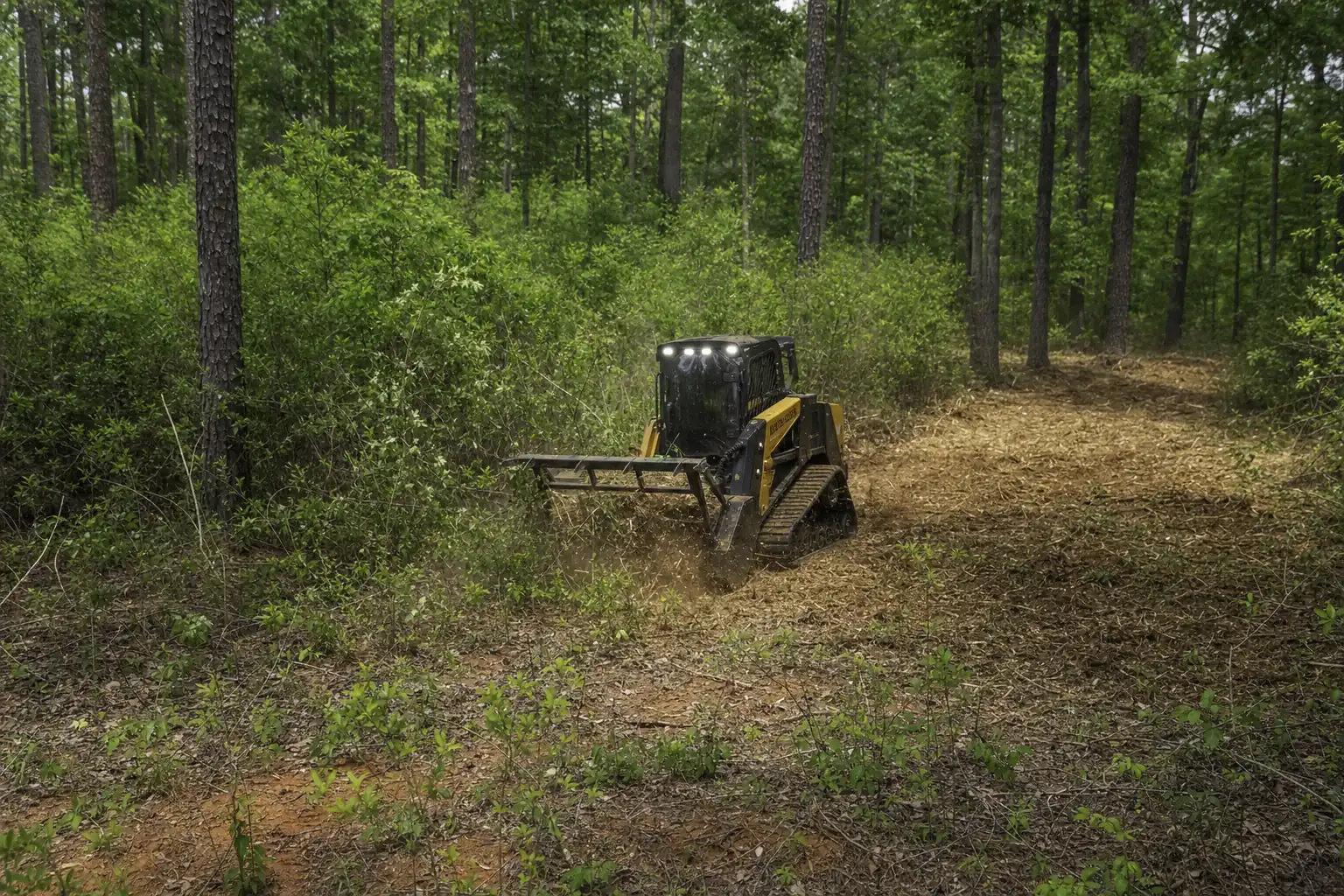
Brush, vines and small hardwoods under the canopy ground in place, so the pines stop competing with them.
 03
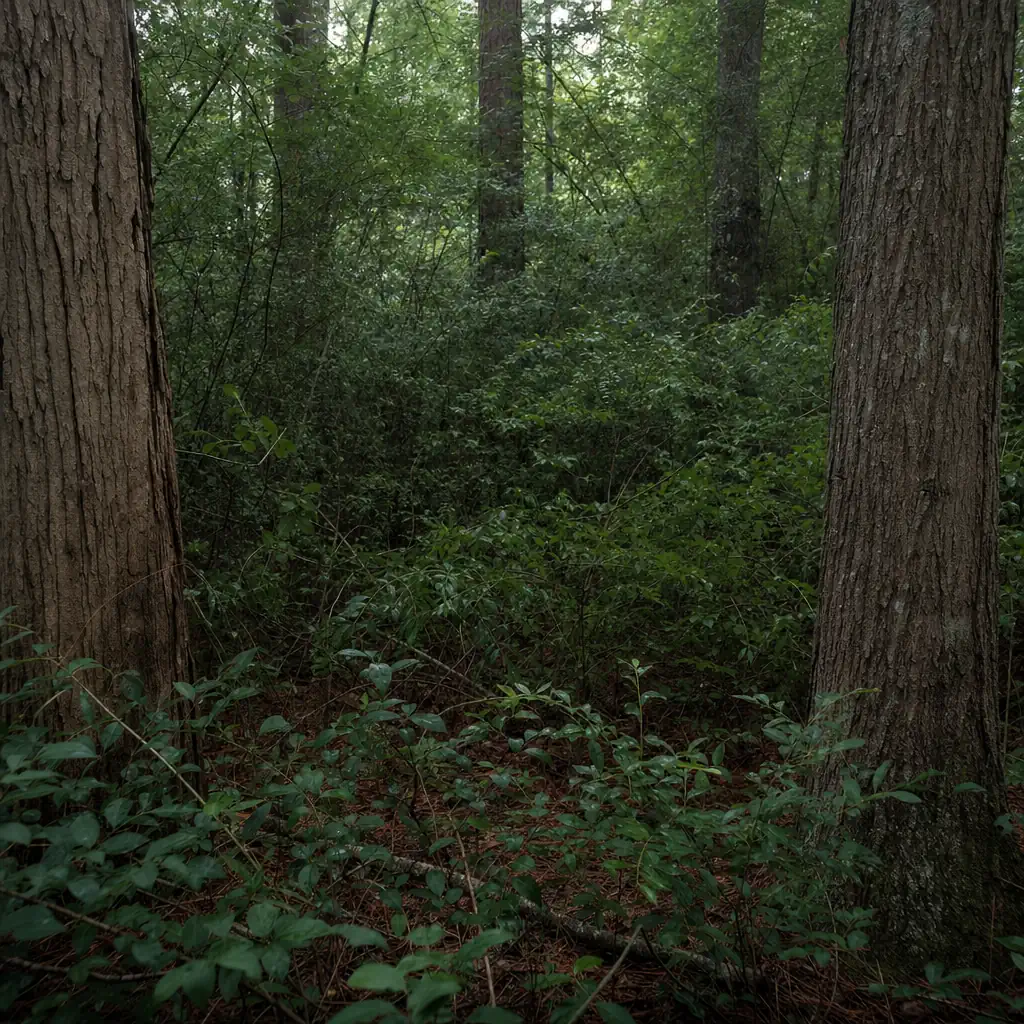
Hardwood competition
Sweetgum and red maple cut back where they crowd your pines. They resprout, so plan a follow-up or mowing on open ground.
 04
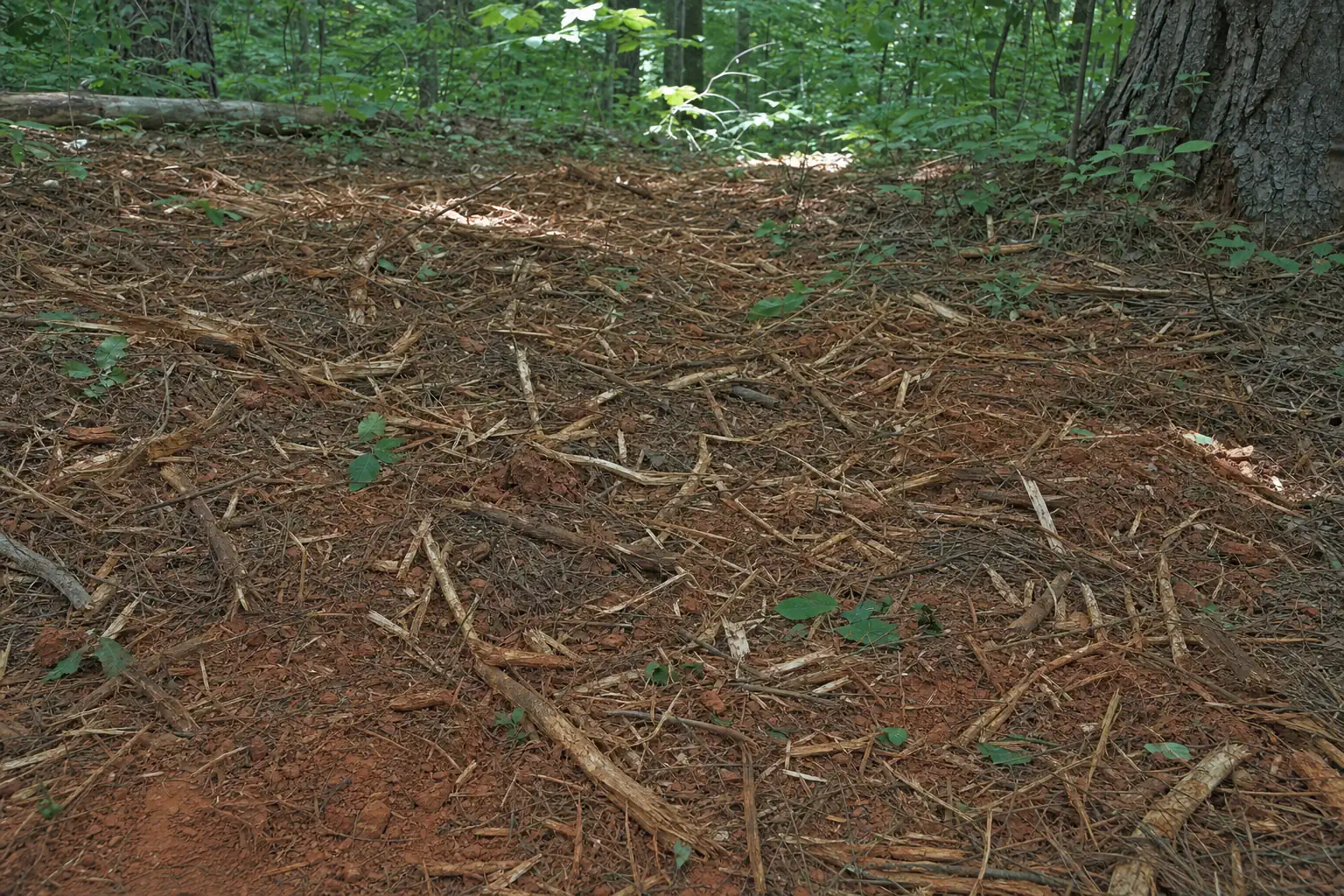
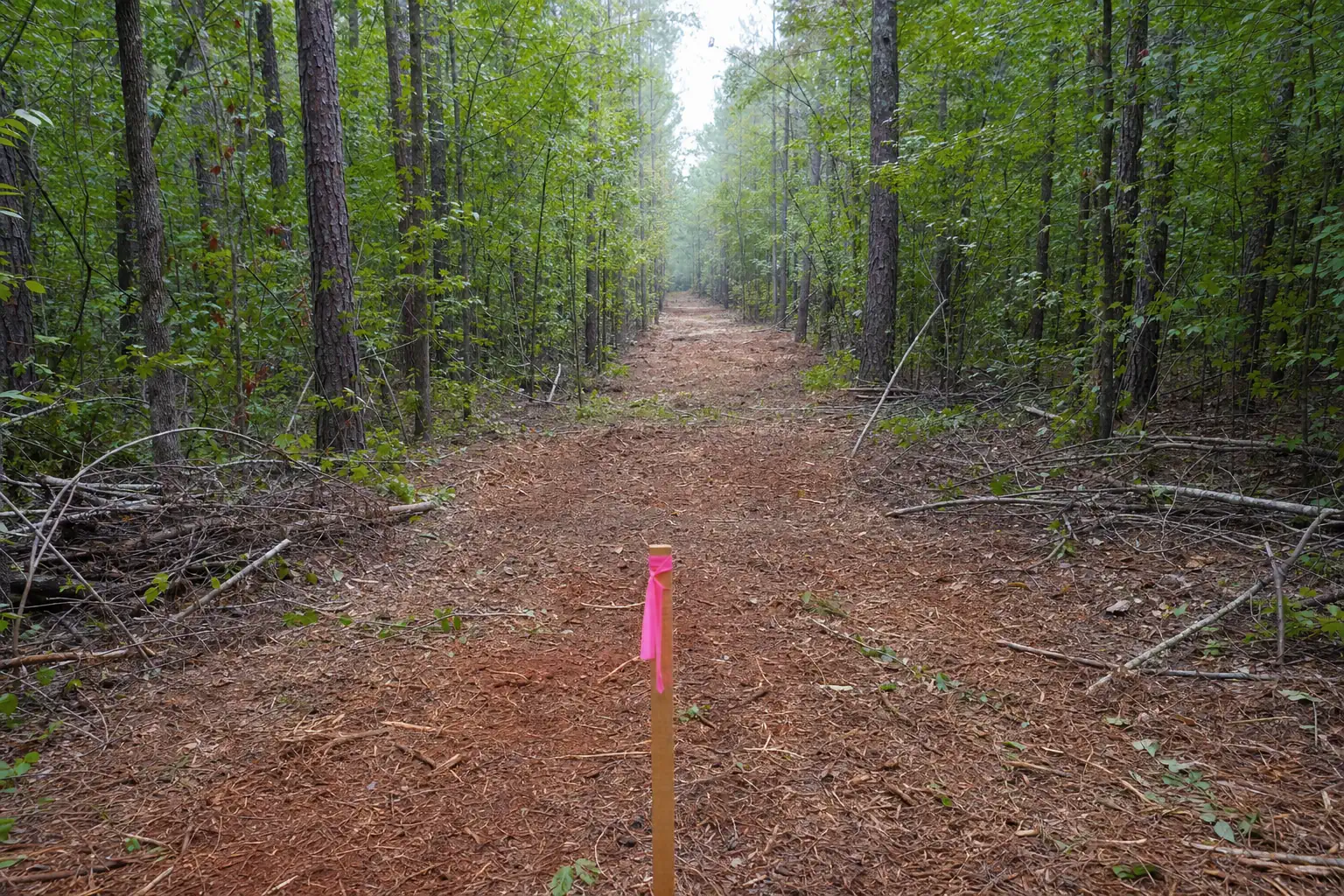
Post-harvest site prep
Logging slash, tops and leftover stems mulched after a harvest, so the planting crew can walk the rows.
 05
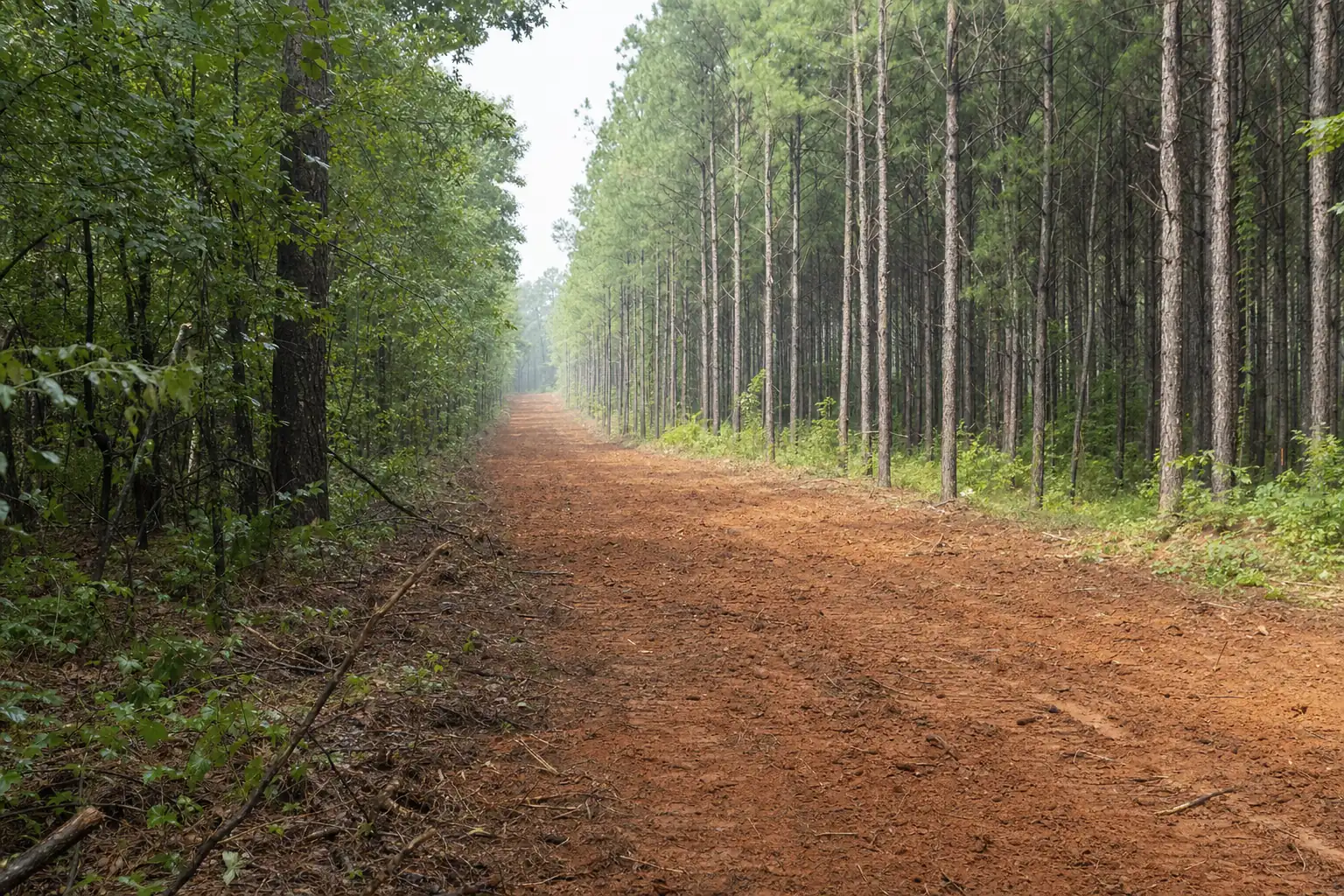
Streamside zones flagged
SMZs, the protected strips along creeks, marked before the machine starts and kept out of the work.
 06
Lines and access
Firebreaks and woods roads cut on the same job, ready for the first prescribed burn.
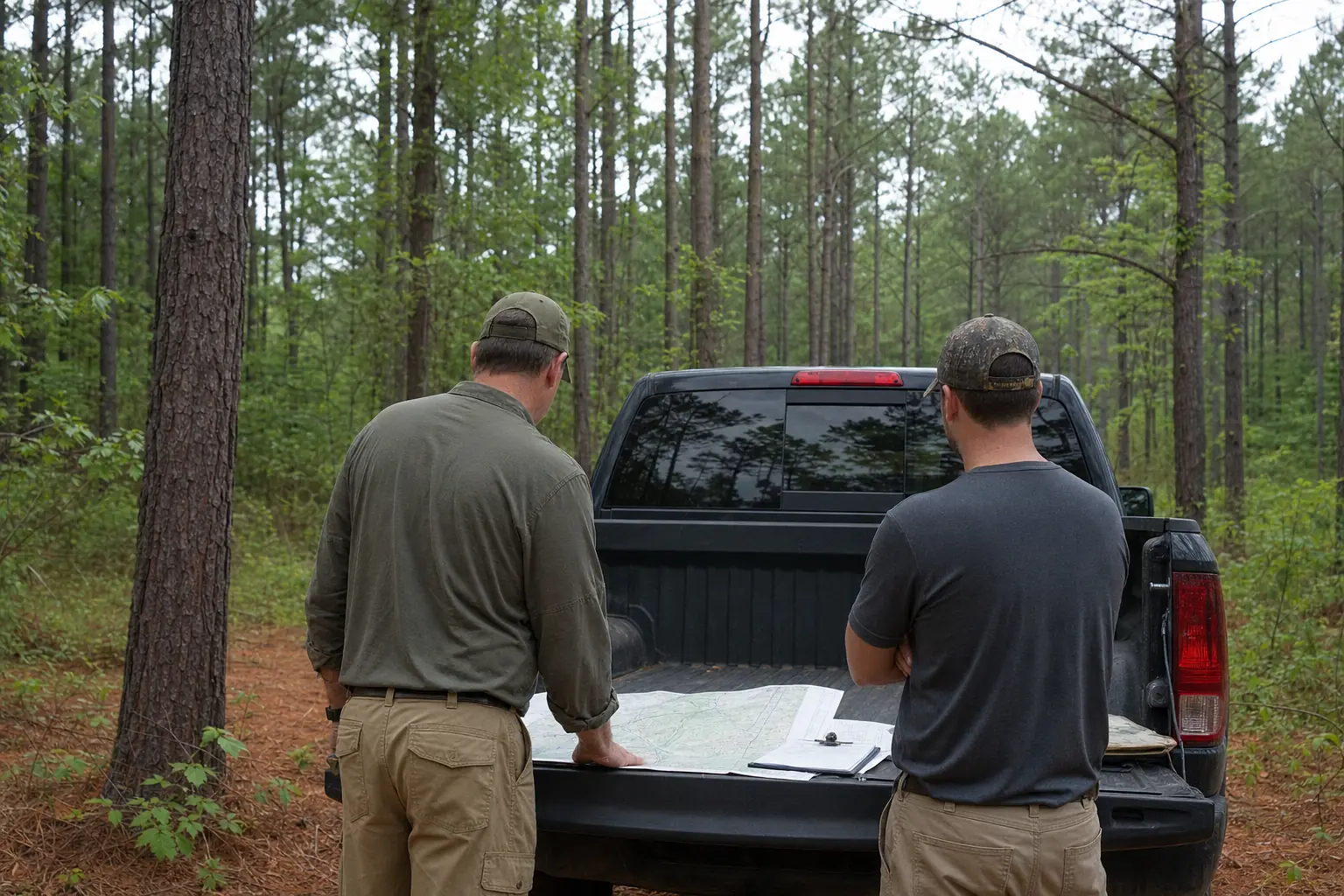
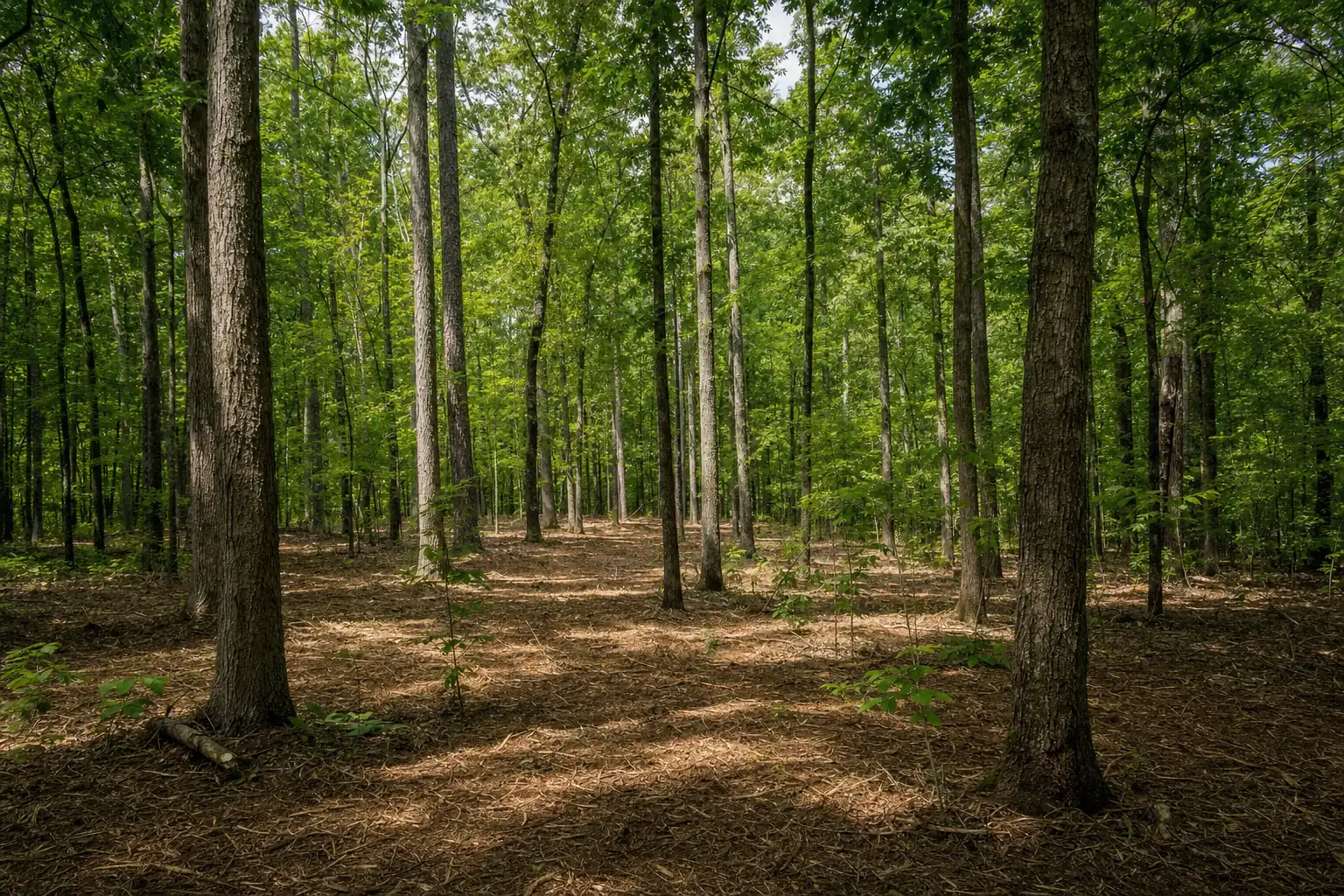
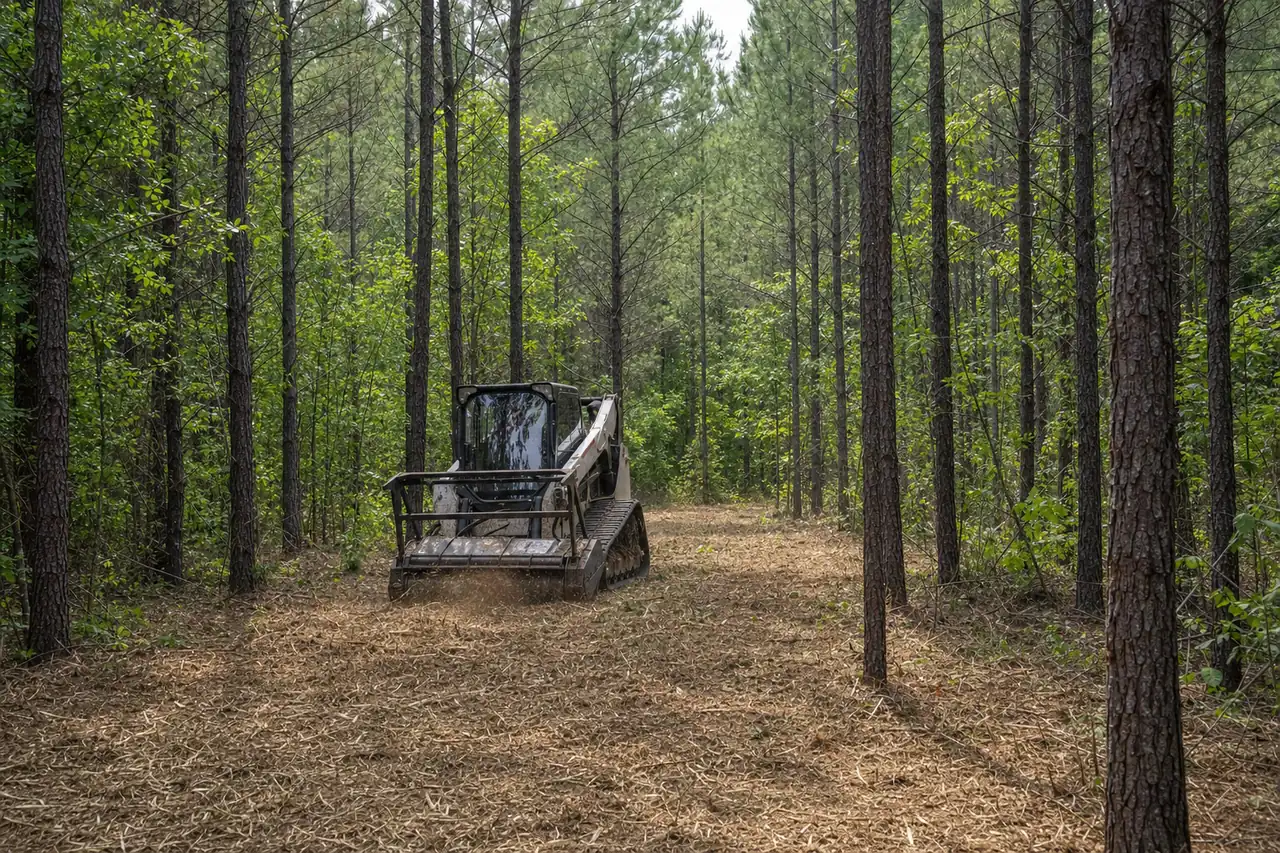
Thinned to the forester's marks, stems mulched where they fall.
Your forester's plan
Your forester writes the prescription. We carry it out.
Most TSI starts with a consulting forester who cruises the stand and sets a target basal area, the square feet of trunk per acre the stand should carry after thinning.
We work from that prescription and the paint on the trees. No forester yet? We can point you to the guide on hiring one.
- Thinned to the target basal area
- Keeper trees left without bark scrapes
- SMZs flagged and kept out of the work
- Itemized records for your forester's file
Georgia pays
What Georgia's forest program lists for this work
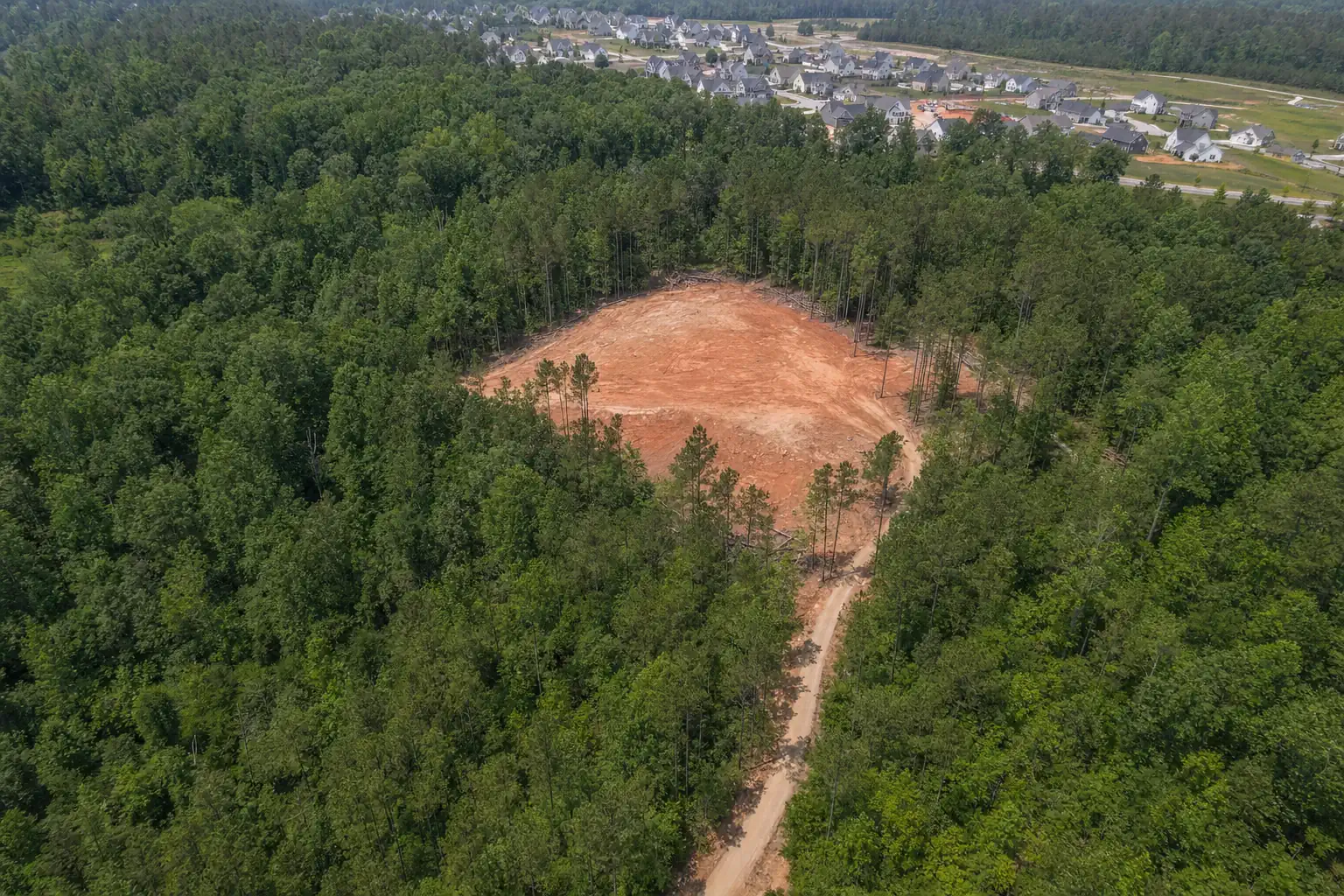
Georgia pays landowners for named practices on forest land. The Resilient Forest Incentives Program publishes a rate per acre for each one and pays against that schedule, not against our price.
Resilient Forest Incentives Program- $130/acre
- Published rate for non-commercial thinning
- $150/acre
- Published rate for understory mulching
- 10 acres
- Minimum practice size
- June 15 to July 3
- Sign-up window
Program figures and sign-up windows are set annually and are current as of November 4, 2026. We confirm every figure with the Georgia Forestry Commission or NRCS before any application. This page explains how programs work; it is not a guarantee of eligibility or reimbursement.
One contract
One contractor for the whole stand prescription
A forester's plan often calls for thinning, understory work, firebreaks and a burn. Most single-machine outfits handle one of those.
The sequence
From the forester's prescription to a stand ready to grow
How a thinning or site-prep job runs once the stand is marked. Wet clay on skid trails and slopes is what usually moves the dates.
- 1Day 0
Read the prescription
Target basal area, marked trees, SMZs and the forester's notes, walked on the ground.
- 2Day 0
Flag the creeks
SMZ edges and stream crossings marked so no machine works inside them.
- 3Days to weeks
Thin or mulch
Rows and leave-trees worked to the marks, cut stems ground in place.
- 4Same job
Lines and access
Firebreaks and woods roads cut if the plan calls for a burn.
- 5Handoff
Check with your forester
Stand walked against the prescription, with photos and records for the file.
Cost
What stand work costs, and what moves the number
Trunk size and stem count drive the price more than acreage. A mulcher spends about 3.5 hours an acre on 4-inch stems and about 10.5 on 12-inch.
Stem size
Saplings grind fast. Trees past 8 to 10 inches usually get felled first.
Stems per acre
A crowded natural stand takes far longer than a planted one with open rows.
Slope and creeks
Steep Piedmont ground and SMZ edges slow the machine down.
Slash after harvest
Heavy tops and debris from a logging job add machine hours to site prep.
Acreage
Hauling the machine in costs the same for 10 acres or 60, so bigger tracts price lower per acre.
Lines on the same job
Firebreaks and access roads cost less added now than brought back later.
Estimated ranges around North Georgia
- Light understory, saplings under 4 in
- $1,200 to $2,500/acre
- Mixed stems, 4 to 8 in
- $2,500 to $4,000/acre
- Dense hardwood, 8 to 12 in+
- $4,000 to $6,500+/acre
- Machine day rate
- $1,800 to $3,000
Ranges are estimates for Forsyth County and the surrounding area based on job density, terrain, access and acreage. Your written quote is the only price that applies to your property.
Forestry mulching cost per acreWho it's for
Who calls us for stand work
Timber landowners
A stand your forester says is overdue for thinning, or a tract cut last year.
Hunting land owners
Thinned pines let light reach the ground, and open understory makes the woods easier to hunt.
Families with inherited timberland
A stand nobody has managed in years, worked to a plan while you're out of state.
Straight answers