Invasives guide · 8 min read
Other Invasives We Clear: Wisteria, English Ivy, Bamboo, Autumn Olive, Tree-of-Heaven
Beyond privet and kudzu, Forsyth County land carries wisteria, English ivy, running bamboo, autumn olive and tree-of-heaven. All five come back from roots or runners when you cut them, so each needs the same two-part plan: mechanical removal to open the ground, then herbicide follow-up by licensed applicators over more than one season.
Vines and invasives mapped, a plan in one business day.
Why these five come back
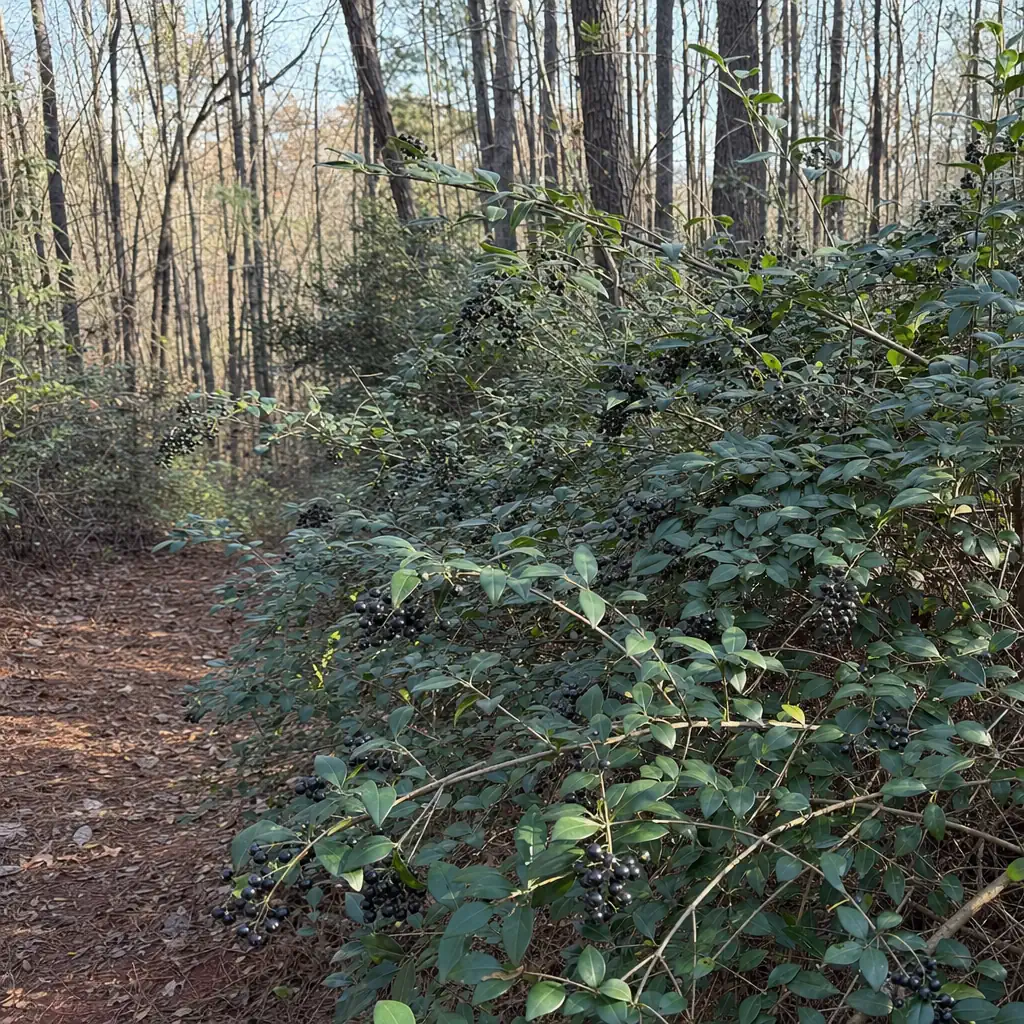
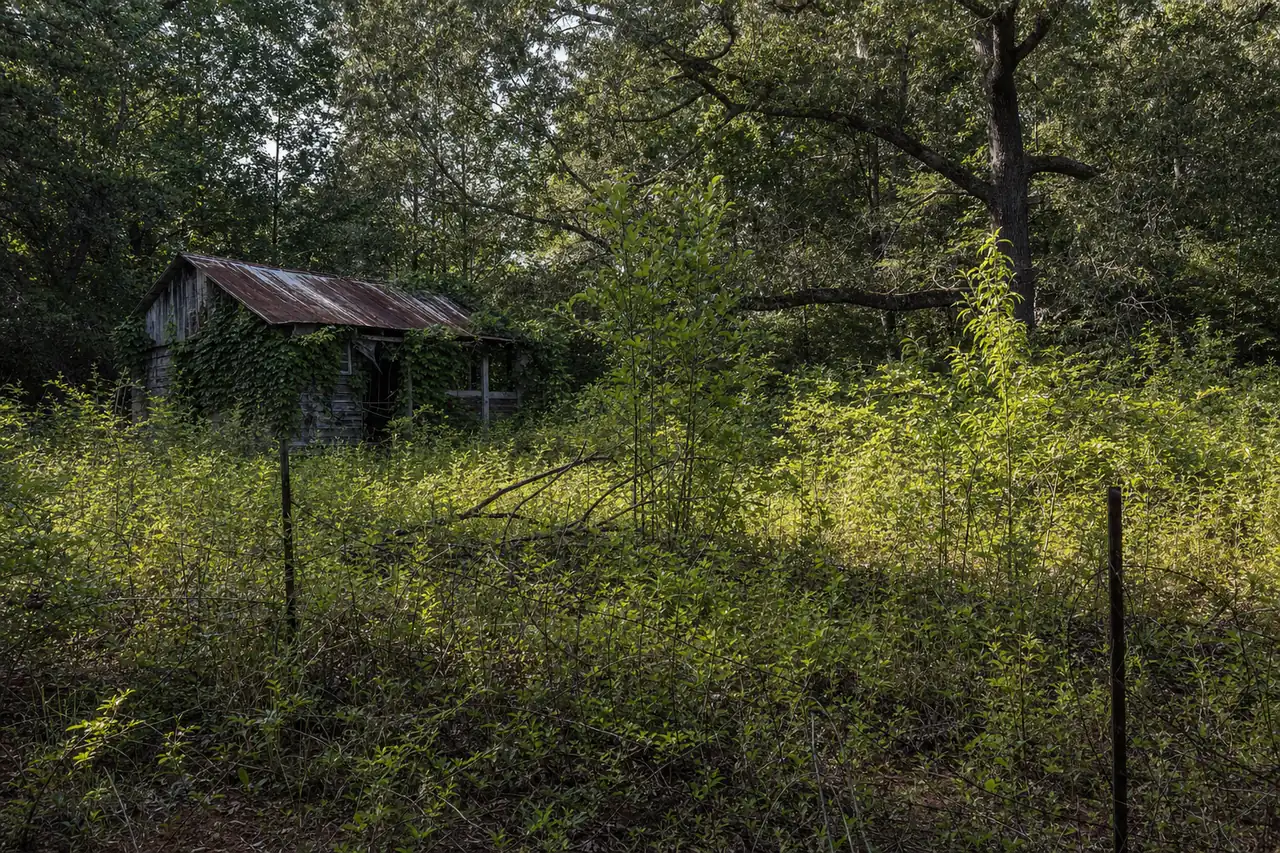
Privet and kudzu get the attention in Forsyth County, but they rarely show up alone. Walk an old homestead off Matt Highway or a creek bottom toward the Etowah side and you’ll find wisteria pulling down the edge trees, ivy climbing the oaks, a bamboo stand someone planted decades ago, autumn olive in the old field and tree-of-heaven along the road.
What these plants share is the reason they’re hard to get rid of. Each one stores energy below ground, in roots, rhizomes or runners, and answers a cut by sending up new growth. A mulcher or a mower takes the top off and leaves that system alive. So each one needs the same two-part plan as privet: mechanical work to open the ground, then herbicide follow-up on the regrowth, by licensed applicators, over more than one season.
Herbicide applications are performed by licensed applicators in accordance with the product label.
The five at a glance
| Plant | How you know it | How it spreads | What removal takes |
|---|---|---|---|
| Wisteria | Woody vine, hanging purple flower clusters in spring | Runners along the ground, vines up into trees | Vines cut at the base, ground mulched, regrowth treated |
| English ivy | Evergreen vine carpeting the ground and climbing trunks | Stems rooting as they spread | Vines cut on the trunks, ground cover treated |
| Running bamboo | Dense stands of jointed canes | Underground rhizomes | Canes mulched, new shoots treated or mowed for several seasons |
| Autumn olive | Shrub with silvery leaf undersides, red berries in fall | Birds carrying the berries | Mulched, then stumps and sprouts treated |
| Tree-of-heaven | Fast tree with long compound leaves and a rank smell when crushed | Root suckers and wind-blown seed | Treated standing first, cut after |
All five respond to the same approach in outline. The details below are what change from plant to plant.
Wisteria
Wisteria is the vine people planted on porches and arbors, and it is the one we find most around old homesteads in the county. Left alone, it climbs into the canopy and pulls the edge trees down, and it sends long runners across the ground that root where they touch.
- Climbing vines. Cut low at the base so the tops die off in the canopy. Pulling them down can bring limbs with them.
- Ground runners. A mulcher grinds the mat and the runners in place, which shows where the root crowns are.
- Regrowth. Wisteria resprouts from the crowns and runners. Licensed applicators treat it over more than one season.
Wisteria and privet often share the same old fence rows and house sites, and both are worth treating in the same plan. A wisteria that has been climbing for decades can have trunks as thick as a small tree’s. Those get cut by hand at the base before the machine works the ground around them, so the mulcher isn’t pulling on vines tied into the canopy.
English ivy
English ivy covers the forest floor in an evergreen carpet and climbs up the trunks of the trees you want to keep. On the ground it smothers everything else. In the trees it adds weight and shade to the crown over the years.
Ivy on the trunks gets cut through at the base, all the way around, so the upper vines die where they cling. On the ground, a mulcher or mower breaks up the mat, but the stems root as they spread and come back, so the ground cover needs treatment afterward. Ivy is slow work by the acre, and we price it after the walk.
We see the most ivy on shaded lots near older houses and along the wooded edges behind subdivisions, where it escaped from someone’s yard. If the trees it climbs are ones you want to keep, cutting the trunk vines is the first job, even before any ground work starts, because it stops the damage in the crowns right away.
Running bamboo
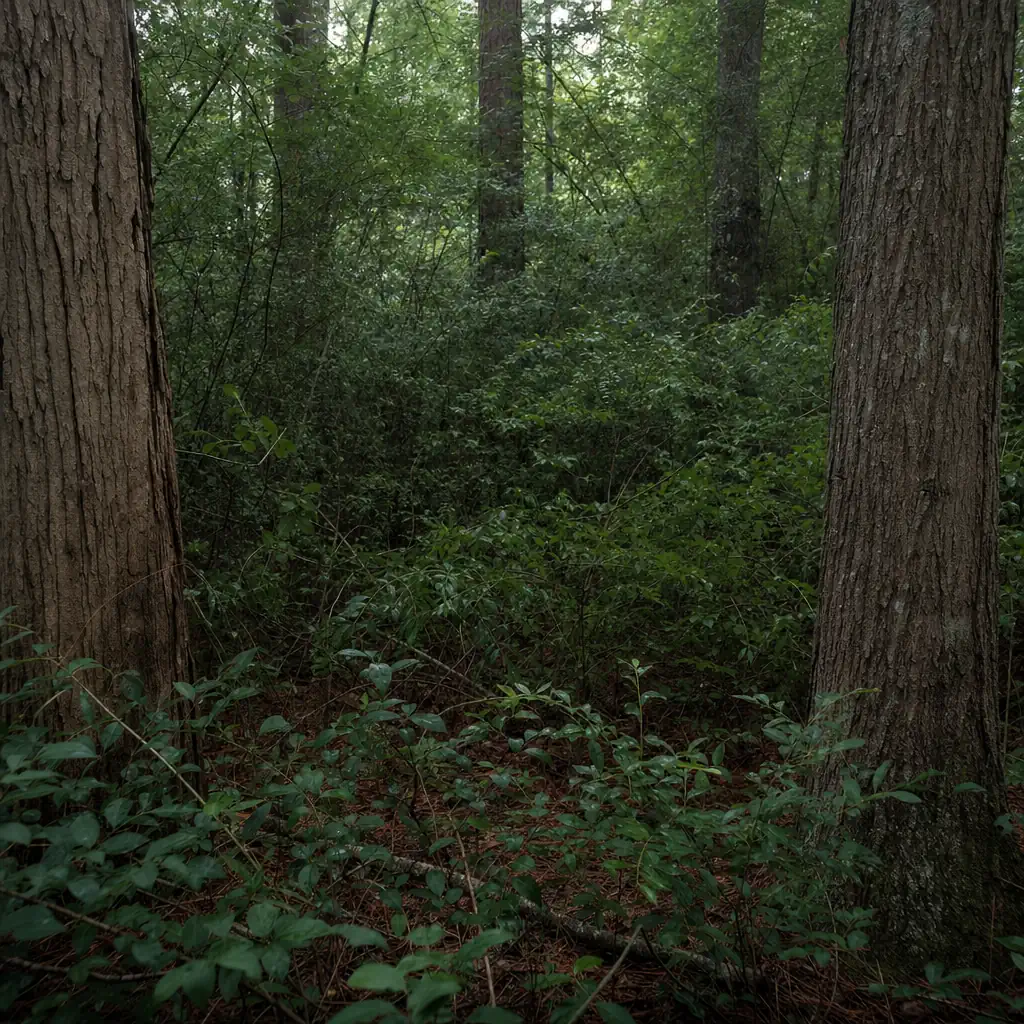
Bamboo is the call we get from people who inherited land with a stand planted decades ago, often near a creek or the old house. Running bamboo spreads underground by rhizomes, so a stand that started as a clump becomes an acre.
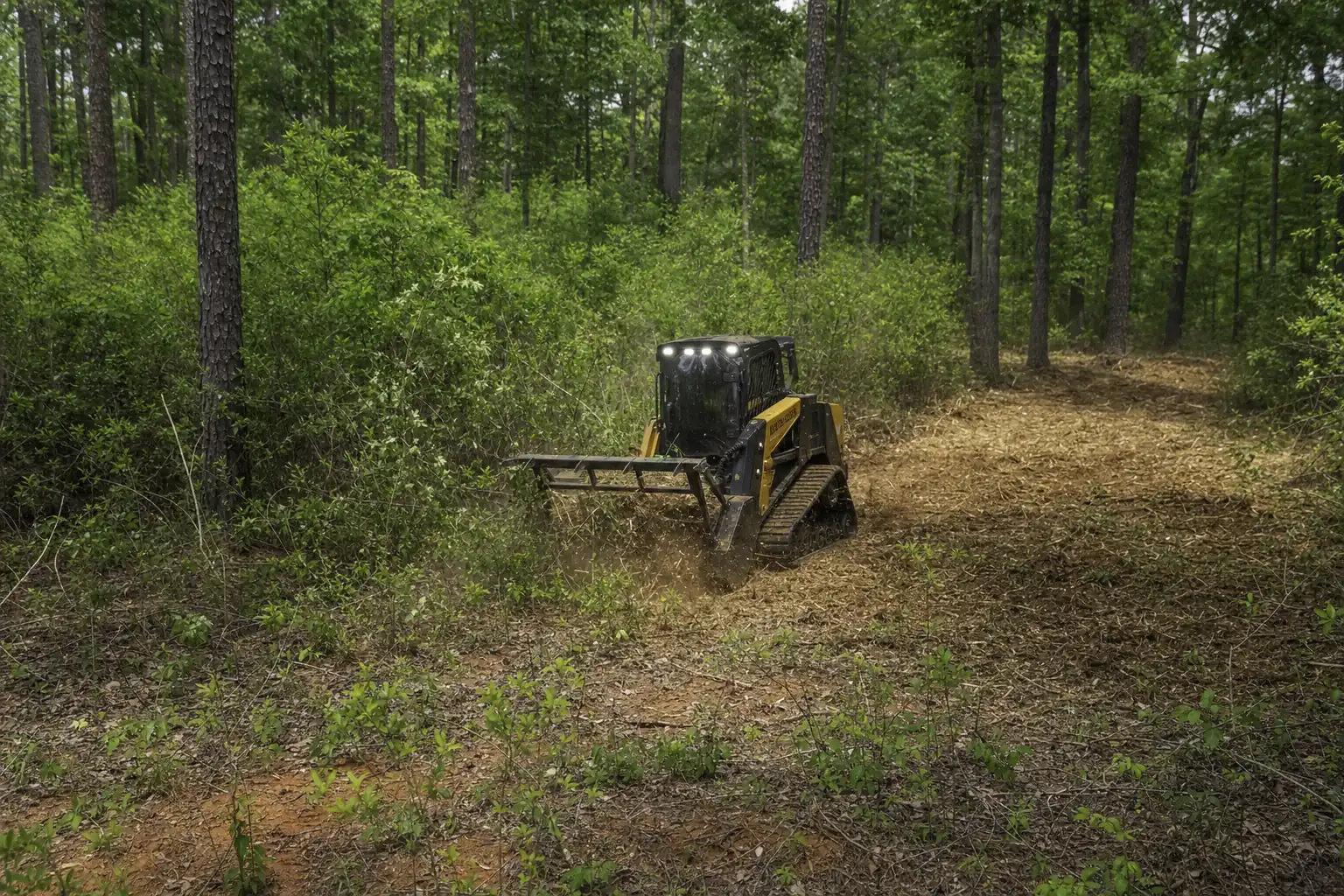
- The canes. A forestry mulcher grinds standing canes in place. Big stands take machine time, and there’s no hauling.
- The rhizomes. They stay alive and push up new shoots. Each round of shoots that gets cut or treated uses up stored energy.
- The schedule. Plan on several seasons of mowing and treatment. Bamboo gives ground slowly.
Bamboo that has spread across the line into a neighbor’s yard comes back from their side too. If the stand crosses a property line, the plan works best when both owners are in on it.
Bamboo near water needs care. If the stand runs down to a creek, the stream buffer rules decide where the machine can go, and we settle that before the first visit. Privet removal along creeks covers how we plan work near water.
Autumn olive
Autumn olive was planted across the South for wildlife and erosion control and has since filled old fields and roadsides. It’s a spreading shrub whose leaves are silvery underneath, with small red speckled berries in fall that birds carry everywhere.
It behaves much like privet. Mulching levels it, the stumps resprout, and the regrowth gets treated. Old fields gone to autumn olive, privet and sweetgum are common on tracts around Coal Mountain and the north end of the county, and we treat them as one job. Callery pear, the wild form of Bradford pear, usually grows in the same fields; see is Bradford pear invasive in Georgia.
Tree-of-heaven
Tree-of-heaven grows fast along road edges, fence rows and disturbed ground. Its leaves are long and divided into many leaflets, and they give off a rank smell when crushed. It spreads by seed and by suckers from the roots.
Tree-of-heaven is the one plant here where the order matters most. Cut a standing tree and the roots answer with a flush of suckers, sometimes yards away. The usual approach is to have licensed applicators treat the standing trees first, then cut or mulch them after they die. If you have it on your land, tell us before anyone starts cutting.
Privet, autumn olive and sweetgum also sprout after a cut, and for them mulching first and treating the even regrowth works well. Tree-of-heaven is the exception on this page, and a mowing schedule alone won’t get ahead of it.
What we leave standing
Not every vine or thicket on your land is a problem. Several native plants look rough but belong in Georgia woods, and we flag them on the walk the same way we flag keeper trees.
- Muscadine. The native grape climbs into the trees along field edges. Deer and turkey use the fruit, and hunting land owners usually want it kept.
- Virginia creeper and crossvine. Native climbers that share trunks with English ivy. They drop leaves or flower differently, and we leave them where you want them.
- River cane. Georgia’s native bamboo grows in creek bottoms and looks a lot like the running bamboo planted near old houses. It’s thinner and it belongs along the water. If a stand is on a creek, we confirm which one it is before anything gets cut.
- Native shrubs. Once privet and olive come out, native shrubs in the understory are what you want filling the space. The mulcher works around the ones worth keeping.
If you aren’t sure what you have, send photos. Telling an invasive from its native neighbor is part of the walk, and it changes the plan.
How a mixed-invasive job runs
Most land has more than one of these. We plan the whole tract at once, so one walk and one contract cover everything on it.
- 1Walk and identifyWe map each invasive, flag keeper trees and mark creeks.
- 2Order the workTree-of-heaven treated first, then vines cut and thickets mulched.
- 3Treat the regrowthLicensed applicators treat each plant in its season.
- 4Check and mowWalk-throughs each year and mowing to keep the ground open.
The mechanical pass is priced by the acre like other clearing. Vines, brush and saplings usually run about $1,200 to $2,500 an acre around Cumming, with a $1,200 to $2,000 minimum for small jobs, and treatments are quoted on top. Bamboo and ivy vary more, so we price them after the walk.
Ranges are estimates for Forsyth County and the surrounding area based on job density, terrain, access and acreage. Your written quote is the only price that applies to your property.
What vines and thickets hide
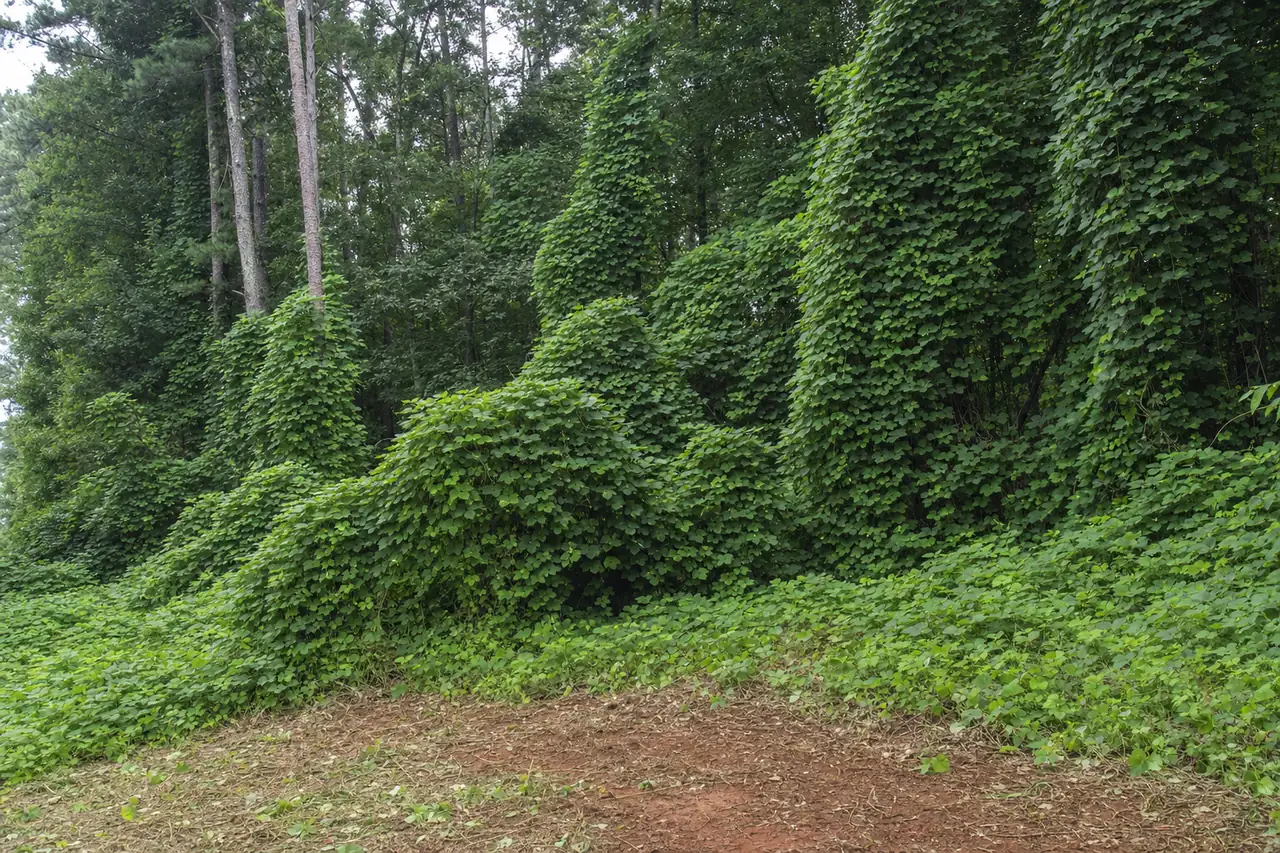
A wisteria mat or a bamboo stand can sit over things you don’t want a machine to find by surprise. Georgia’s forestry guidance on kudzu warns that the vine mat can hide gullies, ditches, logs and wells, and the same goes for any heavy vine cover. On old homesteads in the county we regularly find fence wire, collapsed sheds, trash piles and old foundations under the growth.
That’s why we walk the land before the quote, and why the first pass on a heavy vine job often runs slower than a privet thicket of the same size. Where we can’t see the ground, we cut the top growth first, look, and then bring the mulcher in. If you know where an old well or a dump site is, mark it before we come. It saves a machine, and on an inherited property it saves a lot of guessing; see estate and inherited property cleanup.
What Georgia pays toward
Georgia’s Invasive Plant Control Program reimburses private forest landowners for invasive control that combines mechanical treatment with herbicide. Its target list goes beyond privet and kudzu and includes plants such as wisteria, non-native olive and Callery pear. The program has acreage minimums and a per-landowner cap, and it decides which jobs fit. We confirm the current terms with the program office before any application.
Program figures and sign-up windows are set annually and are current as of November 4, 2026. We confirm every figure with the Georgia Forestry Commission or NRCS before any application. This page explains how programs work; it is not a guarantee of eligibility or reimbursement.
More in does Georgia pay for invasive plant removal and on the Invasive Plant Control Program page.
Keeping the ground open after
Every plant on this page comes back from what’s left underground, and seed keeps arriving from the neighbors. Once the invasives are under control, sweetgum, briars and native sprouts move in too. A mowing once or twice a year keeps the ground you paid to open; we set that up as maintenance mowing.
For the two big ones, see Chinese privet removal and kudzu removal, or start at the invasive plant removal hub.