Straight answer · 3 min read
Does Georgia Pay for Invasive Plant Removal?
Sometimes. Georgia's Invasive Plant Control Program reimburses private landowners who meet its ownership minimum and treat at least three acres, when the control work combines mechanical treatment with herbicide. The program pays by its own rules, up to a per-landowner cap, not as a share of a contractor's price. We confirm current terms with the program office before any application.
Most landowners with privet or kudzu have never heard that a state program exists for it. It does, and it is aimed at the same work this site describes. It also has firm rules about who qualifies and what it pays, and a page that promises more than the program does helps nobody. Here is what we can say, and what only the program office can.
What the program pays for
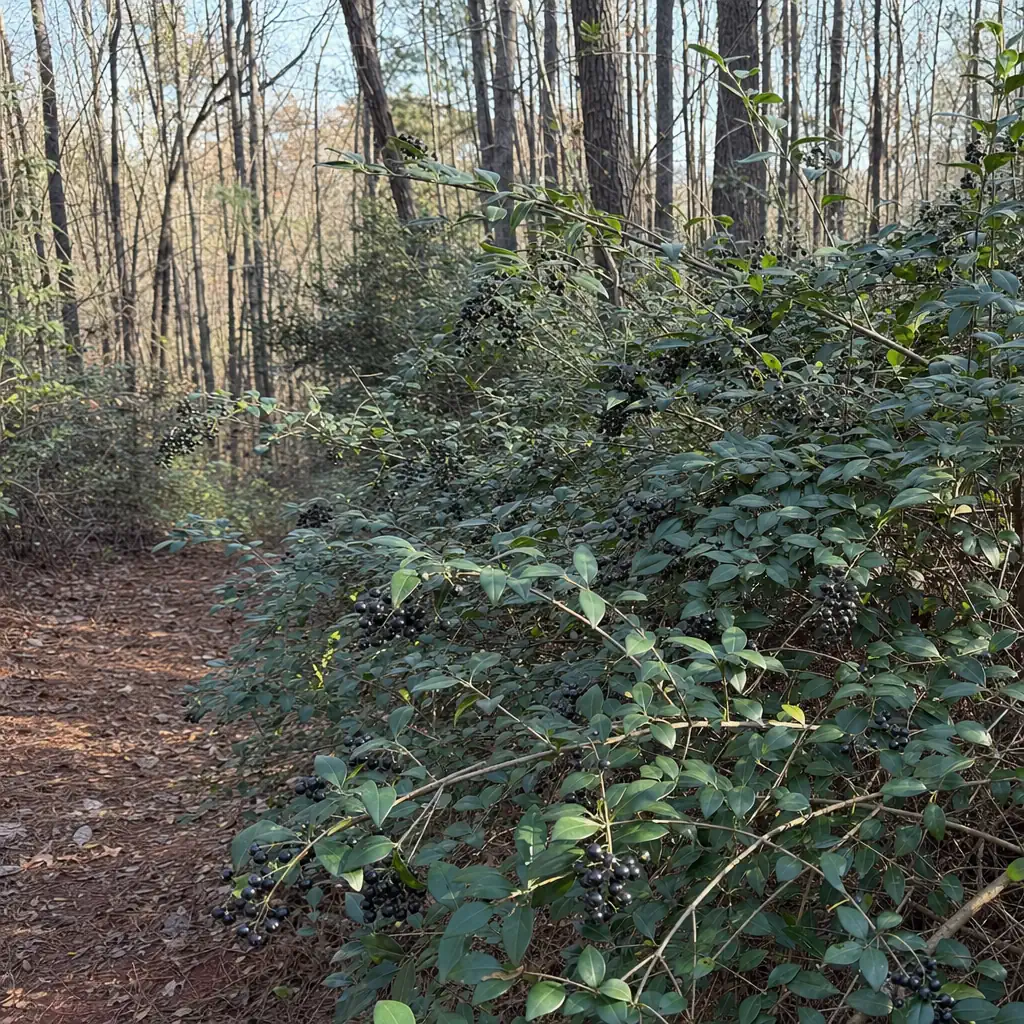
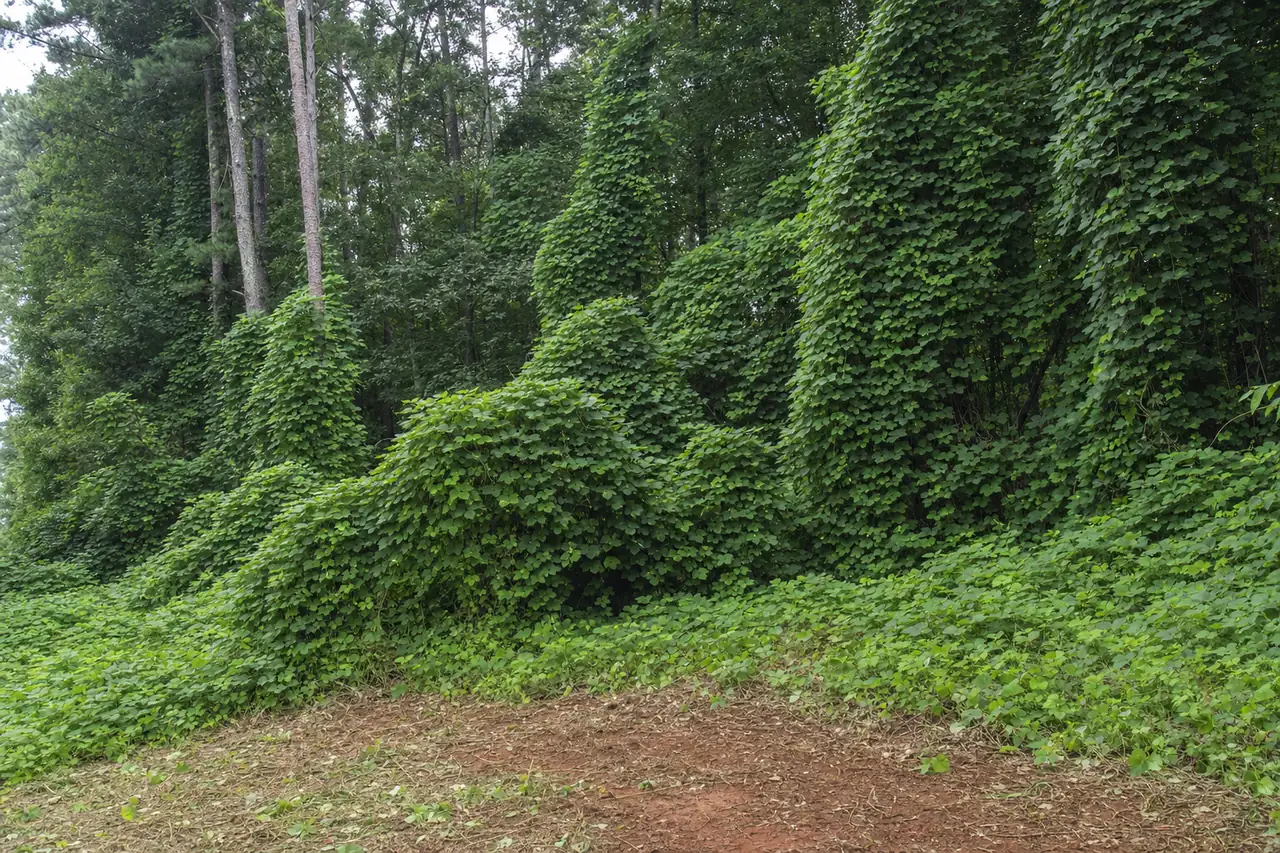
The Invasive Plant Control Program is run through the Georgia Forestry Commission for private forest landowners. It reimburses control of invasive plants where mechanical treatment is combined with herbicide. On most Forsyth County tracts, that means Chinese privet and kudzu. The program’s target list also names other invasives, such as wisteria, non-native olive and Callery pear.
Program figures and sign-up windows are set annually and are current as of November 4, 2026. We confirm every figure with the Georgia Forestry Commission or NRCS before any application. This page explains how programs work; it is not a guarantee of eligibility or reimbursement.
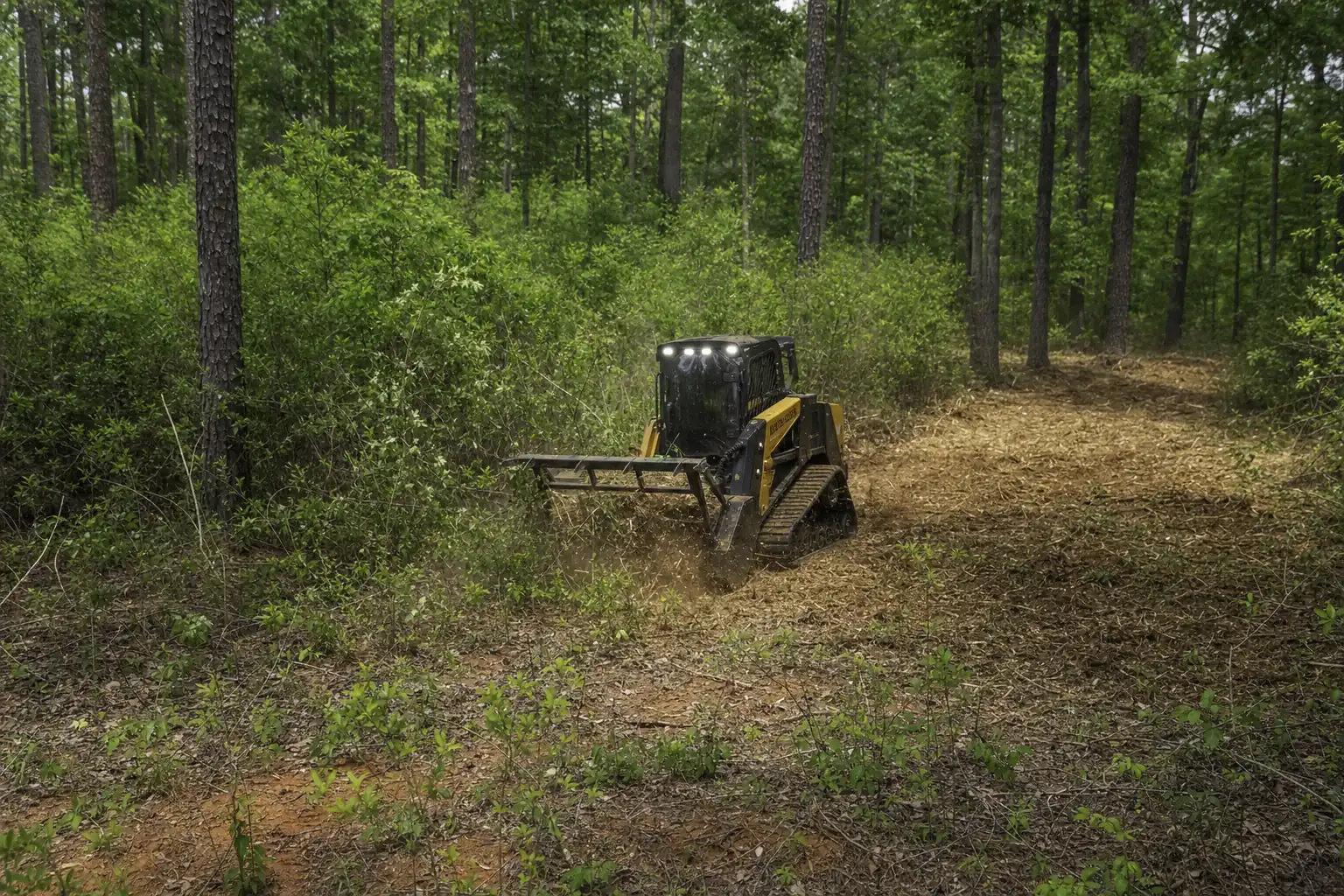
Mechanical work on its own, such as a mulching pass with no treatment after it, is a different thing from the combination the program describes. That matches what the research says works on privet: in a Forest Service study in North Georgia, mulching plus herbicide held privet to about 7 percent re-infestation after five years. The program office decides whether a given job fits.
Who qualifies
| Requirement | What it means for you |
|---|---|
| Private landowner | You own the forest land the work is on |
| An ownership minimum | The property has to meet the program’s acreage minimum |
| Three-acre treatment area | The invasive control work has to cover at least three acres |
| Mechanical plus herbicide | The control combines the two |
| A cap per landowner | The program caps reimbursement at $10,000 per landowner |
| Sign-up dates | Set each year by the program; we check them before you apply |
A house lot, a lawn or a pasture falls outside it. So does a privet patch behind a subdivision home, however thick it is. More on acreage across all the programs in is there a minimum acreage for cost-share.
How the payment works
The program reimburses the landowner once the work is done and documented. The payment comes to you, from the program, by the program’s own rules and up to its cap. It is not a share of what any contractor charges, and our quote does not change what the program pays.
That’s why we don’t put a reimbursement figure on a quote or estimate one on the phone. The program office confirms what applies to your land after you apply. Our quote covers the work; the program decides its part. Sign-up timing is covered in the sign-up window, and the full steps in how the application works.
How it runs with us
- 1Walk the landWe map the invasives, flag keeper trees and mark creeks and slopes.
- 2Check the termsWe confirm current terms and dates with the program office.
- 3You applyThe application is yours. We write the plan the work follows.
- 4Work and recordsMulching and treatments done and documented, then the program pays you.
A privet or kudzu plan that qualifies is rarely one job. It’s a mulching pass, at least two rounds of herbicide by licensed applicators, erosion control where bare clay drains toward a creek, and mowing to keep the ground open after. A single-machine operator has to tell you to hire three other companies for the rest. We run the whole plan on one contract and bring in each piece, so the work and the records stay in one place.
Herbicide applications are performed by licensed applicators in accordance with the product label.
Other programs that may apply
The Invasive Plant Control Program is the one aimed at privet and kudzu, and it isn’t the only one. Georgia’s Resilient Forest Incentives Program lists understory mulching among its practices, and federal EQIP includes Brush Management on Georgia’s forestry practice list. Each program describes what its practices cover, and each decides for itself whether a job fits. Whether one property can use more than one is covered in can one property use more than one program.
For the program itself, see the Invasive Plant Control Program. For the work it pays toward, see Chinese privet removal, kudzu removal and the invasive plant removal hub. Once the invasives are under control, plan on maintenance mowing to keep the ground open.
FAQ
More about Georgia and invasive plant costs
- How much will the program pay on my job?
- The program decides, by its own rules and up to its cap. It does not pay a share of our price, and we won't put a reimbursement figure on your quote. The program office confirms what applies after you apply.
- Do I need ten acres of privet to qualify?
- No. The program has an ownership minimum, which the Georgia Forestry Commission confirms, and needs a treatment area of at least three acres. The privet or kudzu doesn't have to cover the whole property.
- Does privet on a house lot qualify?
- Usually not. The program is for private forest land that meets its acreage minimums. A house lot, lawn or pasture falls outside it, and the work there is priced like any other privet job.
- Does mulching alone qualify?
- The program describes mechanical treatment combined with herbicide. A mulching pass with no treatment after it is a different job, and it grows back. The program office decides whether a given plan fits.