Straight answer · 3 min read
Can One Property Use More Than One Program?
Sometimes. One forest tract often has work that points to several programs: understory mulching and thinning on Georgia's Resilient Forest Incentives Program schedule, privet under the Invasive Plant Control Program, firebreaks under federal EQIP. The program offices decide whether you can use them together and whether the same acres can count twice. We confirm that before you apply.
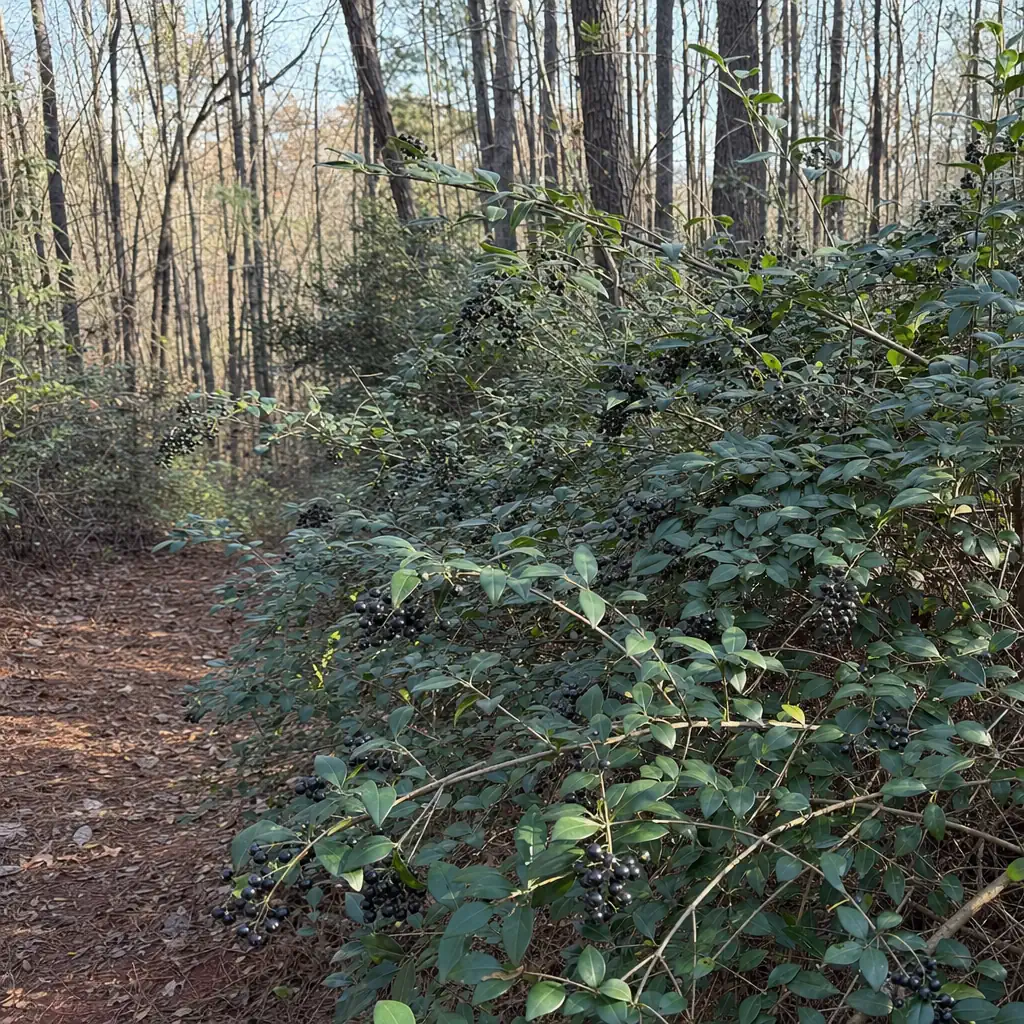
Take a fifty-acre tract up toward Dawsonville: a young pine stand nobody has thinned, older pines with brush coming up underneath, privet thick along the creek, and no firebreaks anywhere. That’s four kinds of work, and they don’t all sit on one program’s list. A landowner with that tract has a real question about which program pays for what.
How one tract splits across programs
| Work on the land | Program | Practice it lists |
|---|---|---|
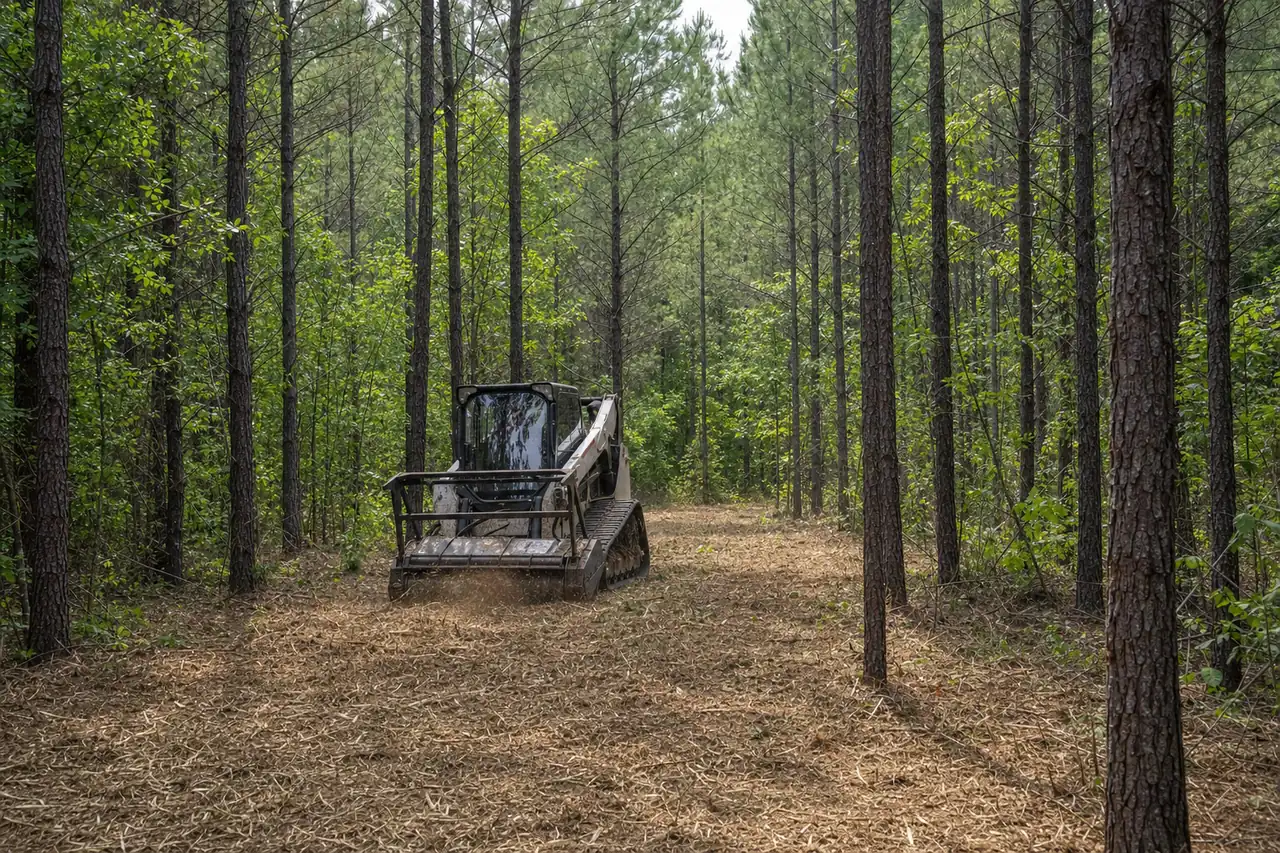
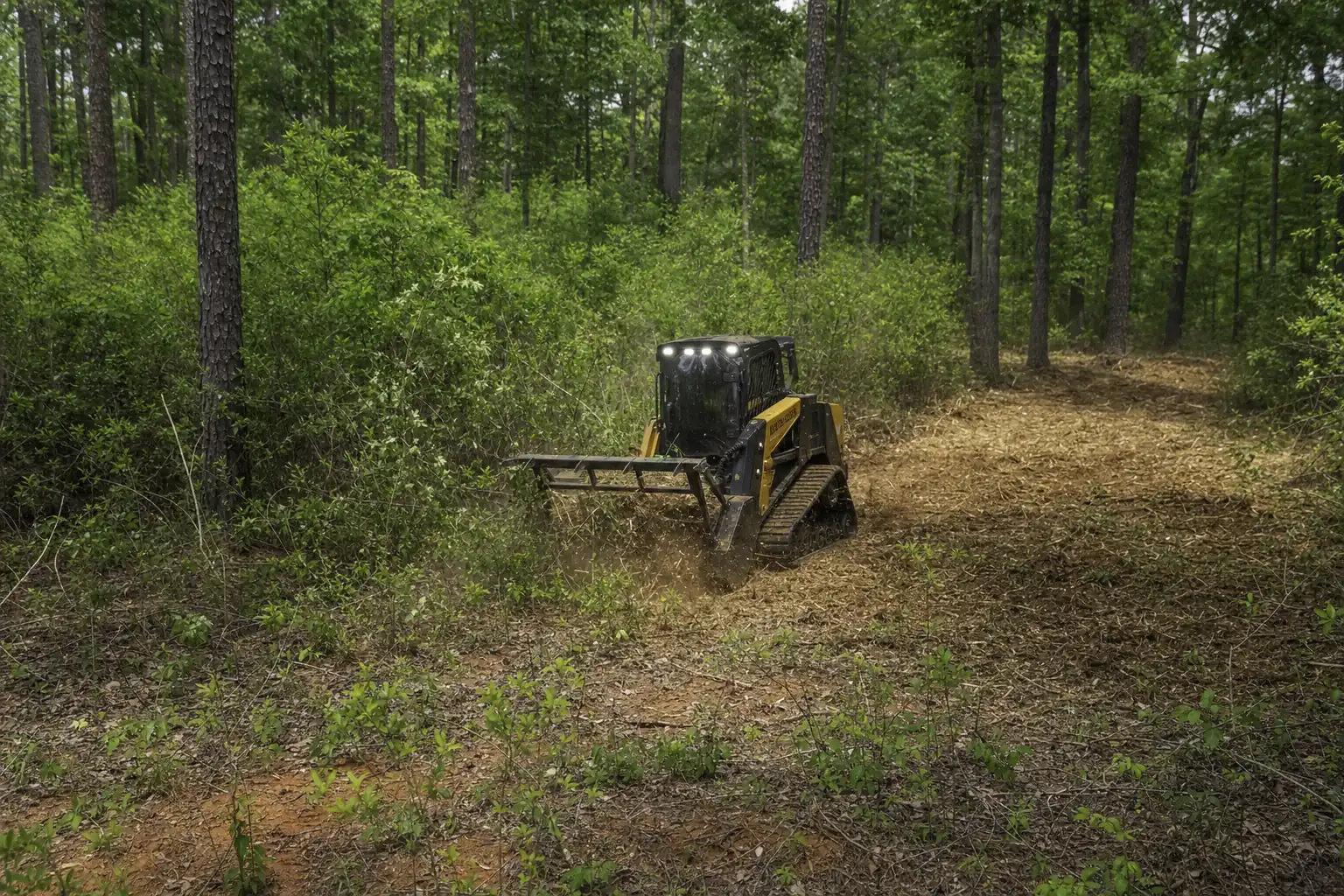
| Brush under older pines | Resilient Forest Incentives Program | Understory mulching |
| Crowded young pines | Resilient Forest Incentives Program, Southern Pine Beetle Prevention Program, EQIP | Non-commercial thinning; Forest Stand Improvement |
| Privet along the creek | Invasive Plant Control Program | Mechanical treatment combined with herbicide |
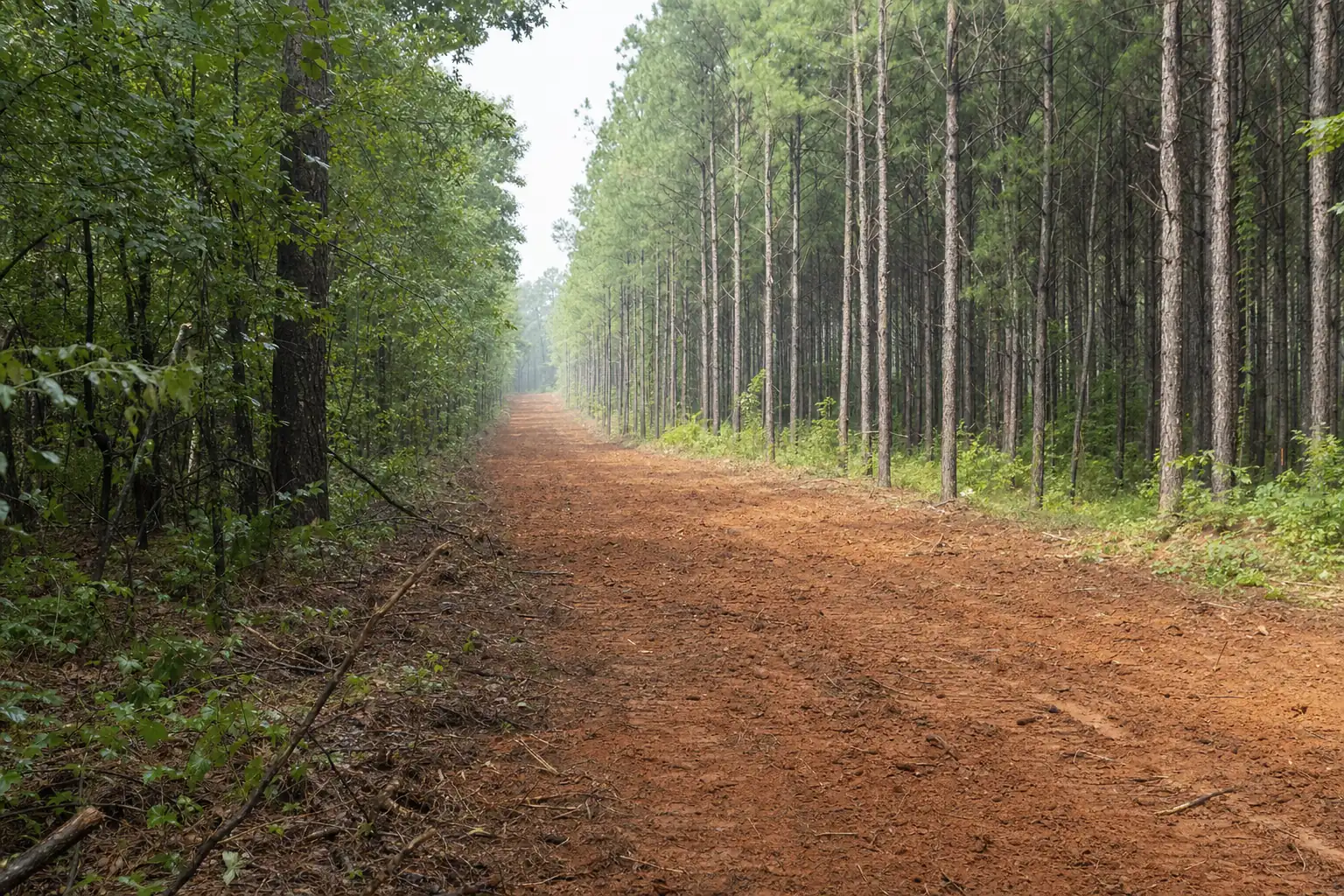
| Lines around the stands | EQIP | Firebreak |
| A cut-over tract after harvest | Resilient Forest Incentives Program, EQIP | Site preparation; Tree and Shrub Site Preparation |
Program figures and sign-up windows are set annually and are current as of November 4, 2026. We confirm every figure with the Georgia Forestry Commission or NRCS before any application. This page explains how programs work; it is not a guarantee of eligibility or reimbursement.
The table describes which practices each program lists. It doesn’t say your job fits; the program office decides that. Thinning shows up on three lists, and that’s where the overlap questions start. We confirm current figures and rules with the program offices before any application.
The questions only the offices can answer
The rules on combining programs belong to the programs, and they can change. Take these to the Georgia Forestry Commission and your USDA Service Center before you plan around more than one:
- Can I be enrolled in more than one program at once?
- Can the same acres count under two programs, or does each acre go to one?
- If thinning is on more than one list, which program should those acres go to?
- How does the Invasive Plant Control Program’s per-landowner cap work alongside the other programs?
- What records does each program want, and in what form?
Write the answers down with the date and the name of the person you spoke to.
Different programs, different calendars
Using more than one program means keeping more than one calendar. The Resilient Forest Incentives Program window runs June 15 to July 3. The Invasive Plant Control Program and the beetle program set their own dates. EQIP takes applications through the year and groups them by batching deadlines. A plan that draws on two programs may file twice, months apart, and the work for each follows its own acceptance.
We lay the work out by program and by stand, so the thinning for one program and the privet work for another can be scheduled in the right order. See sign-up dates.
Where a forester helps
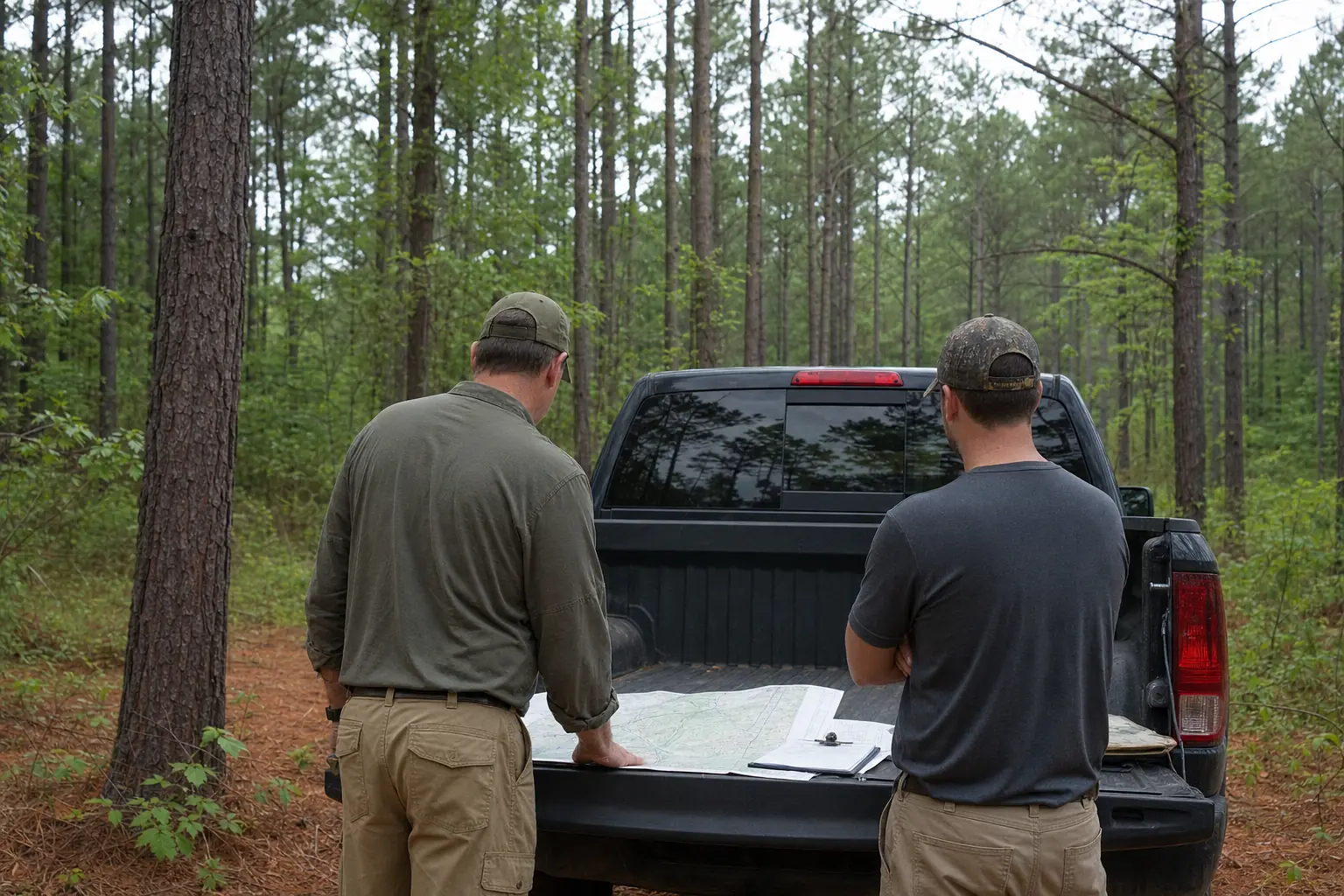
On a tract with several stands and several programs in play, a consulting forester’s management plan saves a lot of guessing. The forester maps each stand, writes what it needs and when, and marks the trees. With that plan in hand, sorting the work by program is a matter of reading it against each program’s list, and the program offices see one consistent picture of the property.
A forester also knows the sequence a stand needs. Thinning before a burn, firebreaks before the burn season, privet treated before it seeds into the thinned ground. We work to the forester’s marks and keep the streamside zones flagged. See working with a consulting forester.
Why separate records matter
When two programs touch one property, a lump-sum invoice can sink a claim. If the office asks which acres were thinned under which program, “forestry work, 50 acres” doesn’t answer it. Our invoices list each practice on its own line, with acres or feet, dates and a map of where the work happened, plus before-and-after photos. Whatever the offices decide about overlap, the records show it.
Several programs, one contract
A tract like the one above needs a mulcher, a thinning crew, a dozer or disk for bare-soil firebreaks, and licensed applicators for the privet. A single-machine operator does one of those and tells you to hire three companies, which turns two program files into a coordination job. We run the whole plan on one contract, with one point of contact. You apply as the landowner to each program. We do the work and keep itemized records by practice for each claim.
Mulched and thinned ground sprouts hardwoods within a season or two, and privet seedlings show up the year after treatment, so the plan should include follow-up and mowing on the lines. Each program has its own guide on the cost-share hub.
FAQ
More about combining programs
- Can the same acres be paid by two programs?
- Ask the program offices before you plan on it. The rules on overlap are theirs and can differ by program and by year. We keep the work mapped by stand and itemized by practice, so the records fit whatever the offices decide.
- Do I file one application or several?
- Each program has its own application. The state programs go through the Georgia Forestry Commission, and EQIP goes through your local USDA Service Center. We keep the scope in each application matched to the work on our quote.
- Is combining programs worth it on a small tract?
- Usually the minimums decide that for you. A tract under ten acres falls outside the state forest incentives program, and a privet patch under three acres falls outside the invasive program. On larger tracts, more than one program often fits.