
Straight answer · 3 min read
Can a Mulched Field Become Pasture or Lawn?
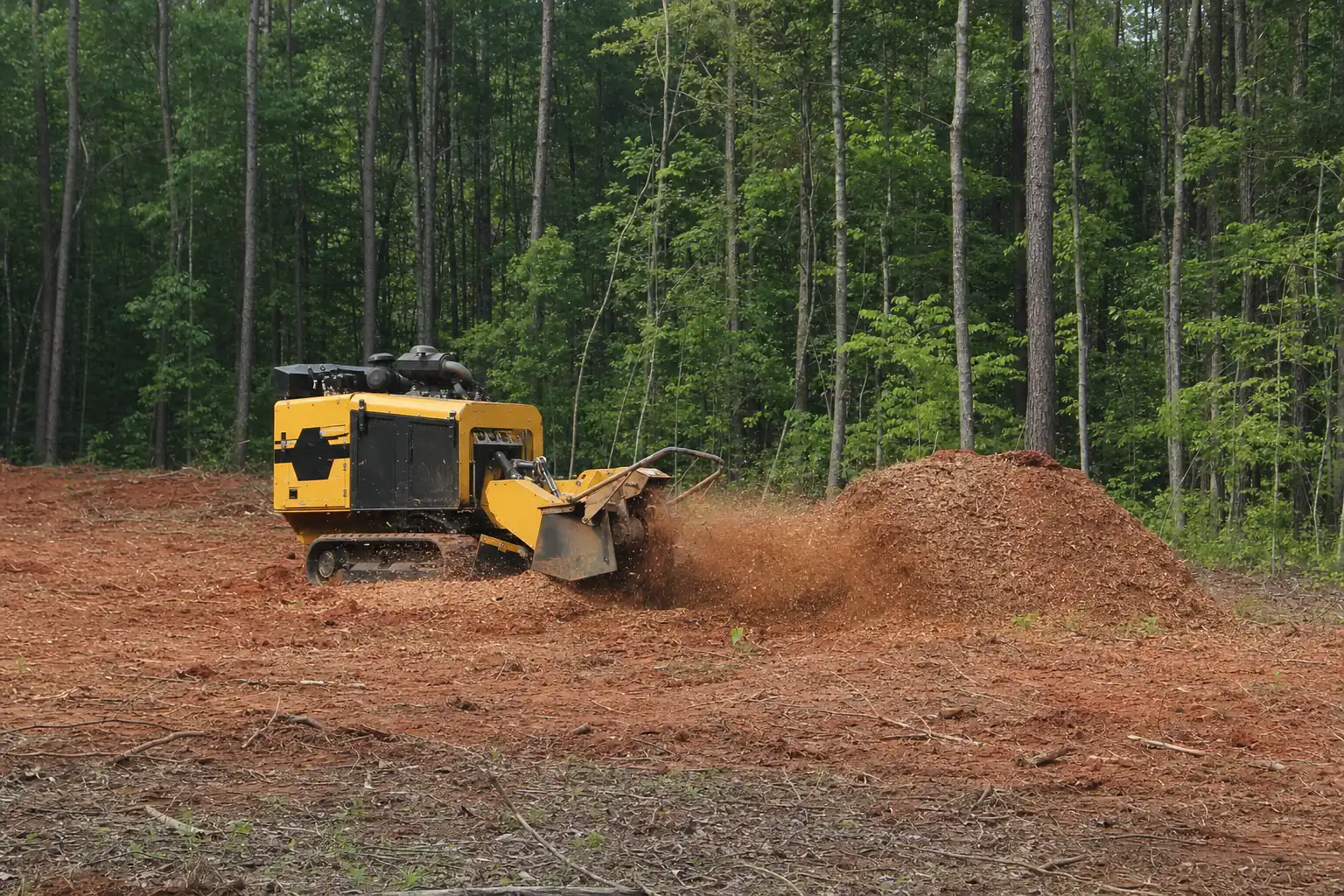
Yes, with finishing work after the mulcher. Around Cumming, Sawnee Land Clearing grinds stumps below grade where grass goes, at about $100 to $400 a stump, thins the chips so seed reaches the clay, and grades where the ground needs it. Rough pasture needs the least. A smooth lawn needs the most, sometimes with the chips hauled off.
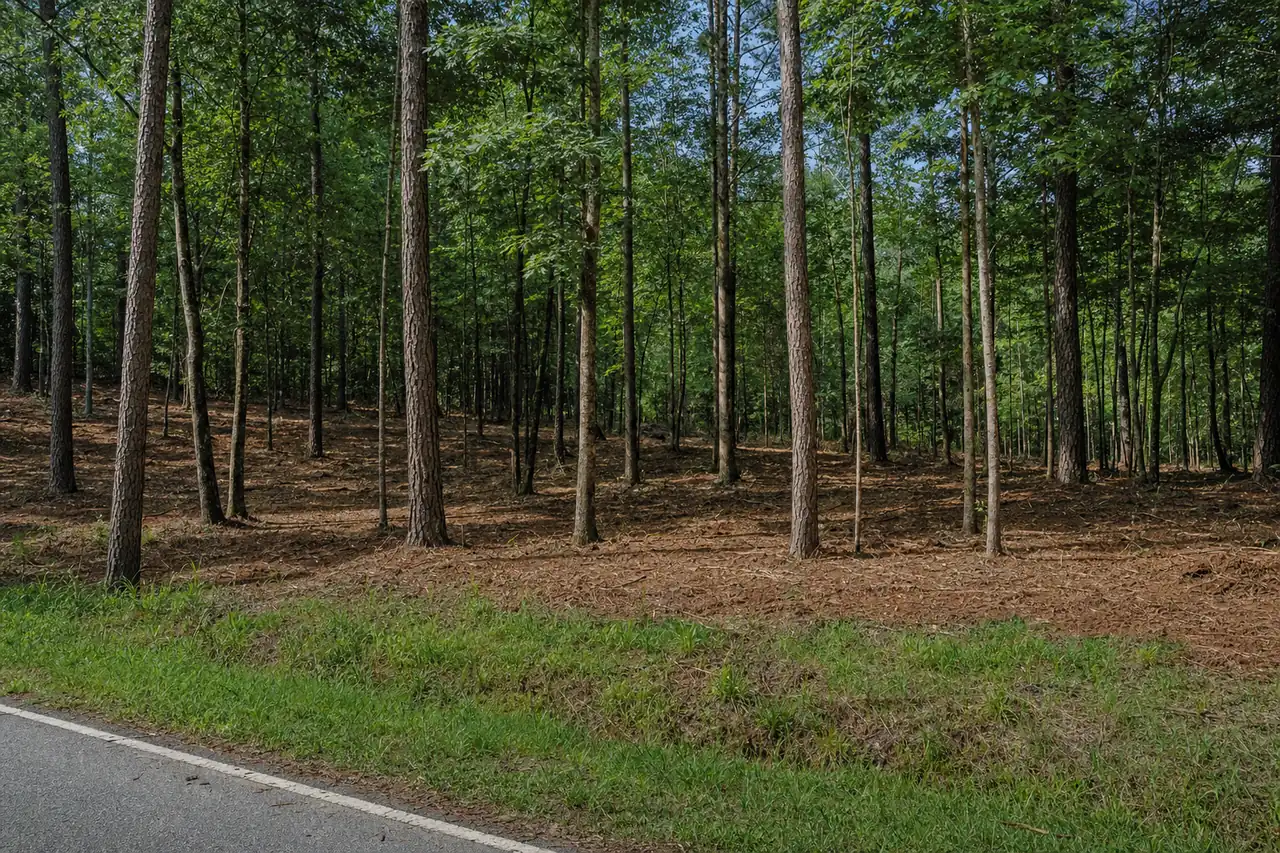
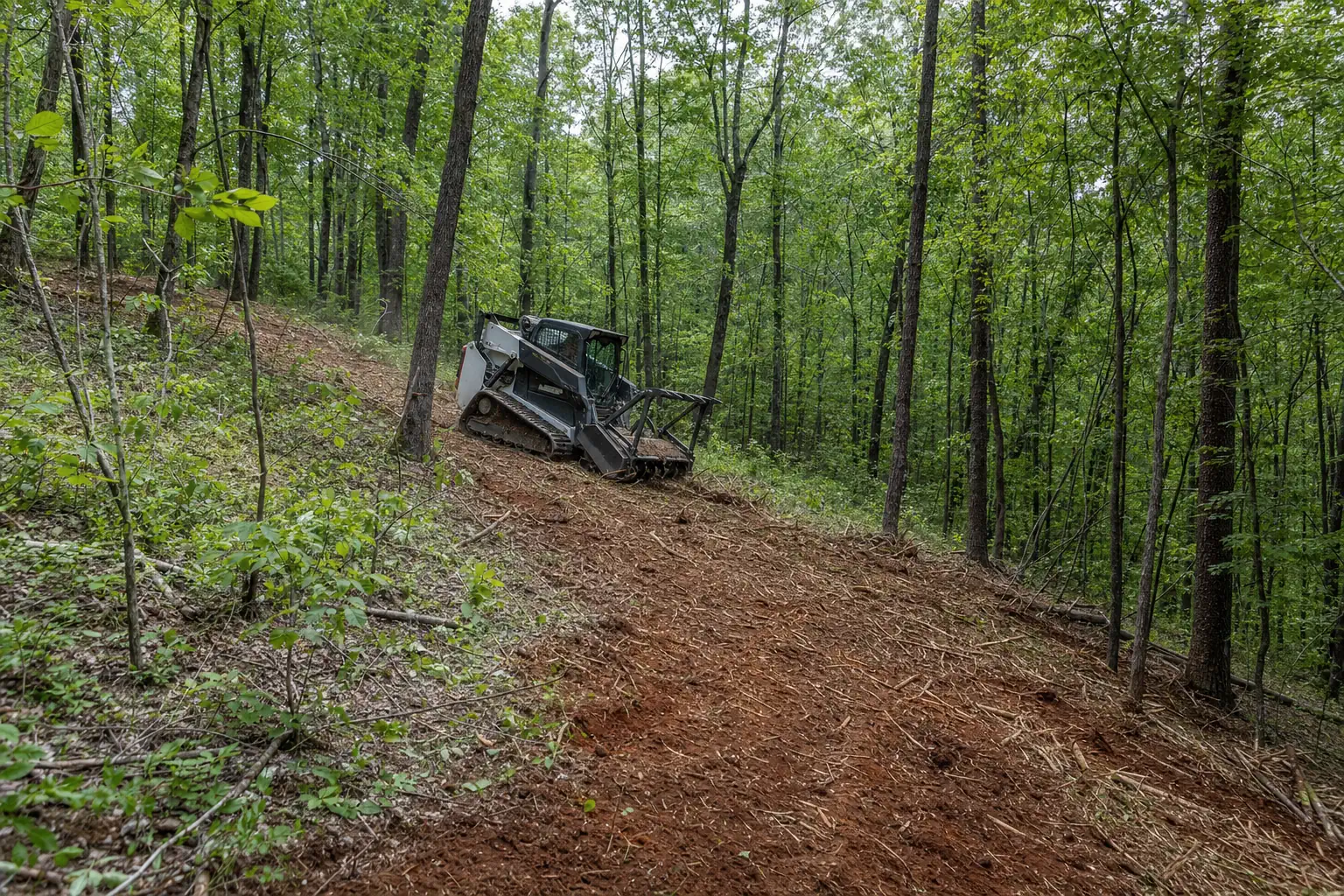
Forestry mulching is often the first step toward grass. Old pasture around Cumming that went to sweetgum, pine saplings and privet comes back to open ground in one pass of the mulcher. Getting from open ground to a field you can graze, cut for hay or mow as a lawn takes a few more steps, and the further you go toward a smooth lawn, the more of them you need. Decide what the field becomes before the machine shows up, because that choice sets the chip size, the stump work and the price.
Pasture, hay field or lawn
| Rough pasture | Hay field | Lawn | |
|---|---|---|---|
| Stumps | At grade is often fine | Below grade so equipment can cross | Below grade everywhere |
| Chips | Finer chip, thinner layer | Thinned or worked in | Raked off or hauled |
| Grading | Rarely | Where ruts or gullies cross the field | Smoothed and graded to drain |
| Seed | Lime and seed where soil shows | Lime and seed across the field | Lime, seed and straw, or sod |
What the finishing costs
- $100 to $400
- Each stump ground below grade
- $1,200 to $3,500
- Grading, per acre
- $500 to $2,500
- Hauling chips off, per acre
- $500 to $1,200
- Silt fence, per acre where needed
Ranges are estimates for Forsyth County and the surrounding area based on job density, terrain, access and acreage. Your written quote is the only price that applies to your property.
Those sit on top of the mulching itself, which runs $1,200 to $2,500 an acre for light brush and saplings and more for bigger trees. Rough pasture usually needs only the stumps where you’ll mow and a seeding finish. A lawn can use every line on the list. We price each piece on the same written quote so you can drop what you don’t need.
The order of work
- 1Mulch with a seeding finishFiner chips, a thinner layer and keepers flagged.
- 2Stumps and gradeStumps ground below grade where grass goes, low spots and ruts graded.
- 3Lime and seedLime the clay and give it time to work before seed goes in.
- 4Cover and mowStraw on slopes, then mowing to keep sprouts out of the new grass.
Ask for the seeding finish before the mulcher starts. Fine chips take more passes than a rough mulch for woods, and it is cheaper to make them on the first pass than to fix a thick, coarse layer later. Mulch depth and seeding covers the chip layer in detail, and stump grinding, grading and pad prep covers the finishing work.
Where these projects go wrong
- Seed on a thick mat. Seed scattered over deep chips sits on wood, dries out and fails. The bare patches fill with weeds instead.
- Stumps left at grade under a finish mower. A bush hog rides over them. A lawn tractor’s deck catches on every one.
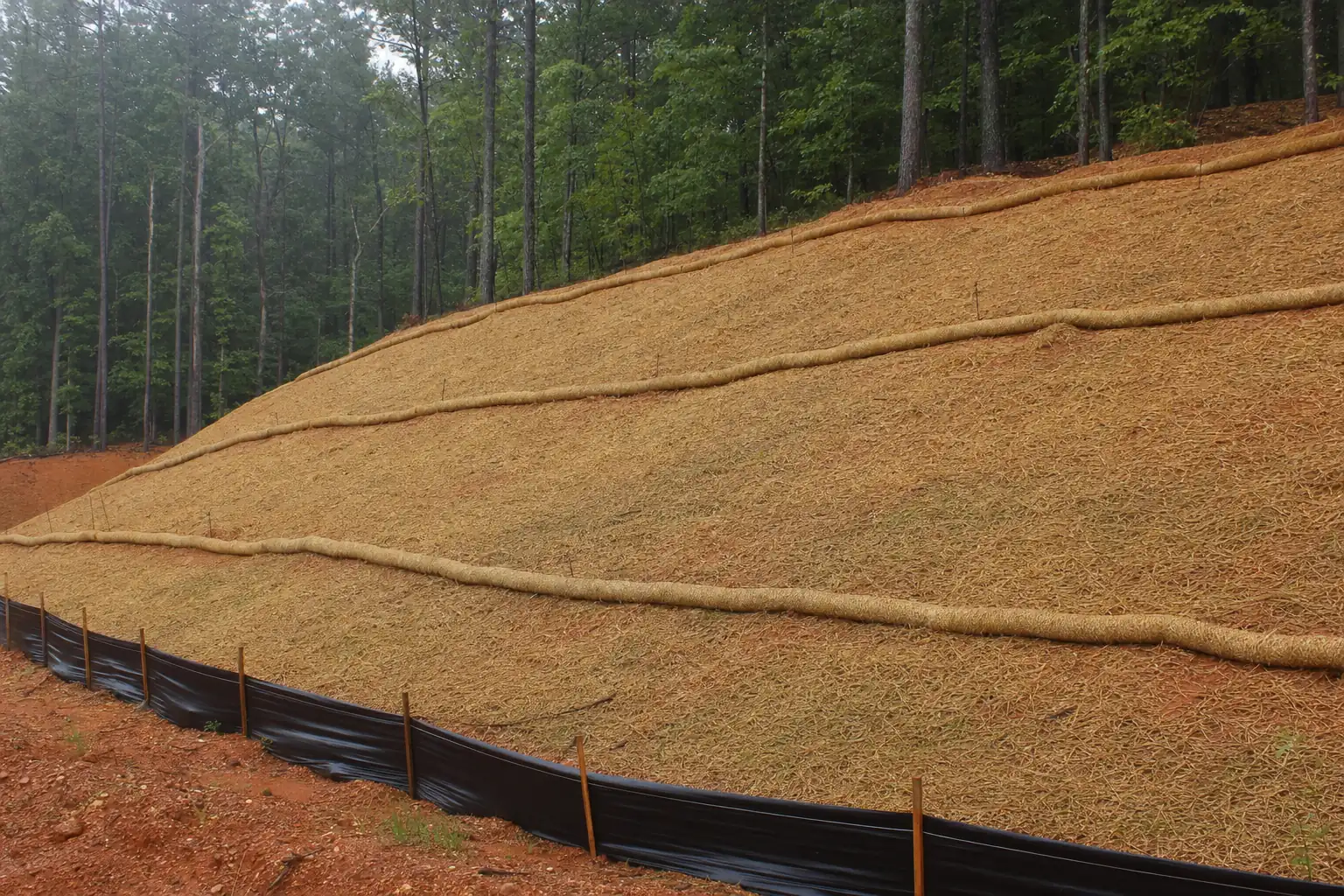
- Bare slope with no straw. The first hard rain carries seed and red clay downhill, sometimes into the creek at the bottom.
- No mowing the first year. Sprouts outgrow the new grass, and in a few seasons the field is saplings again.
Grading and the county permit
Mulching leaves the soil in place. Grading moves it, and Forsyth County treats that as land disturbance. Projects under one acre and more than 200 feet from state waters are exempt. Grade an acre or more, or near a creek, and the site needs a land disturbance permit, with a $250 clearing and grubbing fee, an approved erosion plan and silt fence before work starts.
Permit thresholds, fees and buffer widths are those published by Forsyth County and the State of Georgia as of November 4, 2026. Confirm current requirements with the issuing authority before work begins. This is not legal advice.
Most pasture jobs grade only the worst spots, well under an acre. We measure on the walk. More in permits to clear land in Forsyth County.
Keeping the trees out of the grass
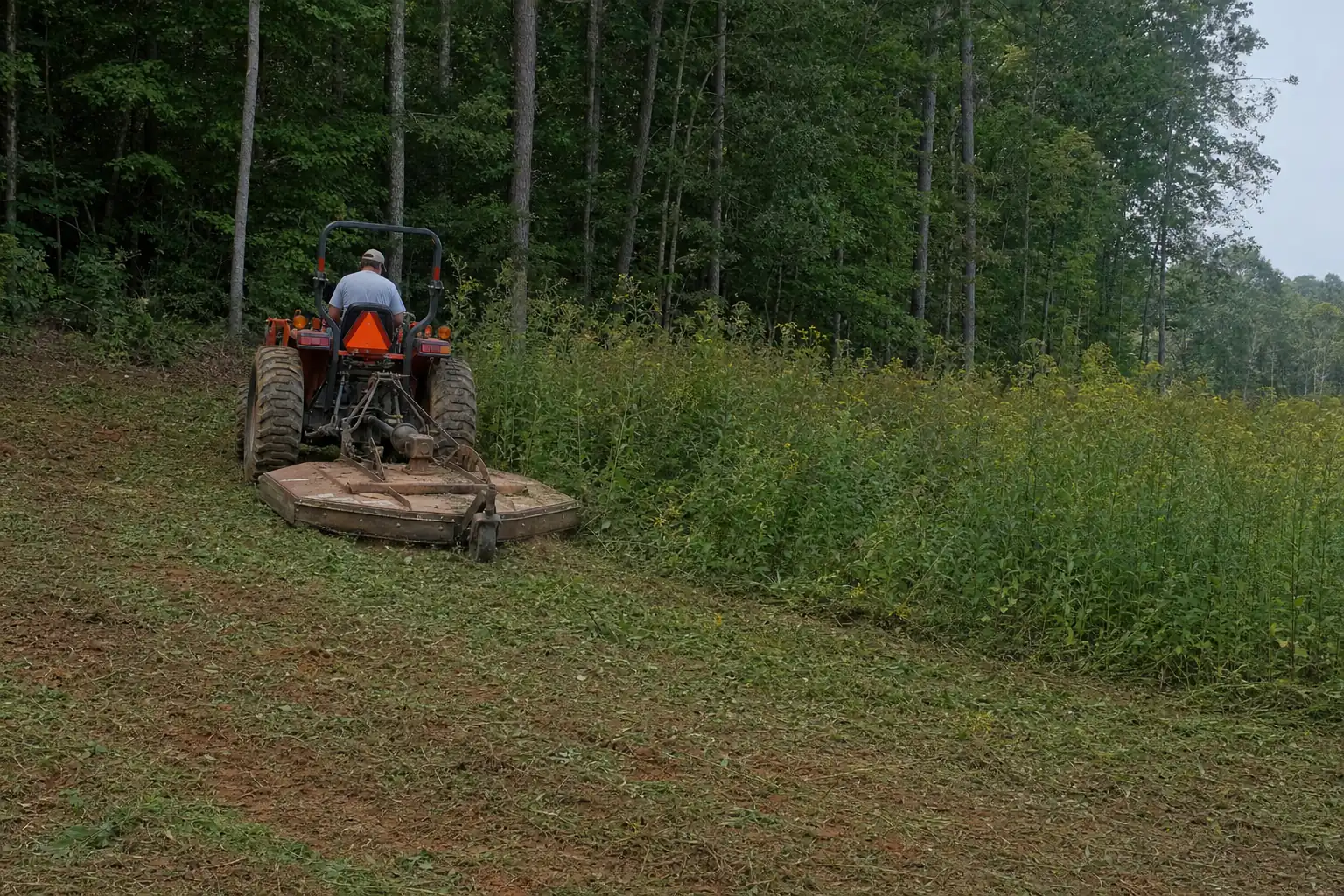
The roots of the mulched hardwoods stay alive. Sweetgum, maple, oak and privet send sprouts up through the new grass the first spring. Grazing helps, and bush hogging once or twice a year does the rest. Privet outlasts mowing and needs a treatment by licensed applicators following the label.
Herbicide applications are performed by licensed applicators in accordance with the product label.
The same steps bring back an old horse pasture. Reclaiming a horse pasture walks through one. The forestry mulching page covers the first pass.
FAQ
More about pasture and lawn after mulching
- Can I seed right over the mulch?
- Where the chips are thin and soil shows, yes. Where they lie thick, seed sits on wood and most of it fails. Thin, rake or work in the chips on any area that has to come in as grass.
- Will the trees come back in my new pasture?
- Hardwood sprouts will try. Sweetgum, maple, oak and privet resprout from the roots after mulching. Mowing once or twice a year, plus grazing, keeps them down, and privet needs a treatment by licensed applicators.
- Do I need a permit to grade a field?
- Grading an acre or more, or any ground within 200 feet of state waters, generally needs a Forsyth County land disturbance permit. The clearing and grubbing fee is $250. We measure the graded area on the walk.
- How soon can horses graze a mulched field?
- Once new grass is established, which depends on the season you seed and the weather. Keep stock off newly seeded clay until the stand holds, especially on slope.
Keep reading