
Straight answer · 3 min read
How Often Should Cleared Land Be Bush Hogged?
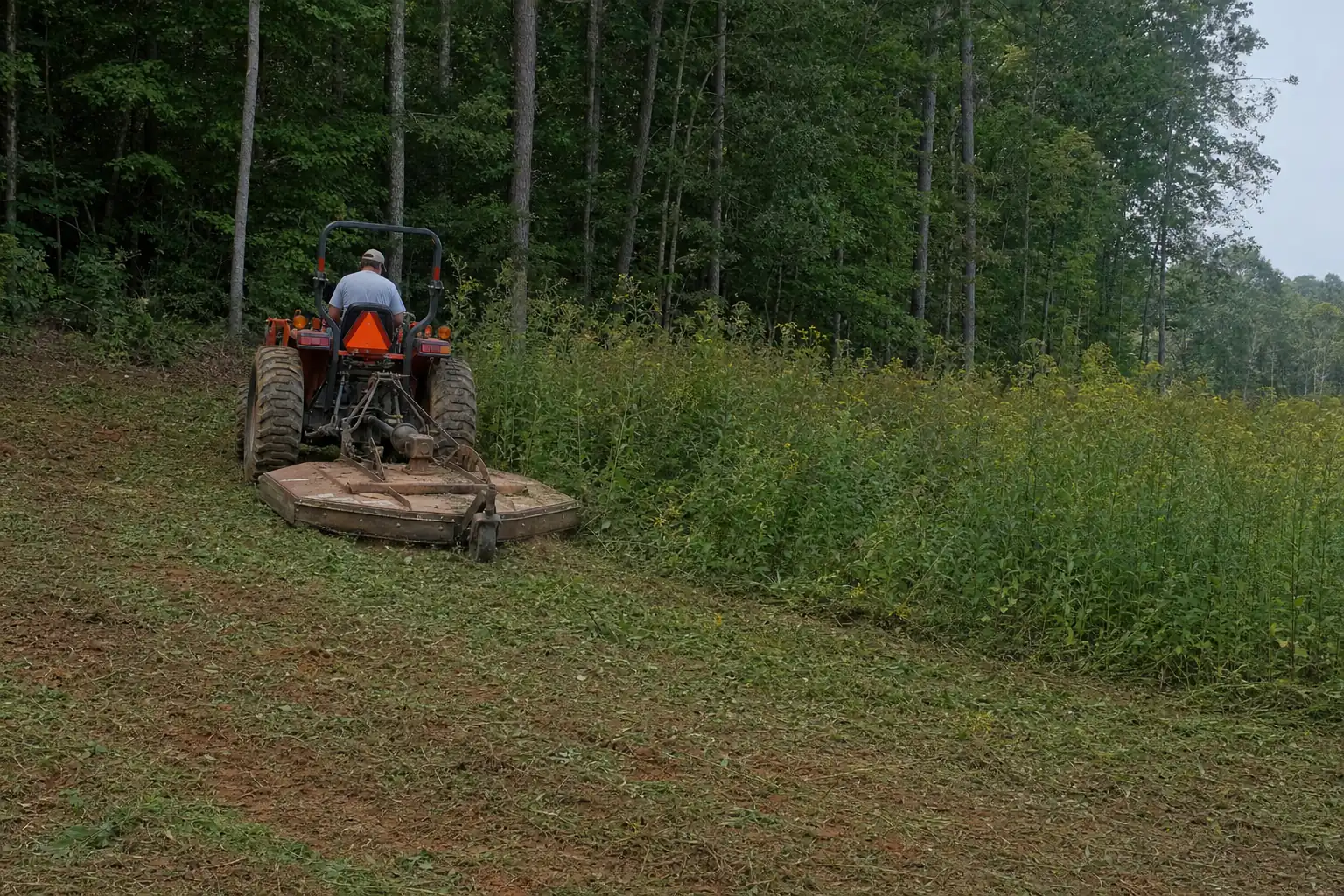
Once or twice a year for most cleared land around Cumming. Sawnee Land Clearing sets a summer cut to take sprouts down before they harden into wood, and a second fall cut where the ground grows back fast. Fields with privet also get a dormant-season treatment by licensed applicators, because mowing alone won't stop it.
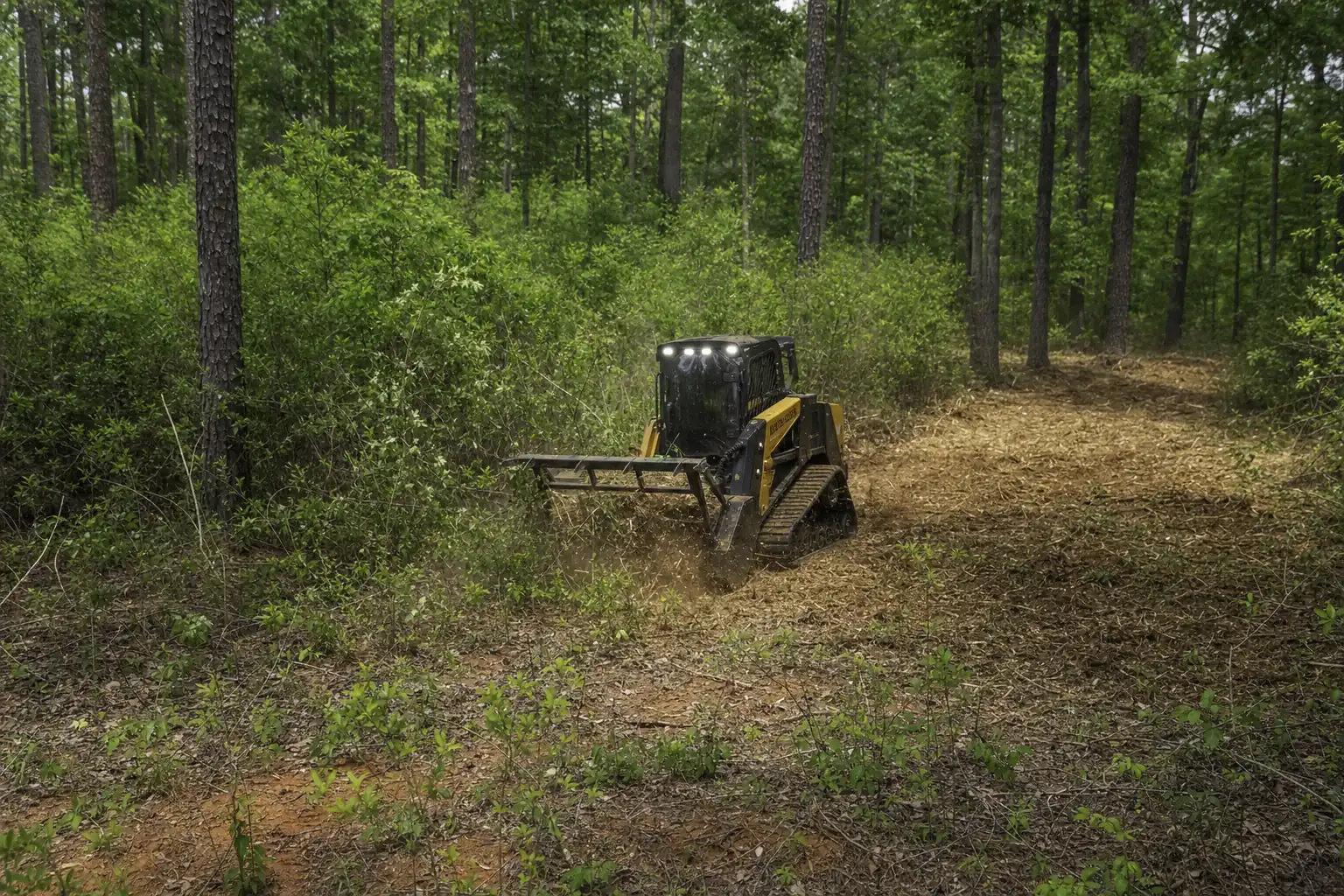
Clearing land in North Georgia doesn’t stop it from growing. A forestry mulcher grinds brush and trees to the ground and leaves the roots alive, and sweetgum, maple, oak and privet sprout back the first spring. Mowing decides whether that regrowth stays soft stubble or turns back into woods.
How many cuts your land needs
| Ground | Cuts a year | Timing |
|---|---|---|
| Freshly mulched hardwood ground | Two | Summer and fall, for the first years |
| Old pasture with sprouts and briars | One or two | Summer, plus fall if growth is fast |
| Mulched pine ground | One | Summer; cut pines don’t resprout |
| Food plot edges and lanes | One or more | Set around planting and before the season |
| Trails, fence lines, firebreaks | One | Enough to keep them passable and working |
| Ground with privet | Mowing plus a treatment | Treatment November to February |
Herbicide applications are performed by licensed applicators in accordance with the product label.
Privet resprouts from the roots every time it’s cut, so mowing keeps it short and nothing more. A dormant-season treatment of the regrowth, applied by licensed applicators following the label, is what gets ahead of it. Spraying after mulching covers the timing.
A year on a cleared tract
- 1First springHardwood, privet and briar sprouts come up through the mulch.
- 2Summer cutSprouts and briars cut back before they harden into wood.
- 3Fall cutA second pass where growth is fast, plus plot edges and trails.
- 4WinterPrivet treated in the dormant season and next year's visits set.
The summer cut matters most. A first-year sprout is soft and a bush hog takes it down in one pass. Let it go a few seasons and the same sprout is a sapling a rotary cutter can’t handle, and the land needs the forestry mulcher again. A field left five years without a cut goes back on the mulcher’s schedule, at the mulching price, and the money spent on the first clearing is gone.
Why the count drops over time
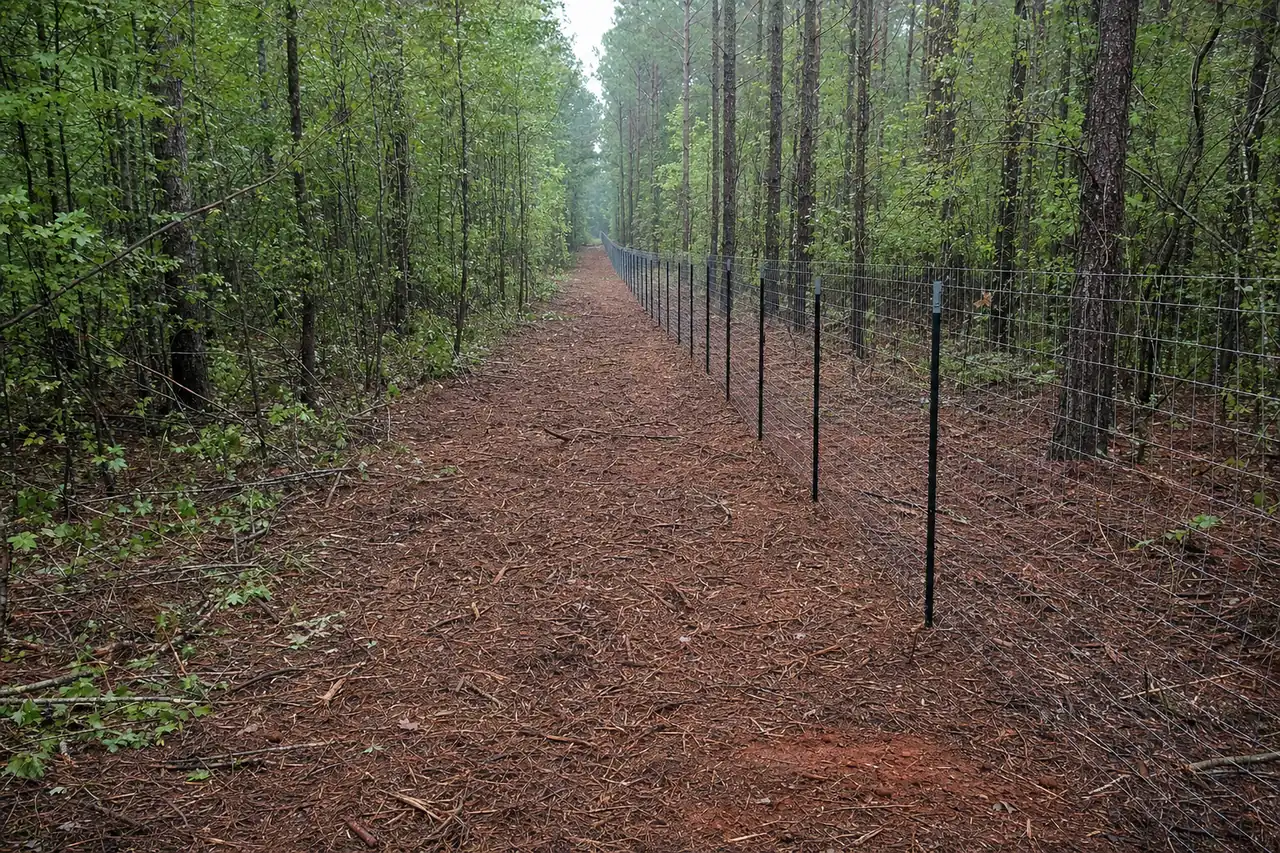
Landowners commonly report that hardwood sprouts weaken after a few seasons of steady mowing, while grass fills in between them. We set the visit count each winter from how fast your ground grew back the year before, so two cuts can become one once the field settles. Our research didn’t find a published schedule for how fast that happens on Piedmont ground, which is why we set it year by year instead of promising a number.
What decides the timing
- Wet clay. A tractor on soaked red clay leaves ruts. We move visits to dry weeks.
- Hunting season. Plot edges, lanes and trails get mowed before the season opens and around planting. See food plot and hunting land clearing.
- Nesting birds. On request, we schedule cuts around nesting season in field edges and brush.
- Showing day. Land going on the market gets cut ahead of listing photos. See land-for-sale preparation.
Before the first cut
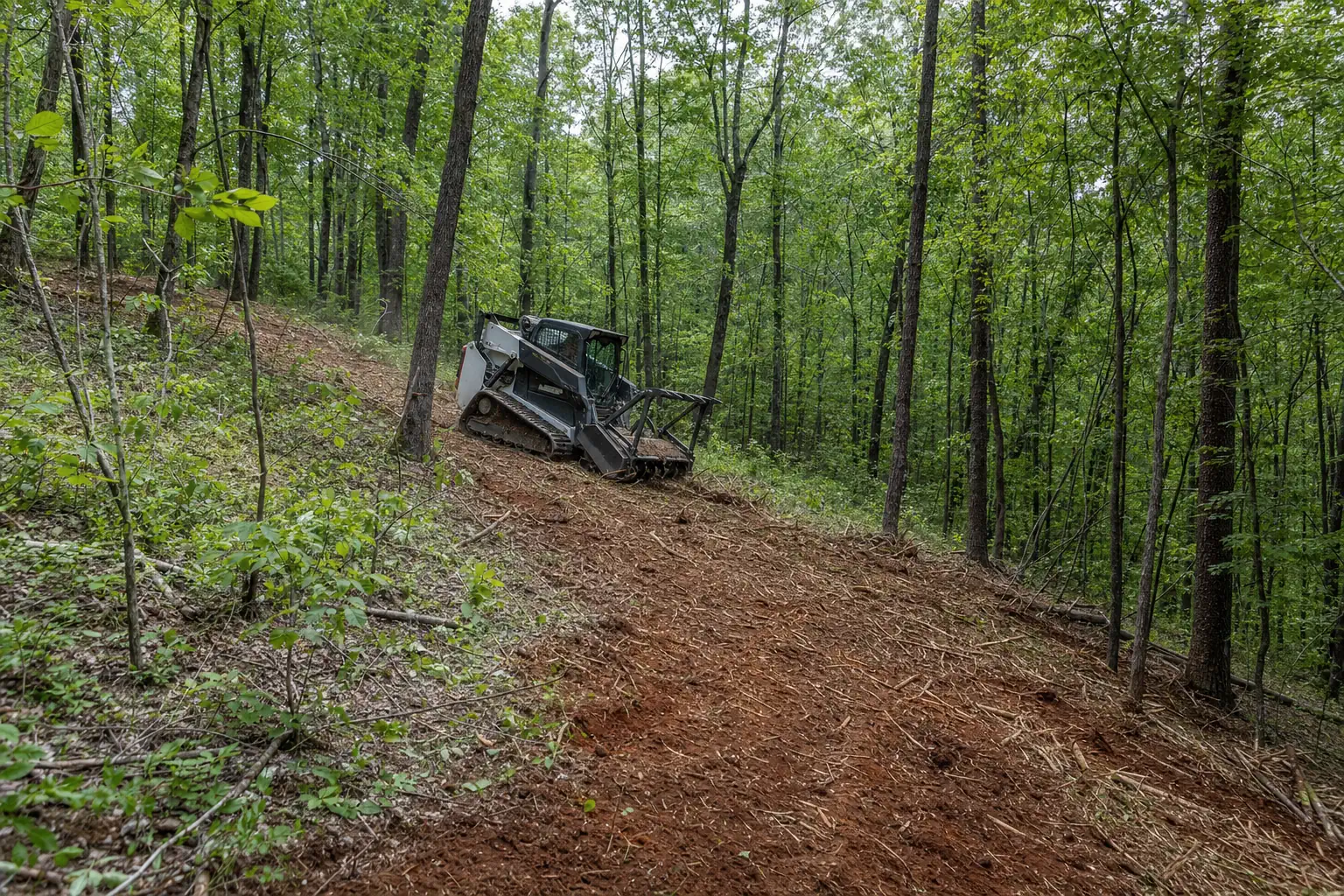
A tractor and rotary cutter don’t see what’s under tall growth. Before the first visit we walk the property and map the fields, trails, fence lines and firebreaks that get mowed, and mark wet spots, ditches, old wire and any stumps left above grade. Steep banks toward a creek get noted too, since they slow the tractor and some are better left in cover. That map goes on every visit, so the cut is the same whether you’re there or three states away.
Setting it up once
Most owners call when a field is already head-high. An annual bush hogging and maintenance mowing arrangement puts your property on the calendar with the visits, the areas and the price agreed before the first cut. Mowing is quoted per visit after we walk the ground, since acreage, slope, stumps and time since the last cut all change the work.
We map what gets mowed, check for privet on every visit and send photos if you live out of town. If the land has gone too woody for a bush hog, the first pass is mulching, priced from $1,200 to $2,500 an acre for light brush and saplings. Mulching or bush hogging explains which one your land needs.
Ranges are estimates for Forsyth County and the surrounding area based on job density, terrain, access and acreage. Your written quote is the only price that applies to your property.
FAQ
More about mowing cleared land
- What happens if I skip a year?
- The sprouts keep growing and start to harden into wood. One missed year usually still mows. Skip several and the field fills with saplings past a bush hog, and it needs the forestry mulcher again at the mulching price.
- Can I mow less once the land settles down?
- Often, yes. We set the visit count each winter from how fast the ground grew back the year before. Land that was dense hardwood tends to need two cuts longer than old pine ground.
- Do you mow when the ground is wet?
- No. A tractor on soaked red clay leaves ruts. We move the visit to a dry week, which is easy on an annual schedule because the window is wide.
- Can you avoid mowing during nesting season?
- On request, yes. Many native birds nest in field edges and brush. We can schedule the cuts around it when you ask.
Keep reading