Straight answer · 3 min read
Will Privet Come Back After Clearing?
Yes, if the roots aren't treated. Mulched or cut privet resprouts from the roots by the next spring, and seed in the soil keeps sprouting for a while after. Two herbicide treatments on the regrowth clear most stands. In a North Georgia Forest Service study, mulching plus herbicide held re-infestation to about 7 percent after five years.
Landowners usually ask this after paying for a clearing job and seeing green shoots across the ground the next April. That flush of sprouts is normal, and it’s the most predictable thing privet does. What decides the next five years is whether anyone treats it.
Where the comeback comes from
Privet returns from three sources, on three different schedules. A plan that handles only one of them loses ground to the other two.
| Source | When it shows | What handles it |
|---|---|---|
| Live roots | The first spring after cutting or mulching | Two herbicide treatments on the regrowth |
| Seed in the soil | The year after treatment and for a few seasons more | A winter walk and spot treatment |
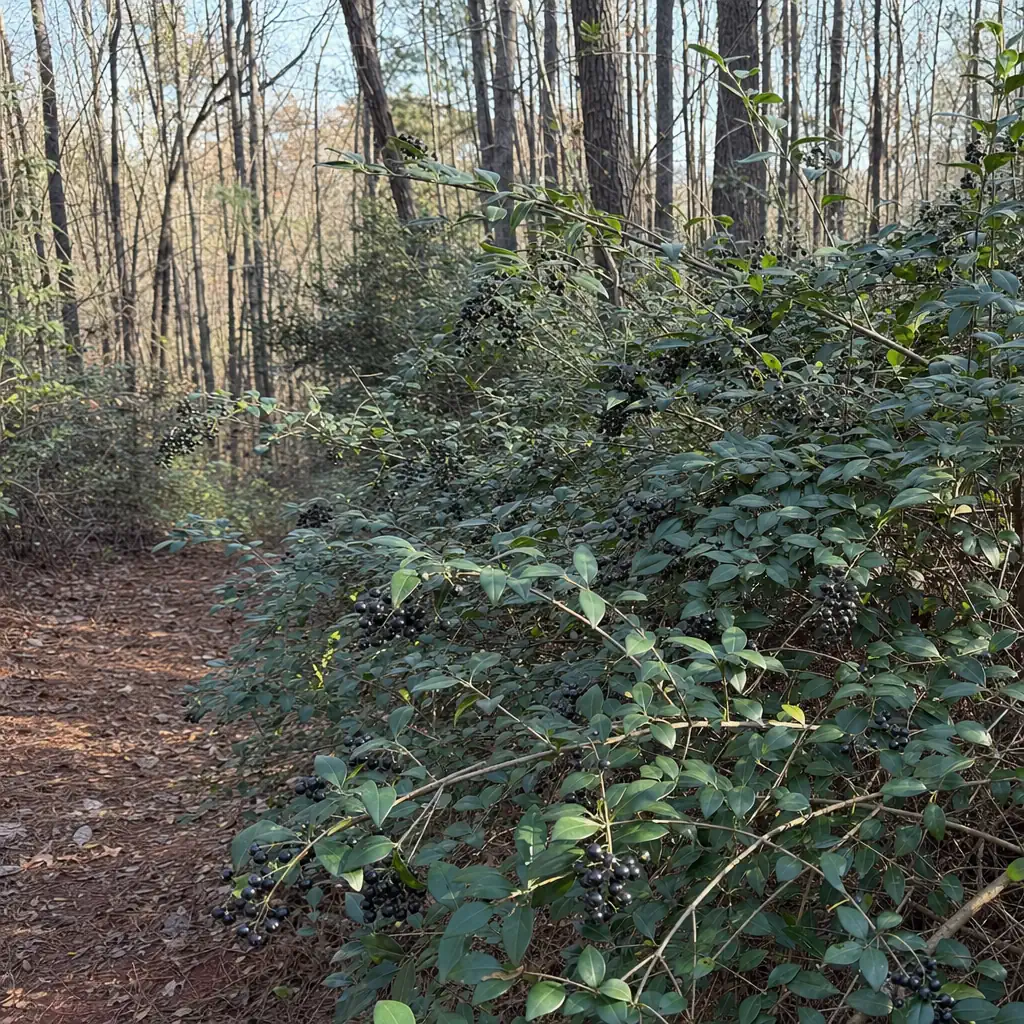
| Birds carrying berries | Every year, along fences and field edges | Checking the edges, and talking to the neighbor |
The roots are the big one. Alabama Extension notes that brush mulching leaves the roots, so sprouting is close to certain, and that you should expect seedlings the year after treatment too.
What the first spring looks like
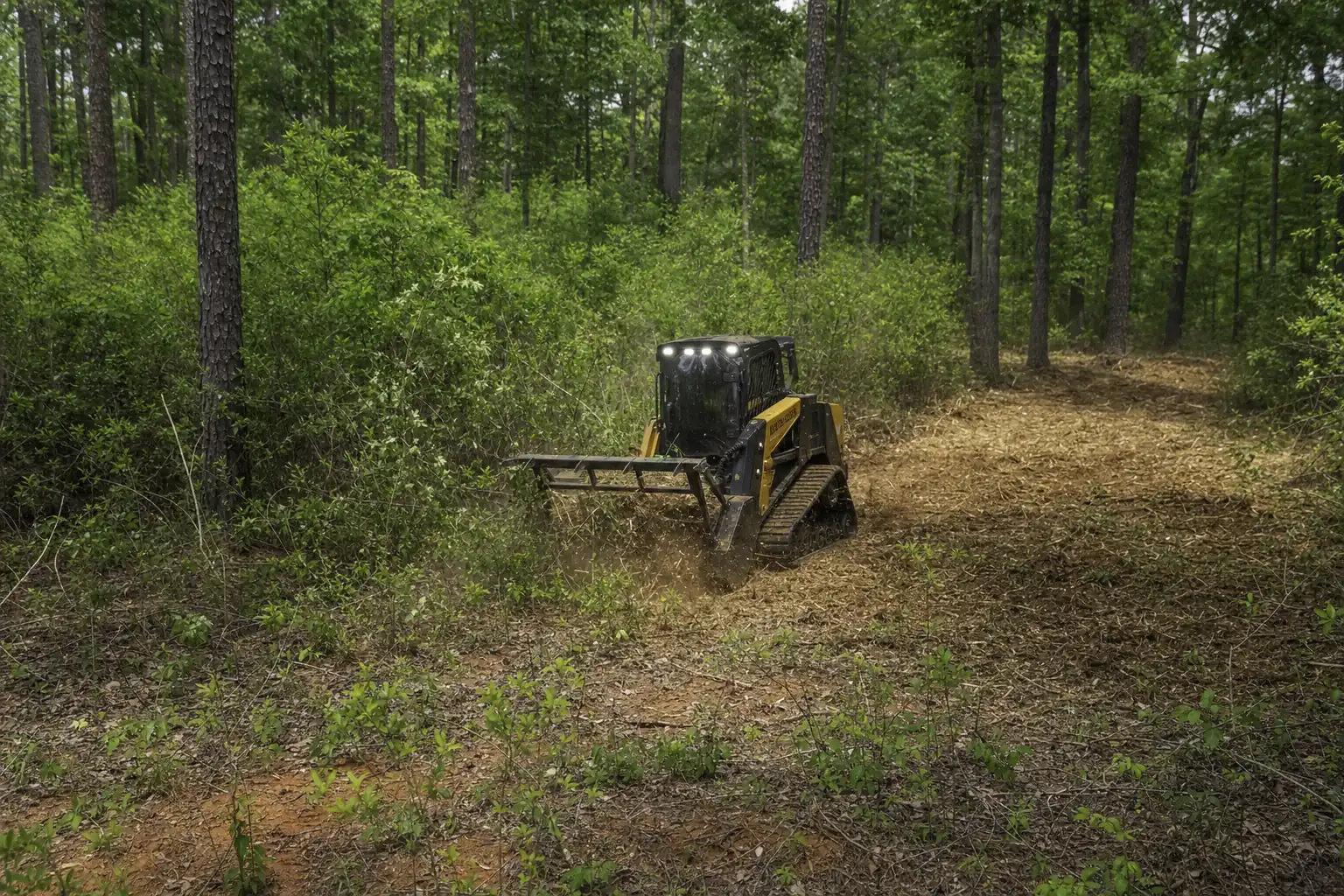
After a forestry mulcher clears a thicket, the roots push up new stems across the whole area by the next growing season. UGA Extension notes that this regrowth comes up uniform, all one age and one height. It looks like a setback. It’s the best shot you’ll get at the privet, because an applicator can reach every stem of it, which was impossible in the old thicket.
If nobody treats it, the regrowth becomes a thicket again within a few years. That’s how so many tracts around Cumming end up cleared two and three times.
The odds after treatment
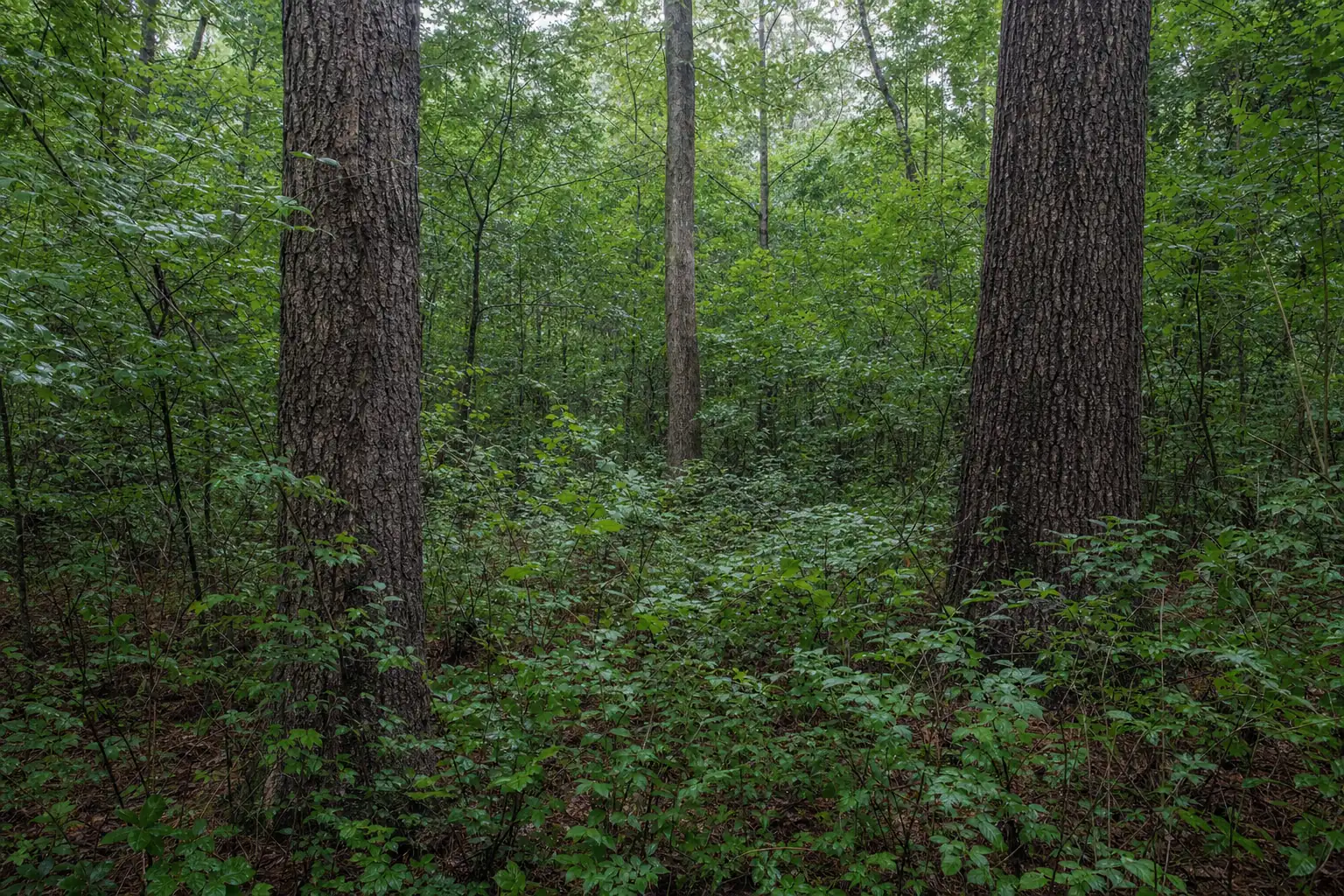
With the regrowth treated, the picture changes. Forest Service researchers mulched privet in North Georgia creek bottoms, treated the regrowth with herbicide and checked the plots five years later.
- About 7%
- Privet re-infestation five years after mulching plus herbicide
- 70% vs 20%
- Native plant cover on treated plots against untreated ones
- 2
- Treatments that clear most privet stands
Herbicide applications are performed by licensed applicators in accordance with the product label.
About 7 percent re-infestation is a small number of plants, and it’s why we plan for walk-throughs after the main treatments. Georgia’s forestry guide on invasive plants says that two treatments can eradicate most privet stands, with follow-up for suckers and seedlings.
What keeps it from coming back
- 1Treat the regrowthLicensed applicators treat the first flush, ideally late fall or winter.
- 2Treat it againThe second round catches survivors, suckers and the first seedlings.
- 3Walk it each winterPrivet seedlings are the green thing under bare hardwoods.
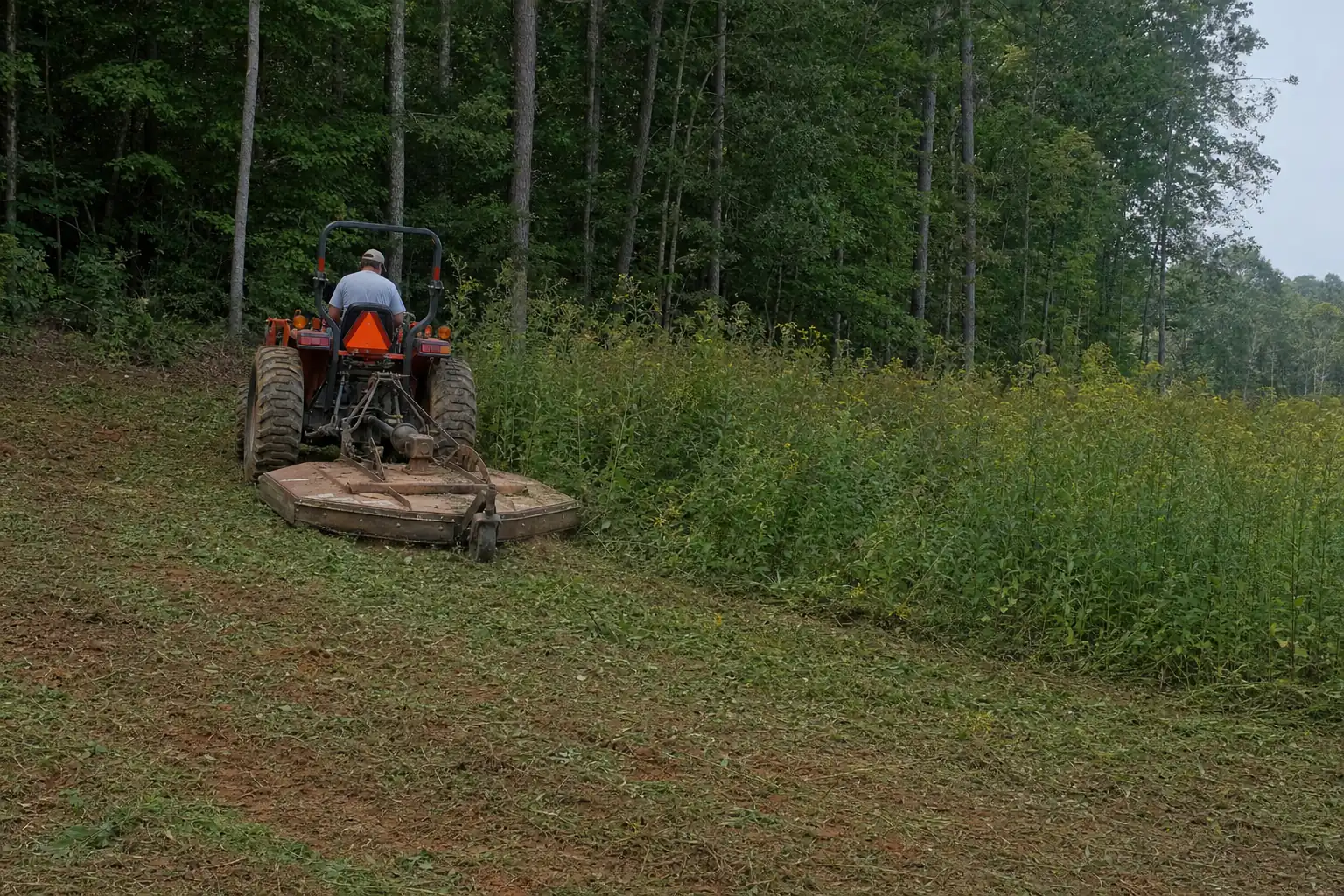
- 4Mow the open groundOnce or twice a year, against sweetgum and briars.
The edges matter more than people expect. If the neighbor’s fence row is solid privet, birds will keep seeding your side. We check property lines and fence rows on every visit, and the timing is laid out in herbicide follow-up after clearing.
Already cleared, and it’s back
If someone mulched or bush hogged your privet a year or two ago and it’s coming back, you’re not starting over. How far it has grown decides the next step.
- Sprouts under waist height. Skip the machine. The regrowth is already even and reachable, so it goes straight to treatment in the next late fall or winter window.
- Grown back over your head. The sprayer can’t reach the middle anymore. A second mulching pass resets it, and this time the treatments follow.
- Mixed. Mulch the tall patches, treat the short ones, and put both on one calendar.
Either way, send photos before anyone cuts again. Cutting a second time without a treatment plan behind it buys one more clean season and nothing else.
Other regrowth after clearing
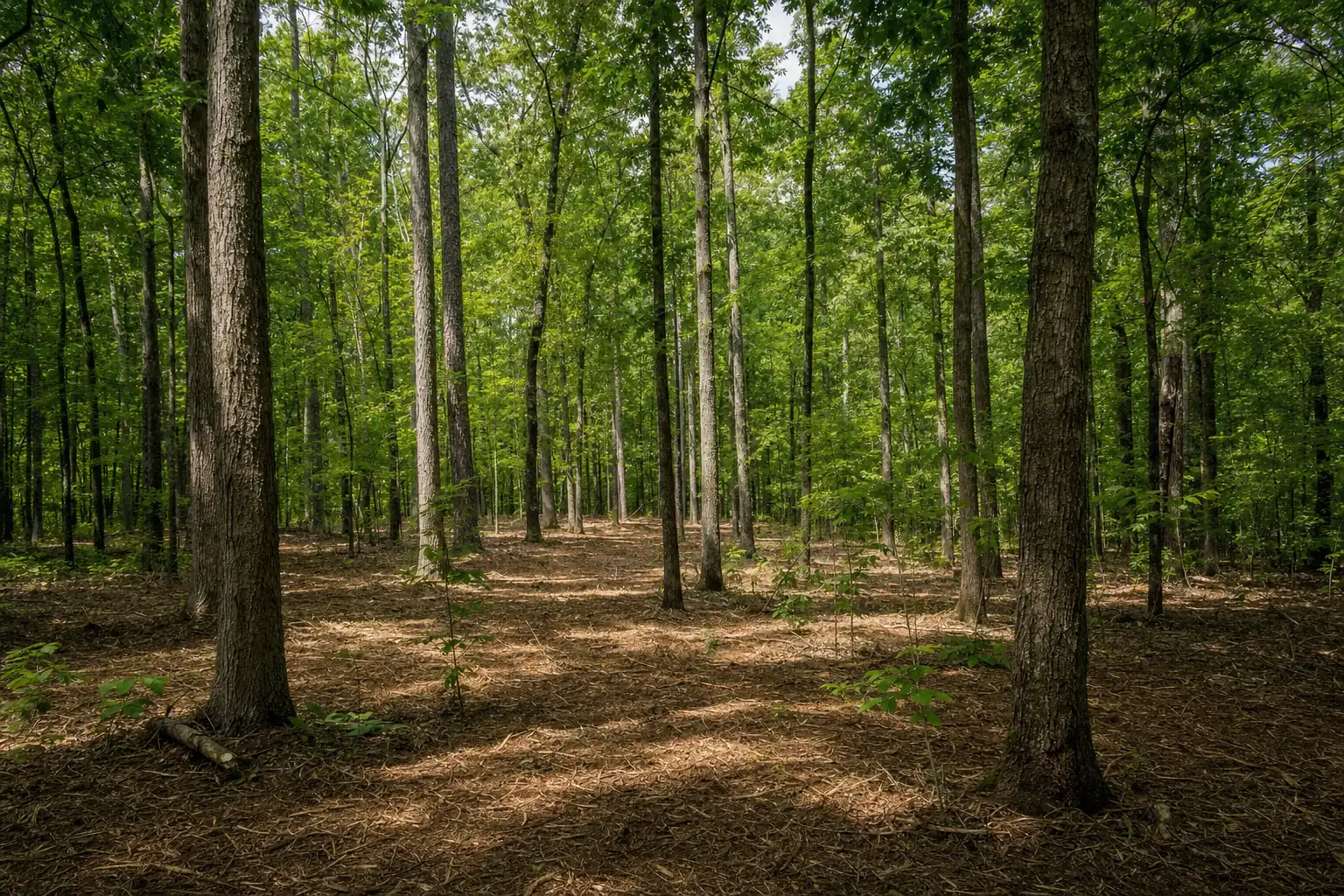
Clearing of any kind brings regrowth. Sweetgum, maple and oak resprout from their roots after mulching, and briars move into the sunlight. Cut pines don’t come back. Once the privet roots are dead, mowing once or twice a year keeps the ground open, and we set that up as maintenance mowing on the same contract. See which trees resprout after mulching for the rest.
The full plan is on the Chinese privet removal page and the invasive plant removal hub. The mulching pass usually runs about $1,200 to $2,500 an acre for privet, brush and saplings around Cumming, with treatments quoted on top.
Ranges are estimates for Forsyth County and the surrounding area based on job density, terrain, access and acreage. Your written quote is the only price that applies to your property.
FAQ
More about privet regrowth
- How fast does privet grow back after mulching?
- The roots send up new stems the next growing season, across the whole mulched area. Left untreated, that regrowth turns back into a thicket within a few years.
- Should I mow the privet sprouts?
- Not before the first treatment. The herbicide works through the leaves, so mowing the sprouts leaves nothing to treat. Mow the open ground once the privet roots are dead.
- Why do I see new privet years after treatment?
- Seed already in the soil and berries dropped by birds. Those seedlings are small and easy to spot-treat, and a winter walk finds them while they're the only green under the hardwoods.
- Does privet come back if I pull it out by the roots?
- Small seedlings pulled by hand with the root usually stay gone. On established privet, roots break and resprout, and pulling an acre of it isn't realistic. Treatment does the work on anything bigger than a seedling.