
Straight answer · 3 min read
Is Forestry Mulching Worth It?
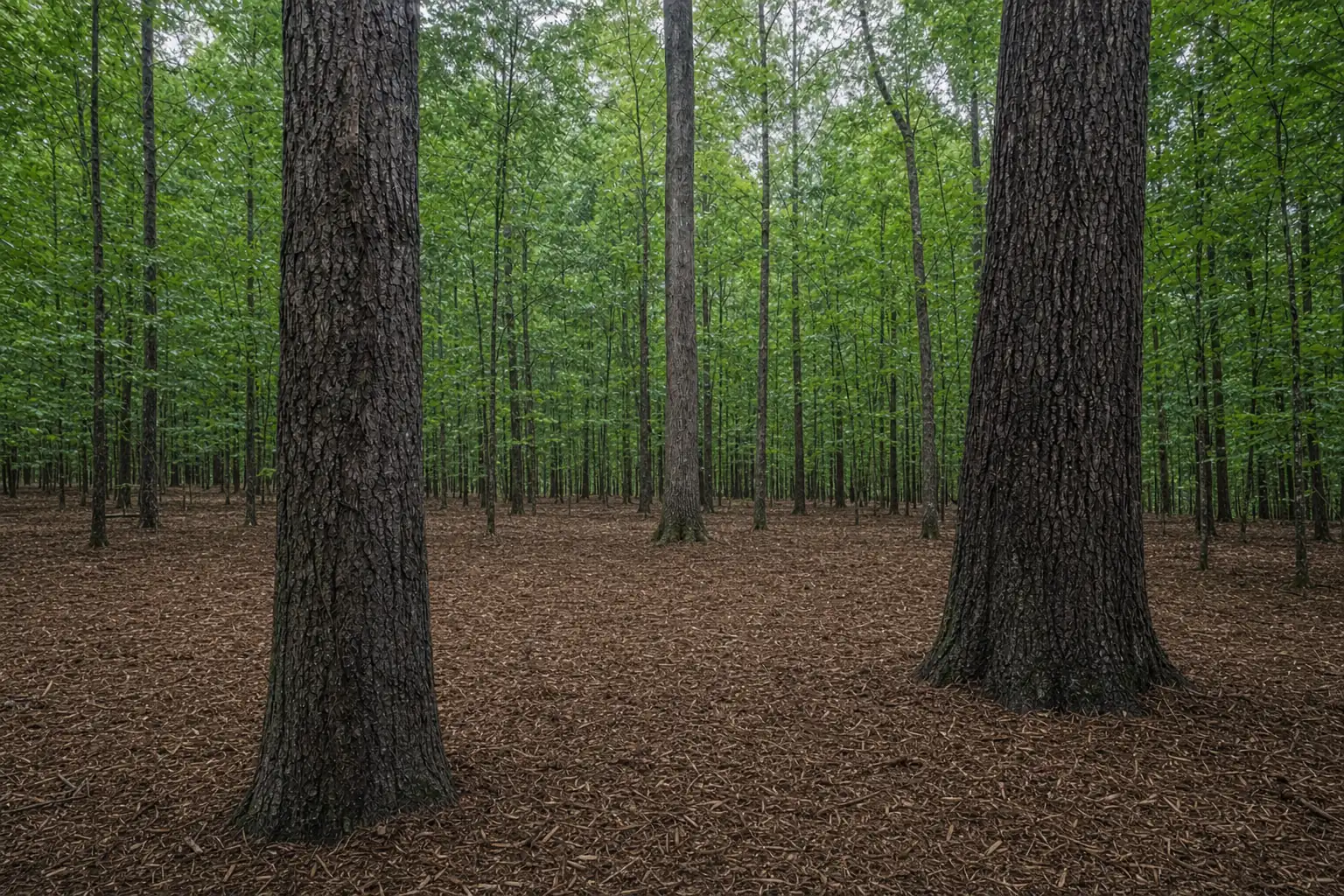
Usually, yes, for land that stays woods, pasture, trails or a view. Around Cumming, Sawnee Land Clearing mulches overgrown acreage for about $1,200 to $6,500 or more an acre with nothing hauled or burned, against $3,500 to $8,000 to clear, grub and haul. Under a building pad it isn't the right tool.
Worth it depends on what the land becomes. Mulching earns its price on ground that stays rooted and covered. It wastes money on ground that has to be dug up and graded bare anyway. Here is how to tell which kind of land you have, with the numbers we use around Cumming.
What you pay for each way of clearing
| Method | What’s left on the ground | Per acre |
|---|---|---|
| Forestry mulching | A chip layer, stumps at grade, topsoil and keepers in place | $1,200 to $6,500+ |
| Clear, grub and haul | Bare clay, stumps out, debris trucked away | $3,500 to $8,000 |
| Hauling debris on top of either | Brush and chips trucked off the site | $500 to $2,500 |
| Silt fence where a site needs it | Erosion control on bare or permitted ground | $500 to $1,200 |
Ranges are estimates for Forsyth County and the surrounding area based on job density, terrain, access and acreage. Your written quote is the only price that applies to your property.
Light brush and saplings sit at the low end of the mulching range, dense hardwood at the top. The full breakdown is in forestry mulching cost per acre.
Where mulching earns its price
- Nothing hauled, nothing burned. The debris becomes the chip layer. You skip trucking, and you skip Forsyth County’s burn rules, which ban land-clearing burns from May 1 to September 30.
- The clay stays covered. Chips soak up rain and slow runoff on slope. Bare red clay washes every time it storms, which is why a dozed site often needs silt fence and seed.
- The trees you want stay. The operator works around every flagged tree, and their roots stay in undisturbed ground.
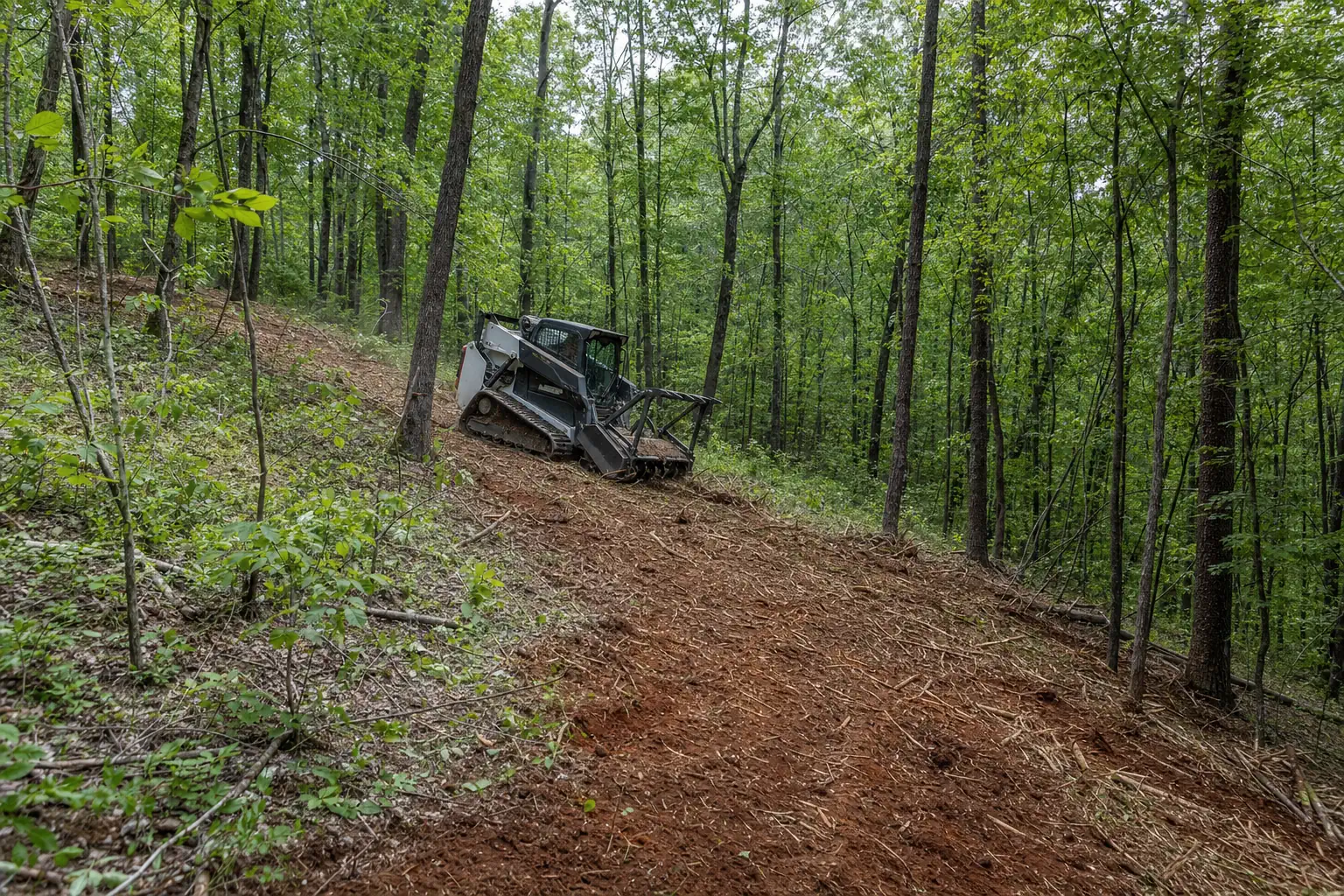
- Light machines. Tracked mulchers spread their weight and ride on the chips they lay down, so firm ground comes through without deep ruts.
- 1 to 3 acres
- Light growth one mulcher clears in a day
- About 8 in
- Largest trunk the mulcher takes standing
- May 1 to Sep 30
- No land-clearing burns in Forsyth County
Permit thresholds, fees and buffer widths are those published by Forsyth County and the State of Georgia as of November 4, 2026. Confirm current requirements with the issuing authority before work begins. This is not legal advice.
Speed matters on price too. One machine covering 1 to 3 acres of light growth a day means a few acres of overgrown pasture can be open within the week, weather allowing.
Where it isn’t worth it
Mulching is the wrong tool in a few places, and we say so on the walk:
- Under a slab or driveway. Stumps and roots there have to come out with an excavator. Mulching first and grubbing second pays for two jobs.
- Stands of big timber. Trees past 8 to 10 inches get felled first. If most of the stand is that size, a timber sale or a different crew may make more sense. See selling the timber.
- Ground that must be bare. A graded pad, a pond or a building site needs the topsoil moved anyway.
- A wet season. Saturated clay ruts under any tracked machine. Waiting a few dry days costs nothing; forcing the job costs you ruts.
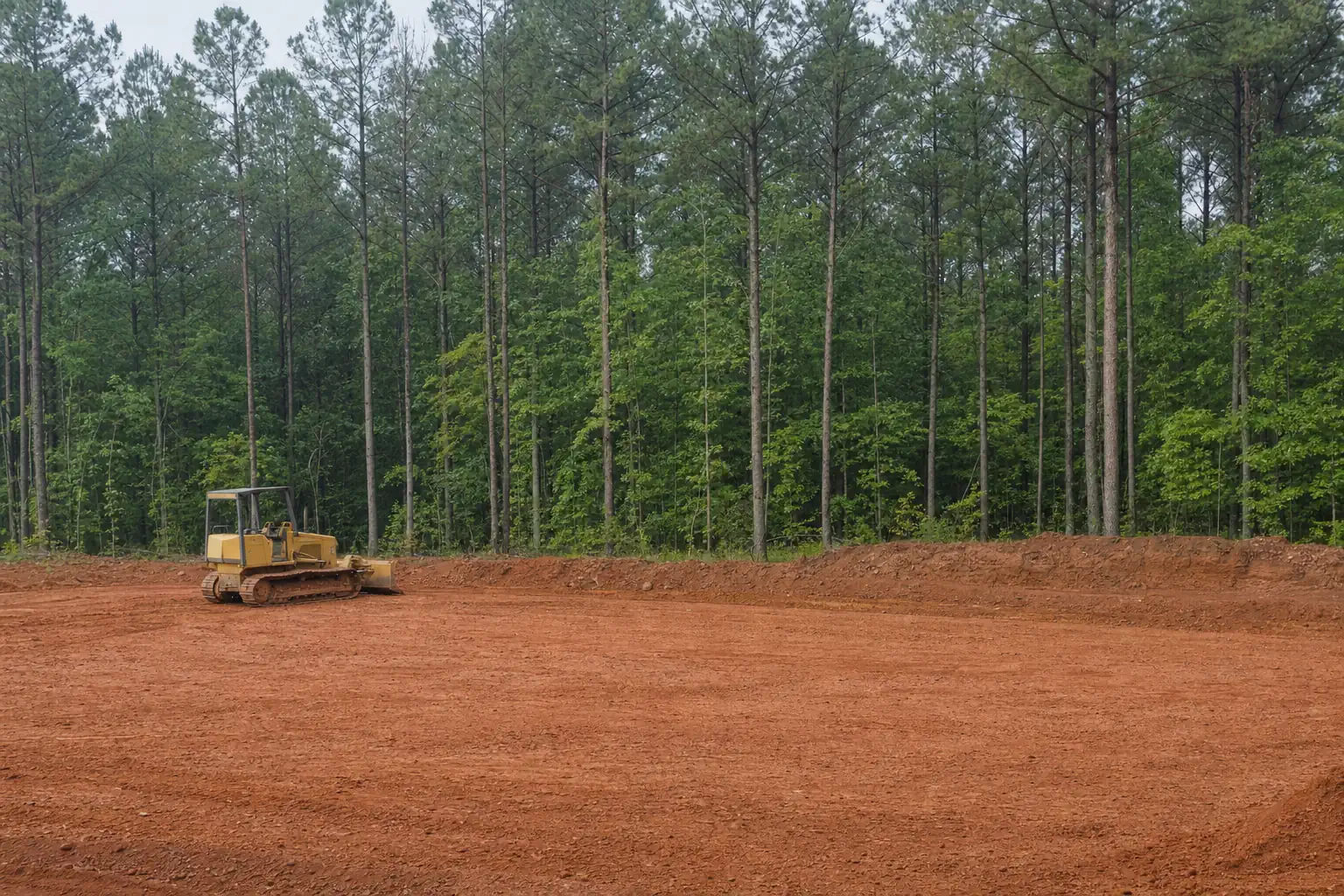
On most homesites the answer is both: excavator work under the house and drive, mulching on the rest of the lot. We run them on one contract. Mulching compared with bulldozing goes through it in more detail.
The cost after the first pass
Mulching leaves the roots alive. Sweetgum, maple, oak and privet sprout back the first spring; cut pines don’t. Count the upkeep when you weigh the price: bush hogging once or twice a year keeps the ground open, and privet needs treating by licensed applicators following the label.
Herbicide applications are performed by licensed applicators in accordance with the product label.
Skip the upkeep for a few years and the saplings come back big enough to need the mulcher again. That second clearing is the real cost of a mulching job left alone.
A quick way to decide
Mulching is worth it when you answer yes to most of these:
- The land stays woods, pasture, trails, a food plot or a view.
- Most of what you want gone is under 8 inches across.
- You’d rather keep the topsoil and the big trees.
- You’ll mow it or have it mowed after.
If the land is getting a house, mulch everything outside the footprint and grub only the pad. The forestry mulching page covers how the machine works and what it leaves behind.
FAQ
More about whether mulching pays
- What are the downsides of forestry mulching?
- Stumps and roots stay in the ground, so hardwoods and privet resprout and the land needs mowing after. The chip layer has to break down or be thinned before grass grows well. Trees past 8 to 10 inches need felling first, and saturated clay stops the machine.
- Is mulching cheaper than a bulldozer?
- On most wooded acreage, yes. Mulching runs $1,200 to $6,500 or more an acre depending on trunk size. Clearing, grubbing and hauling runs $3,500 to $8,000. Under a pad the stumps have to come out anyway, so the comparison changes there.
- Does mulched land look good right away?
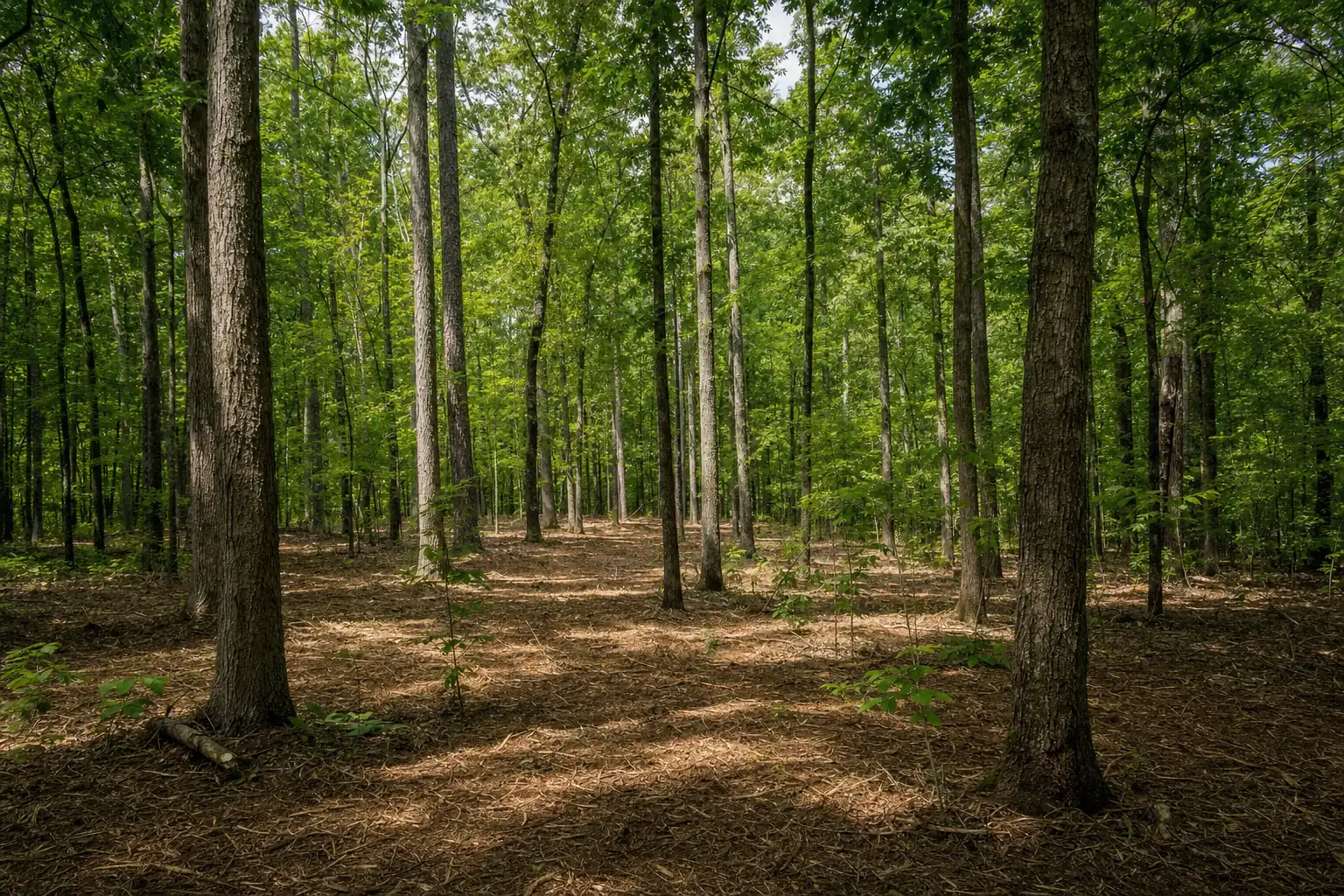
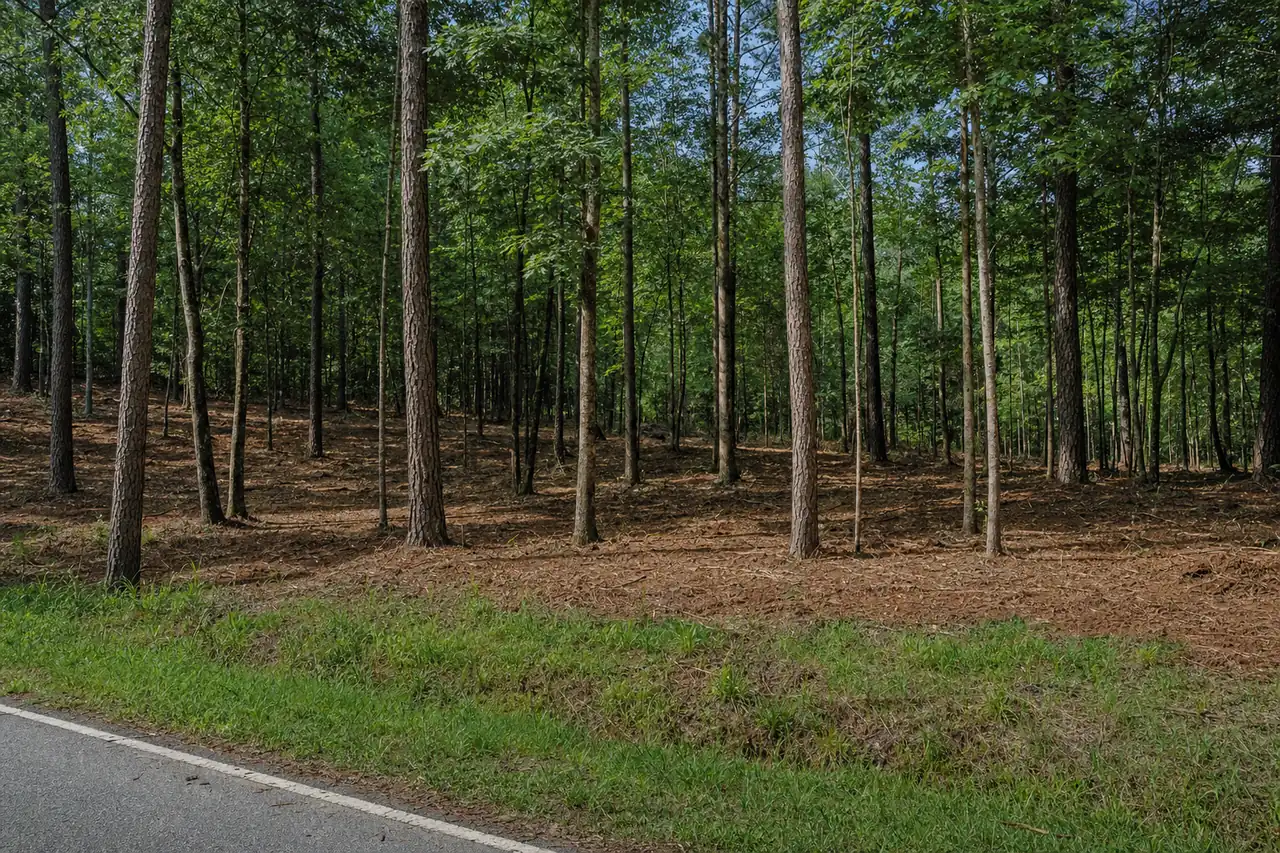
- It looks open and brown. The ground is covered in fresh chips, the stumps sit at grade and the trees you kept stand clear. Green comes back through the chips over the first growing season.
- Does forestry mulching help land sell?
- Clearing lets buyers walk the land and see the trees, the slope and the views on showing day. We can't promise a sale price. The land-for-sale page covers what to clear and what to leave.
Keep reading