
Cost & Planning · 6 min read
Land Clearing Cost Per Acre in Forsyth County: The Honest Ranges
Most wooded land in Forsyth County costs about $1,200 to $6,500 an acre to clear by mulching, and two quotes for the same acres can still land thousands apart. The gap usually comes from what each per-acre line covers: the density band, stumps, erosion control, the permit and the minimum. Read those lines before you compare totals.
A per-acre price you can read. Quote in one business day.
Two quotes for the same five acres
A call we get often goes like this. Someone owns five wooded acres off a county road north of Cumming. They’ve had two contractors out, and the two numbers are far enough apart that they assume one of them is wrong. Usually neither is. The two quotes are pricing different jobs on the same land, and the difference sits in the per-acre line and the lines around it.
The ranges themselves are on our land clearing cost per acre guide. This post is about reading them: which band your land falls in, what a per-acre number does and doesn’t carry, and the questions that make two quotes comparable.
Where your land sits in the range
The range is wide because the land around here varies so much from one tract to the next. An old pasture gone to privet and sweetgum saplings is a different job from a hardwood ridge above a creek, even when the acreage matches.
Mulching per acre around Cumming
- $1,200 to $2,500
- Light: brush, privet and saplings under 4 inches
- $2,500 to $4,000
- Medium: mixed pine and hardwood, 4 to 8 inch trees
- $4,000 to $6,500+
- Heavy: dense hardwood 8 inches and up, slopes over 15 percent
- $1,200 to $2,000
- Flat minimum on a half acre or less
Ranges are estimates for Forsyth County and the surrounding area based on job density, terrain, access and acreage. Your written quote is the only price that applies to your property.
Trunk size moves the number more than anything else. A mulcher grinds a 3-inch sweetgum in seconds and spends minutes on a 12-inch oak, and trees past 8 to 10 inches usually get felled first. Slope comes next. Ground over 15 percent lands in the heavy band whatever is growing on it, because the machine slows down on the grade and works around gullies and rock.
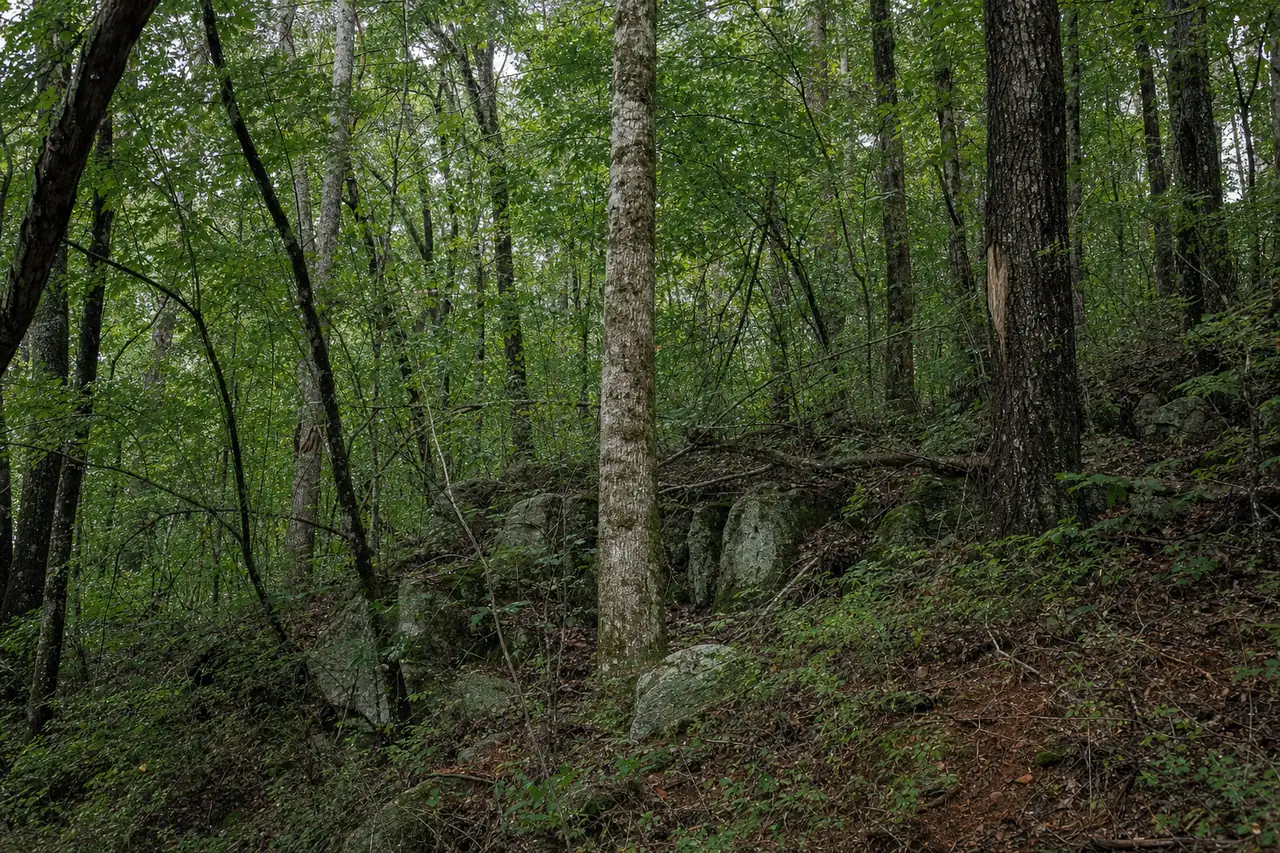
Most tracts aren’t one band from corner to corner. A five-acre parcel can be two acres of privet along the old fence, two of mixed woods and one steep acre of hardwood at the back. A careful quote prices those pieces separately or blends them openly. A quote that puts one rate on the whole tract has made that blend for you, and it’s worth asking how.
What the per-acre line covers
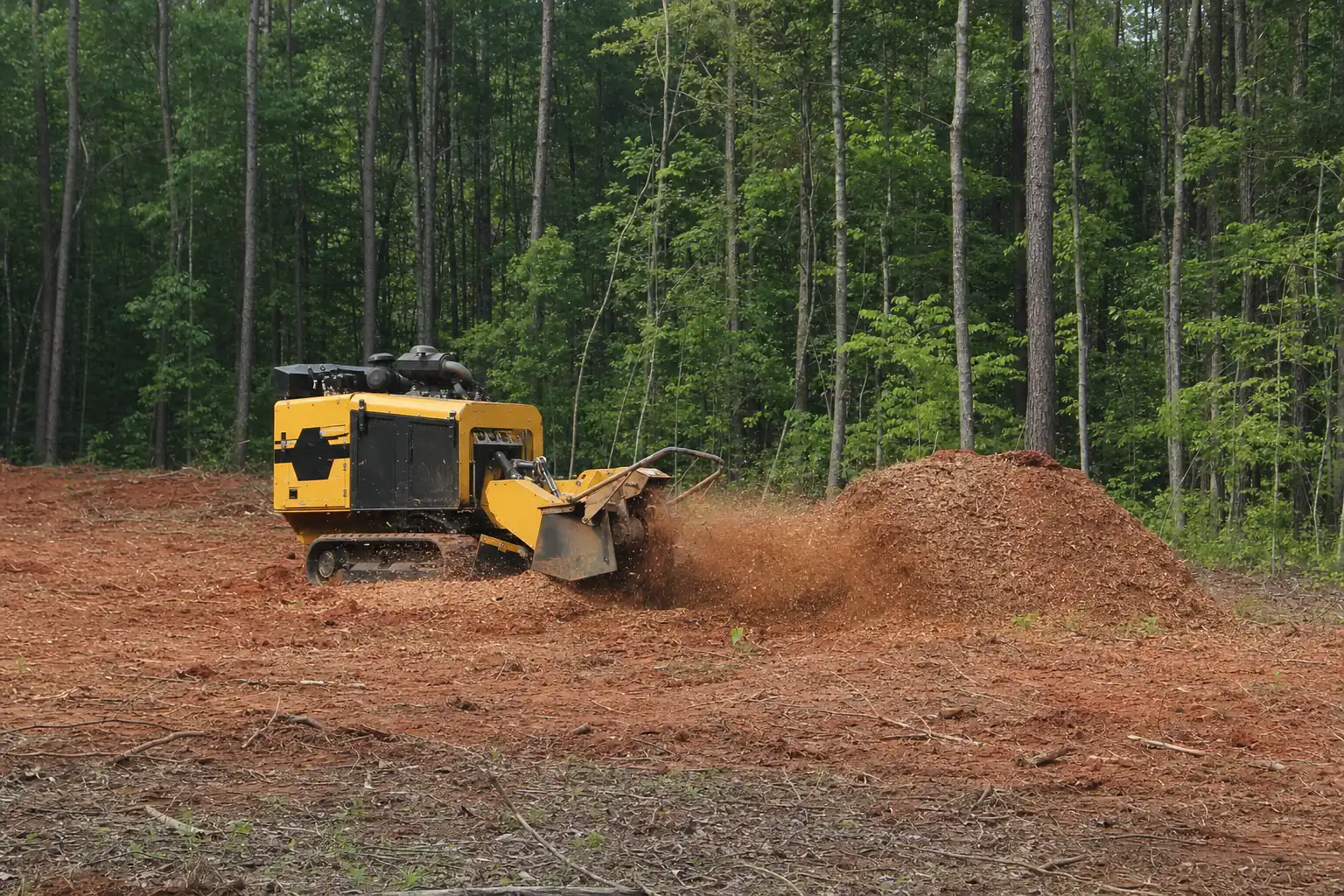
A per-acre mulching rate covers grinding the brush and trees where they stand and leaving the chips on the ground. Several things that come up on a clearing job sit outside it, and they’re where two quotes for the same acres drift apart.
| Item | Usually in the per-acre rate? | What it adds when it’s separate |
|---|---|---|
| Mulching brush and trees in place | Yes | That is the rate |
| Stumps ground flush | Usually, on a mulching job | Ask, because “flush” and “below grade” price differently |
| Stump grinding below grade | No | $100 to $400 per stump |
| Hauling debris away | No | $500 to $2,500 per acre |
| Grading a pad or drive | No | $1,200 to $3,500 per acre |
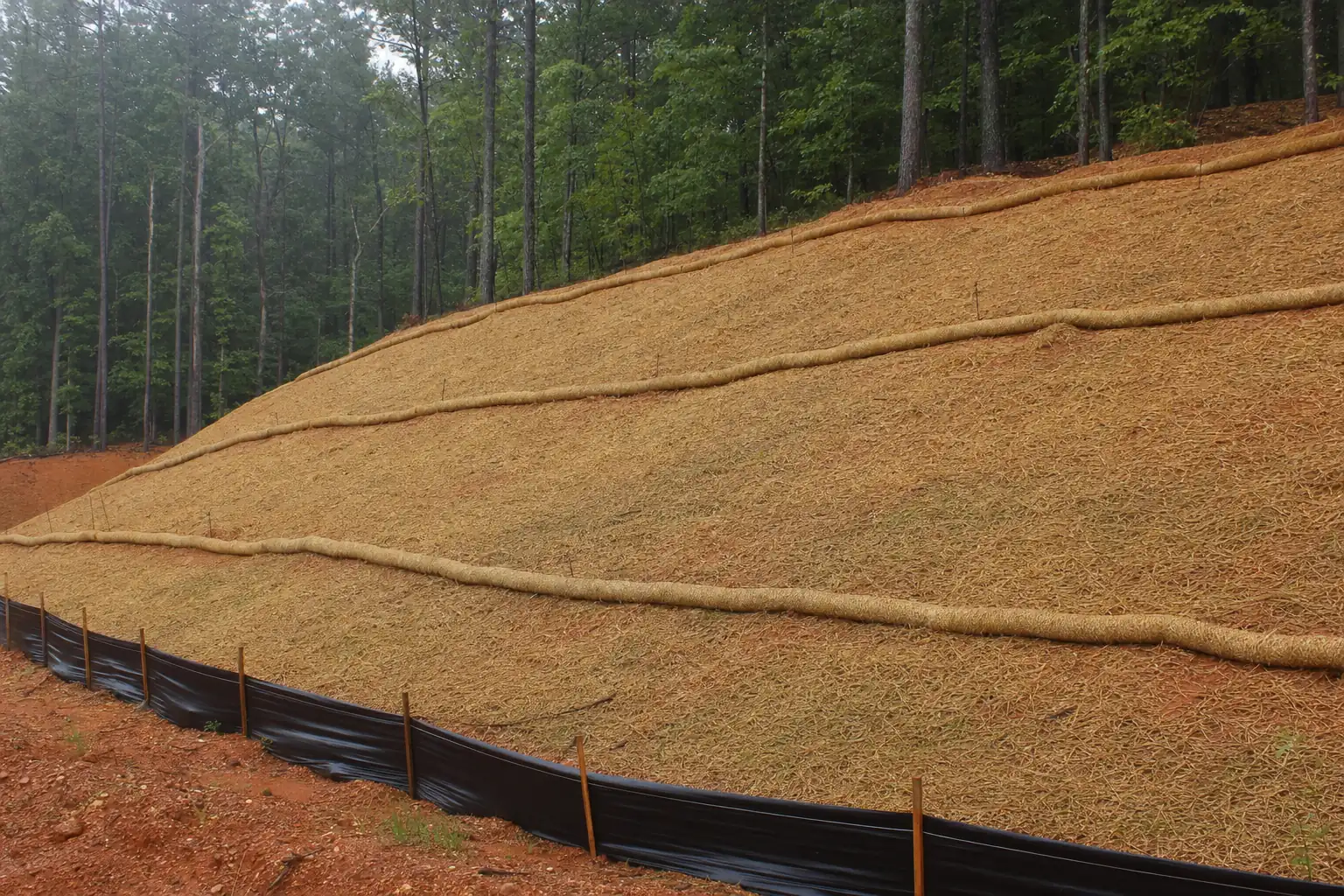
| Silt fence and erosion control | No | $500 to $1,200 per acre |
| County clearing and grubbing permit | No | $250 county fee, plus the erosion plan |
Permit thresholds, fees and buffer widths are those published by Forsyth County and the State of Georgia as of November 4, 2026. Confirm current requirements with the issuing authority before work begins. This is not legal advice.
A lower per-acre rate that leaves out the silt fence can end up costing more than a higher one that includes it, once the fence gets bought separately. In Forsyth County, clearing an acre or more, or working within 200 feet of state waters, brings a land disturbance permit. On those sites the fence and the approved erosion plan come before the first tree. A quote that skips them on a permitted site is pricing a job that can’t legally start. The permit guide explains who needs one.
Measured acres and guessed acres
A per-acre rate is only as good as the acreage it multiplies. Three acres guessed from the road can be two and a half on the plat, or four once the back corner is walked. We measure the area to clear on the walk and draw it on a map, so the acreage on the quote is the acreage the machine will cover.
It also matters which acres you mean. Owning ten acres doesn’t mean clearing ten. A homesite needs its footprint, a working margin, the drive and the utility runs, and the rest can stay wooded or get underbrushed under the big trees at the light-band rate. A high total often prices more ground than the owner needs cleared. See how much land to clear.
Why a small job costs more per acre
Getting the machine to your land costs the same for a half acre as for ten. That trip, the setup and the first hours on site get spread across however many acres the job covers. On a big tract they nearly disappear into the rate. On a quarter acre they are most of the bill, which is why small jobs carry a flat minimum of about $1,200 to $2,000 instead of a per-acre price.
The same math works in your favor as the job grows. One mulcher clears about 1 to 3 acres a day of light growth, so five light acres can fit inside a few machine days, and the per-acre number on a larger tract usually comes in lower than on a single acre. A lone acre often lands near the top of its band. The answers on clearing one acre, clearing five acres and the minimum charge walk through each size.
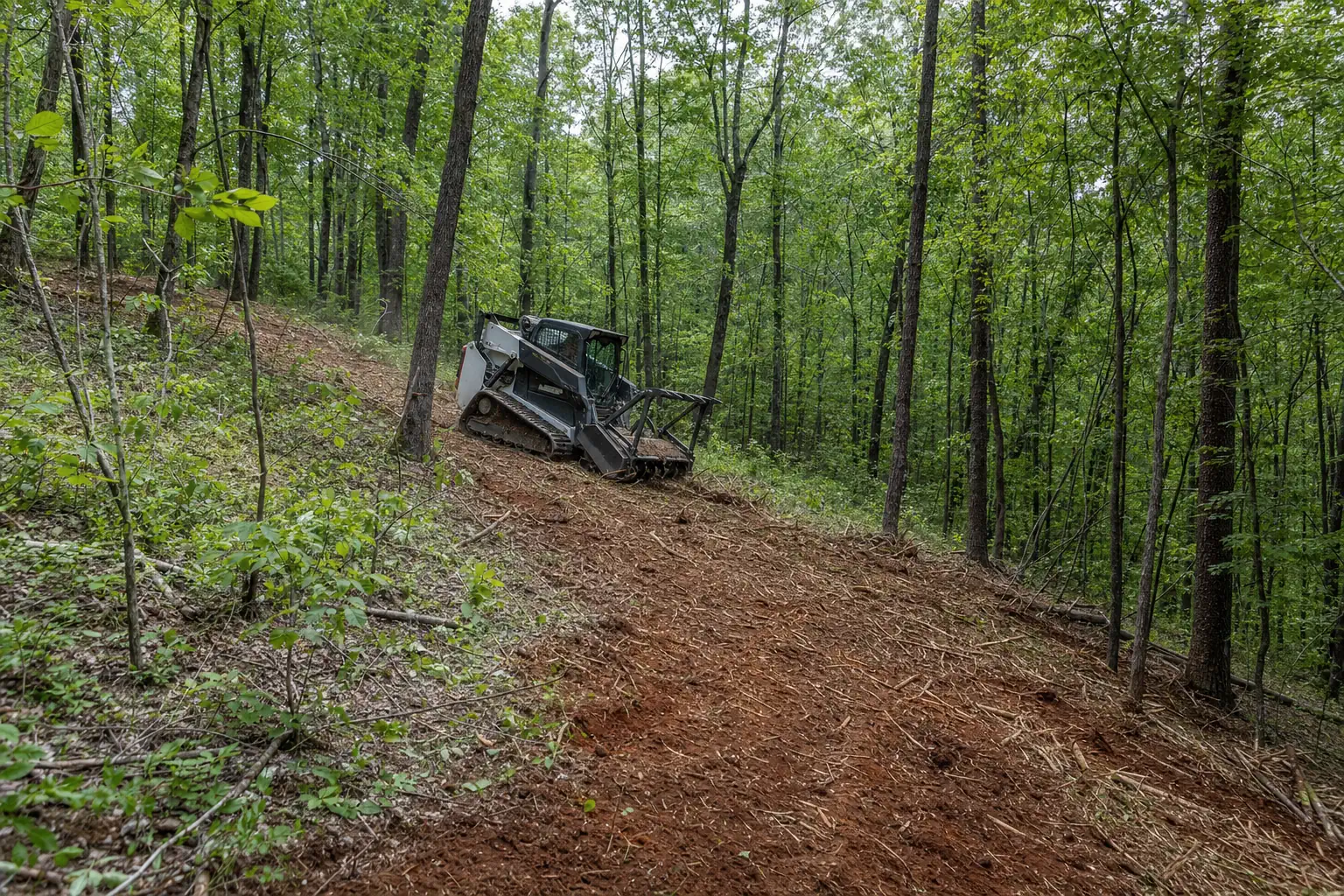 Forestry Mulching in Cumming and Forsyth County
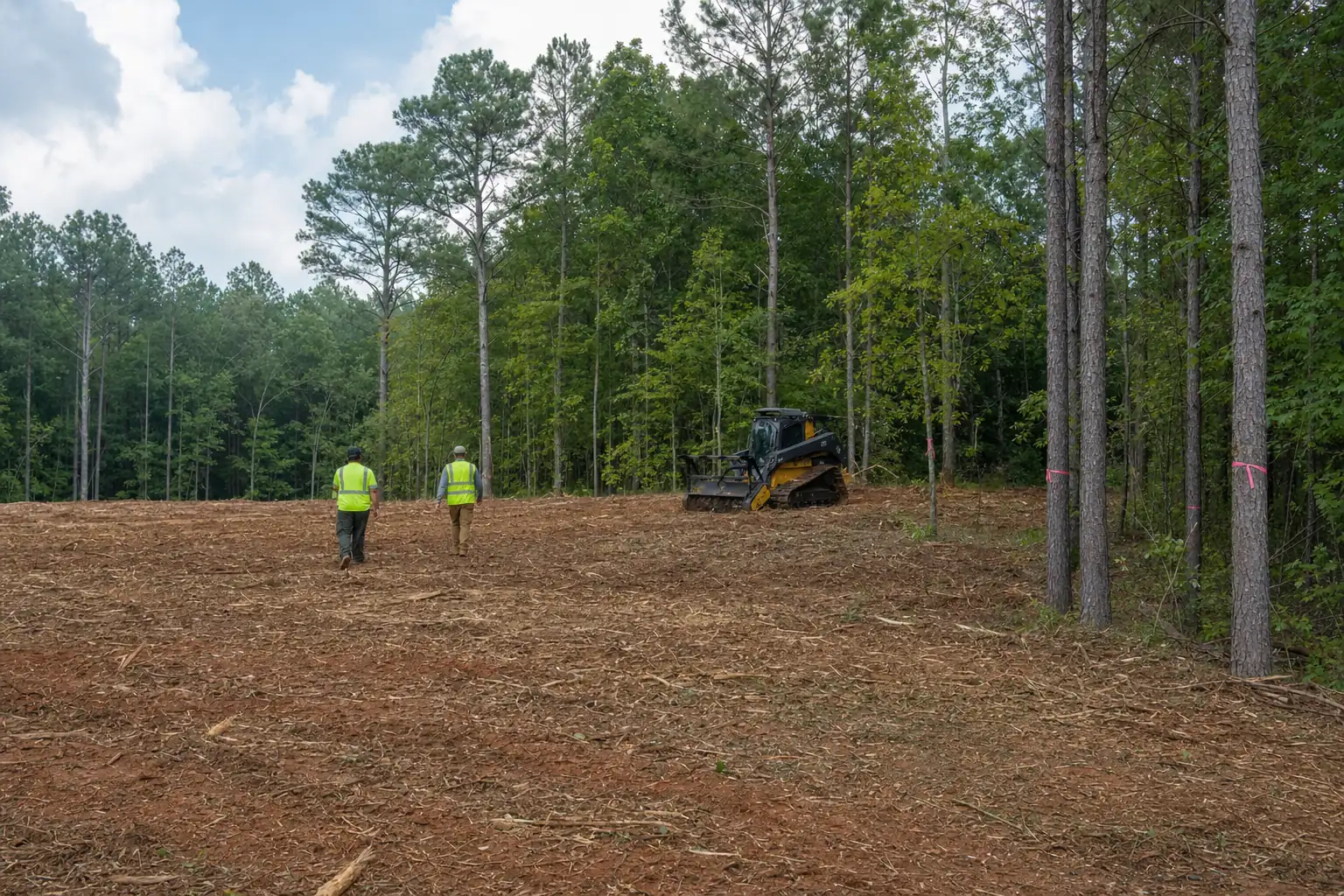 Lot Clearing for New Homes and Small Acreage
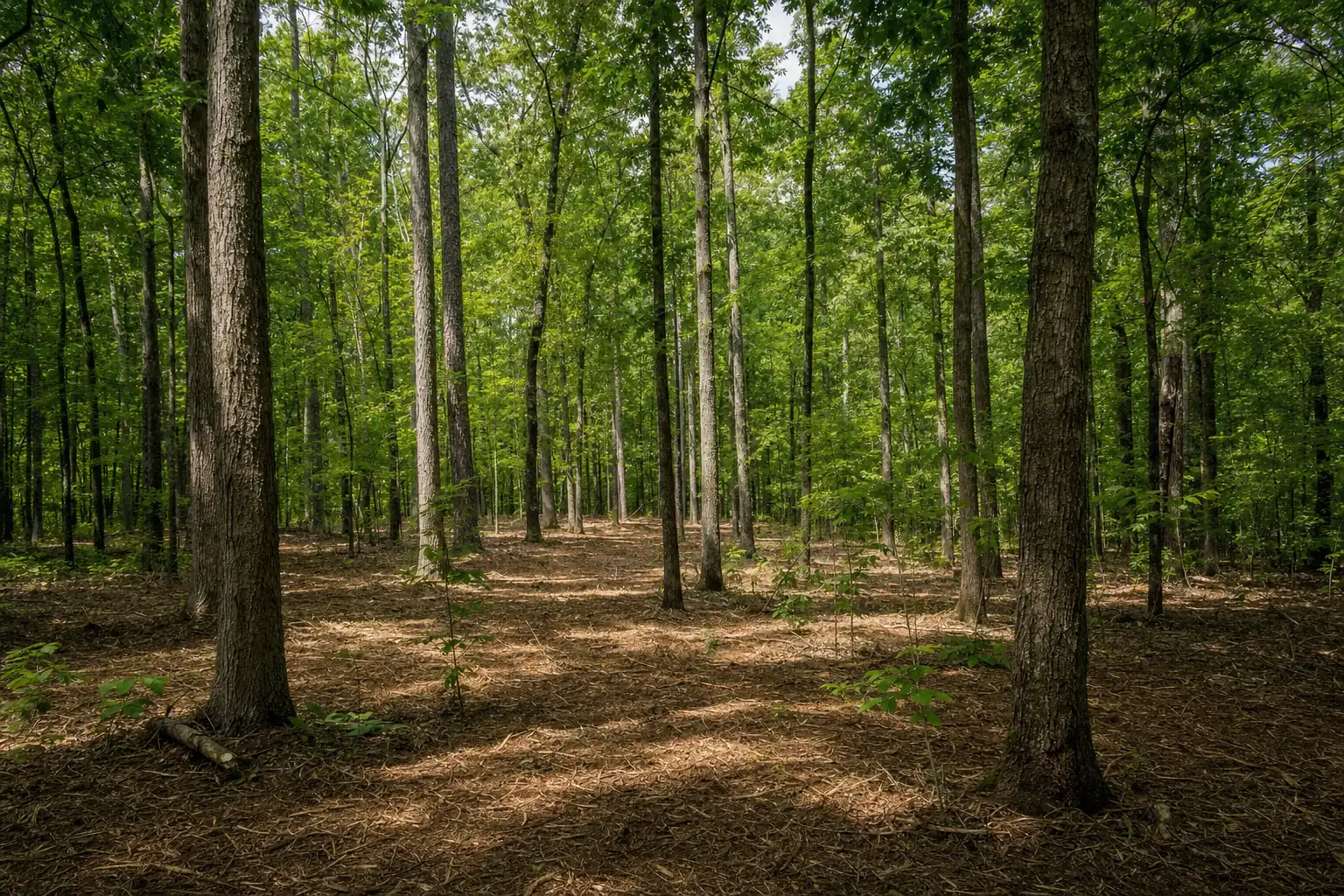 Underbrush Clearing: Open the Woods, Keep the Canopy
Questions that make two quotes comparable
Put these to every contractor you call, us included. A contractor who can answer them in writing has priced your land. One who can’t has priced an average acre.
- How many acres, and where? Measured, with a map or sketch of the area to clear.
- Which band, and why? The trunk sizes and slope that put the land there.
- What happens to the stumps? Ground flush, ground below grade, or pulled, by area.
- What happens to the debris? Mulched in place, ground, hauled or burned. A burn plan runs into the May 1 to September 30 ban here.
- Is the erosion control in the price? And the permit, if the site needs one.
- What isn’t included? The answer to this one decides whether the low quote stays low.
Our post on what a land clearing quote should have in writing covers the whole document, and how to vet a land clearing company covers the people behind it.
How we put a number on your land
On the walk we measure the area, look at the biggest trunks, check the slope and the low side, find any creek within 200 feet and flag the trees you want kept. The written quote then lists the clearing by area and band, the stumps, the finish, the erosion control and the permit as separate lines, on one contract. Weather is on it too: wet red clay can move a start date, and it doesn’t move the price.
The ranges on this page and the cost guide are estimates for planning. The quote after the walk is the price for your land. Budget past the clearing day as well: sweetgum, privet and briars sprout back the first spring, so plan for maintenance mowing if you want the ground to stay open.
The short version
Find your band by the trunks and the slope, not the acreage. Check which lines sit outside the per-acre rate. Measure the acres you actually need cleared. Then compare the totals, with the same pieces in each one. If the land is on our side of the county, the land clearing page shows how we run the job from walk to finish.
Go deeper