Straight answer · 4 min read
How Big Should a Food Plot Be?
Big enough to grow forage after the deer and the shade take their share, and small enough to hunt from one stand. On North Georgia hunting land, the plot's job, the sunlight the opening gets and how you'll plant it set the size. Clearing light brush for a plot runs about $1,200 to $2,500 an acre.
There’s no single right size, and anyone who gives you one number hasn’t seen your land. What we can give you is the set of questions that settle it, and what each answer does to the clearing and the price.
Start with what the plot is for
Hunters around here build three kinds of plot, and they size each one differently.
| Plot | What it’s for | How to size it |
|---|---|---|
| Hunting plot | Bringing deer into range of one stand in daylight | Small enough to shoot across from the stand, tucked into cover |
| Feeding plot | Holding forage through the winter for the deer on the tract | Large enough that browsing doesn’t wipe it out before the season ends |
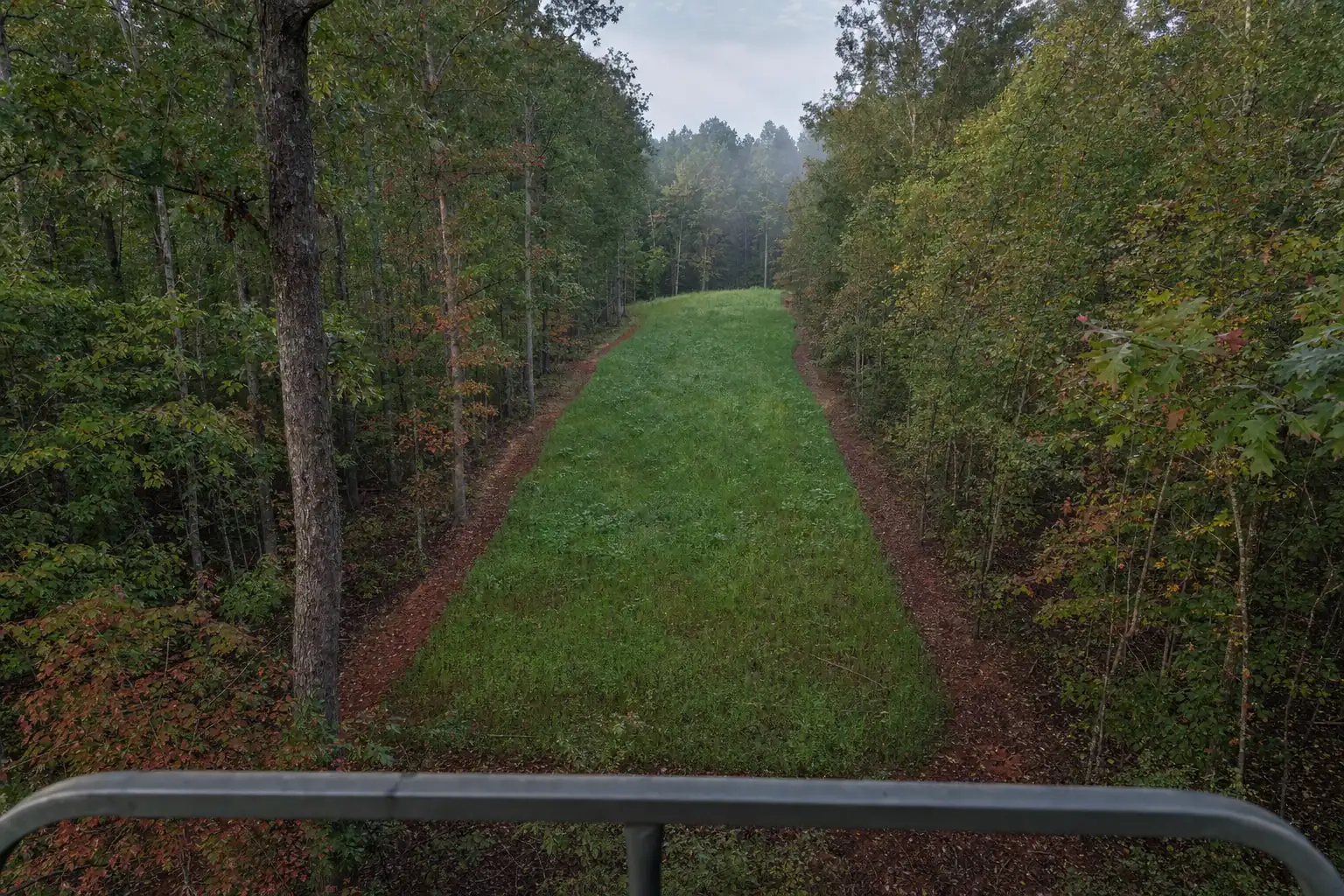
| Trail or lane plot | A strip planted along a woods road, firebreak or wide trail | Long and narrow, using ground you’ve already opened |
A hunting plot is measured from the stand: if you can’t see and shoot the far edge, it’s bigger than it needs to be. A feeding plot is measured by how much forage survives the deer. On a tract with a lot of deer, a small feeding plot gets eaten to the dirt before the season ends.
Sunlight decides more than acreage
A plot is only as good as the sun it gets. A narrow opening in tall timber sits in shade much of the day, and clover and cereals grow thin there. The same acreage cut as a wider opening grows far more forage.
- Width against tree height. A plot narrower than the trees around it are tall stays shaded for much of the day.
- Which way it runs. A plot stretched east to west catches more sun through the day than one stretched north to south.
- The south edge. Tall trees on the south side shade the plot the most. Thinning or underbrushing that edge lets more light in without making the plot bigger.
On a lot of North Georgia tracts the better answer is a plot of the same size with the right edge opened up, rather than a bigger plot.
Shape, edges and cover
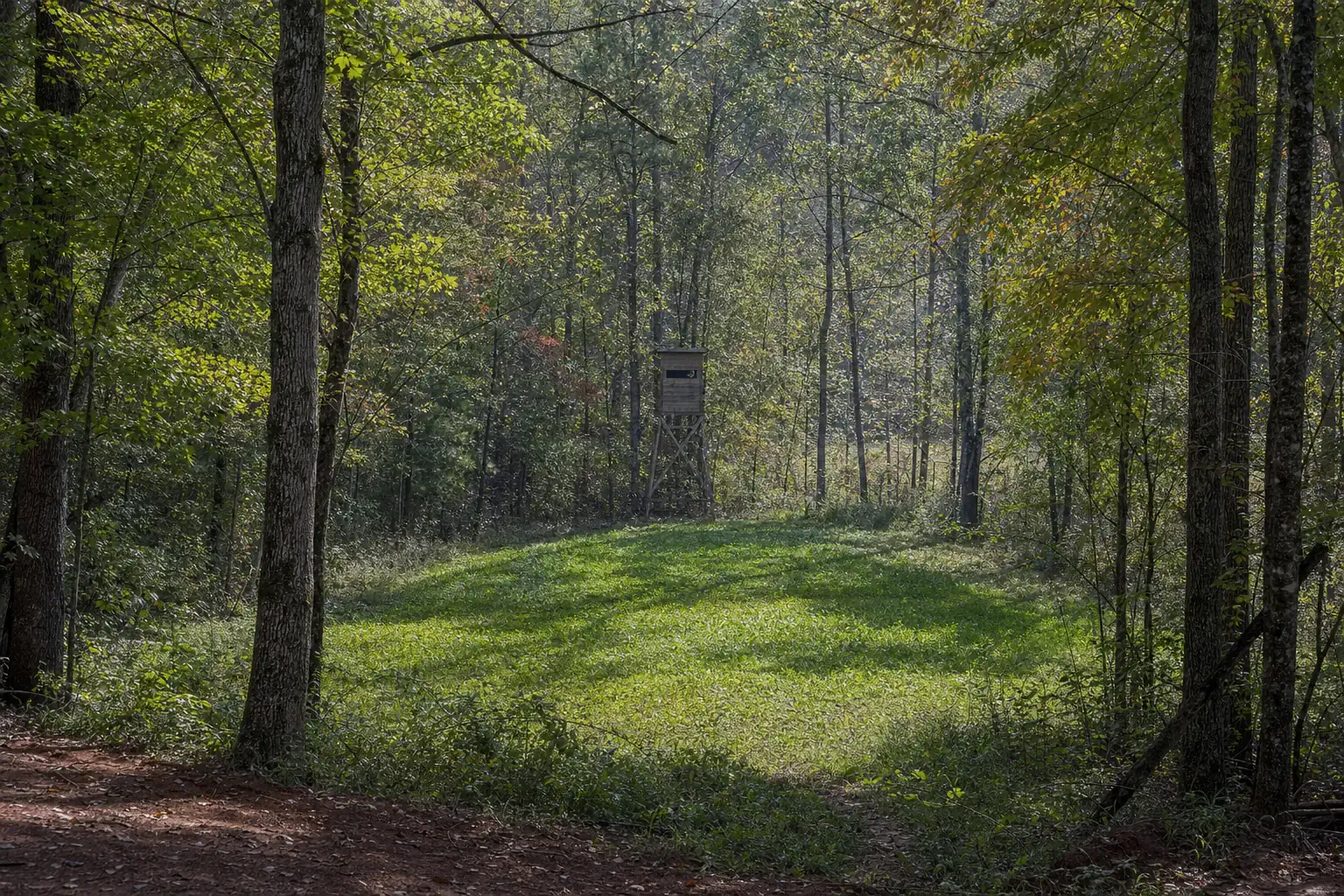
Deer step into a plot from cover. An irregular plot with bends and points, or an L shape, gives them more edge to come out of and keeps part of the plot out of view from the road. A square plot with hard, clean edges holds deer back until dark.
Leave the screening cover around the plot thick, especially on any side that faces a road, a drive or a neighbor. The guide to laying out trails, shooting lanes and screening cover covers the layout around the plot.
How you’ll plant it
Your equipment sets a floor on size and shape. A plot you plant with a tractor and disk needs room to turn at the ends and stumps ground below grade or pulled across the seedbed. A clover plot you frost-seed and mow can be smaller and tighter, with stumps left at the mulch line.
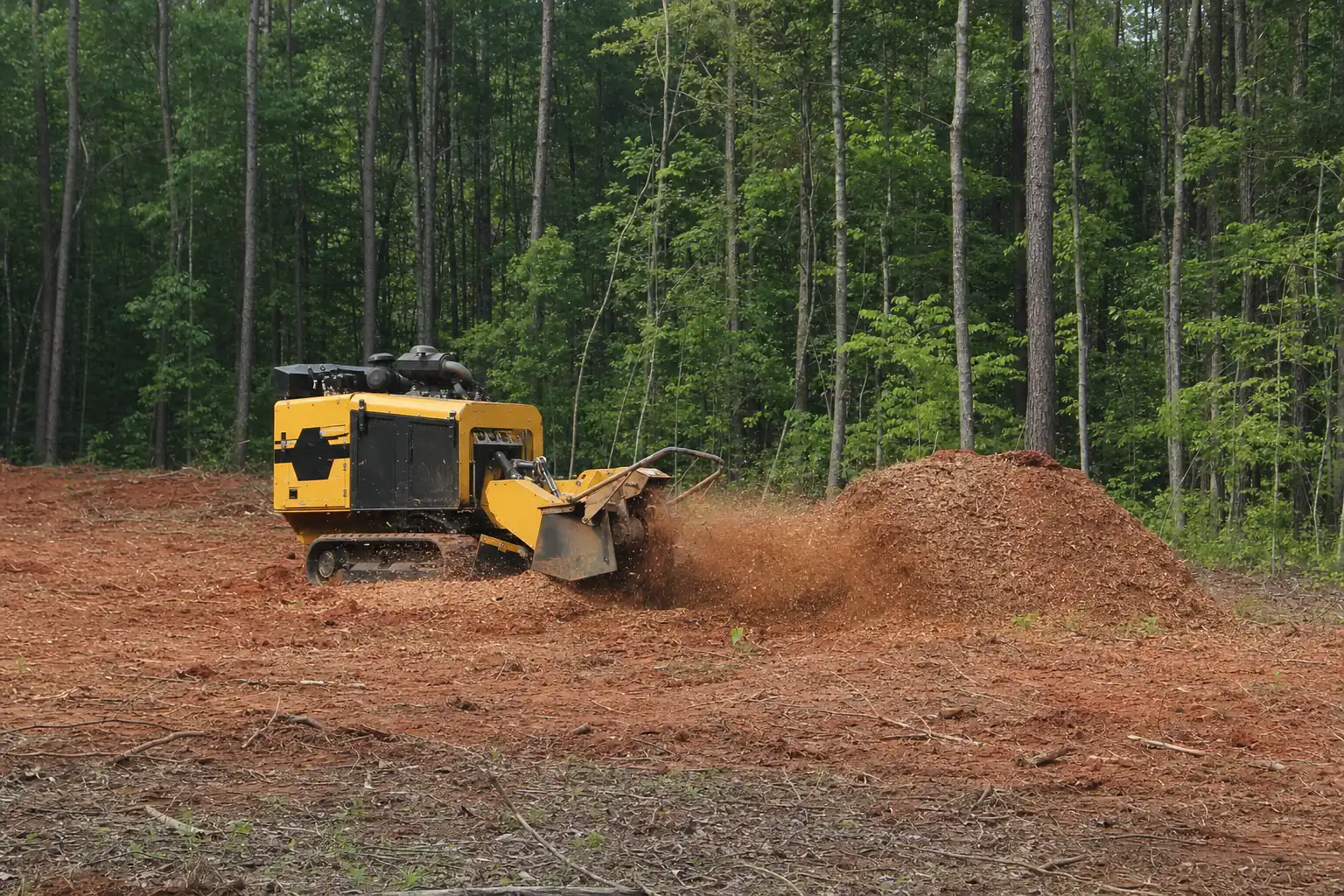
That choice changes the clearing more than the acreage does. Stump grinding across a plot runs $400 to $800 an acre on top of the mulching.
What size costs
Most plot ground is light brush or mixed growth, and it prices per acre. Small plots carry a minimum because the machine still has to come out.
What plot clearing costs around Cumming
- $1,200 to $2,500
- Per acre, light brush, privet and saplings
- $2,500 to $4,000
- Per acre, mixed growth with trees 4 to 8 inches
- $400 to $800
- Per acre, stump grinding on the seedbed
- $1,200 to $2,000
- Small-job minimum
Ranges are estimates for Forsyth County and the surrounding area based on job density, terrain, access and acreage. Your written quote is the only price that applies to your property.
Three small plots spread across a tract take more machine time than one plot of the same total acreage, because the machine moves between them. Booking plots, lanes and trails on one trip spreads the haul across all of it.
Size can also bring county paperwork into it. Forsyth County requires a land disturbance permit for clearing an acre or more, or any clearing within 200 feet of a creek, with exemptions for farming and forestry. We count your plots, lanes and trails together on the walk and tell you which side of that line the plan falls on before anything is scheduled.
Permit thresholds, fees and buffer widths are those published by Forsyth County and the State of Georgia as of November 4, 2026. Confirm current requirements with the issuing authority before work begins. This is not legal advice.
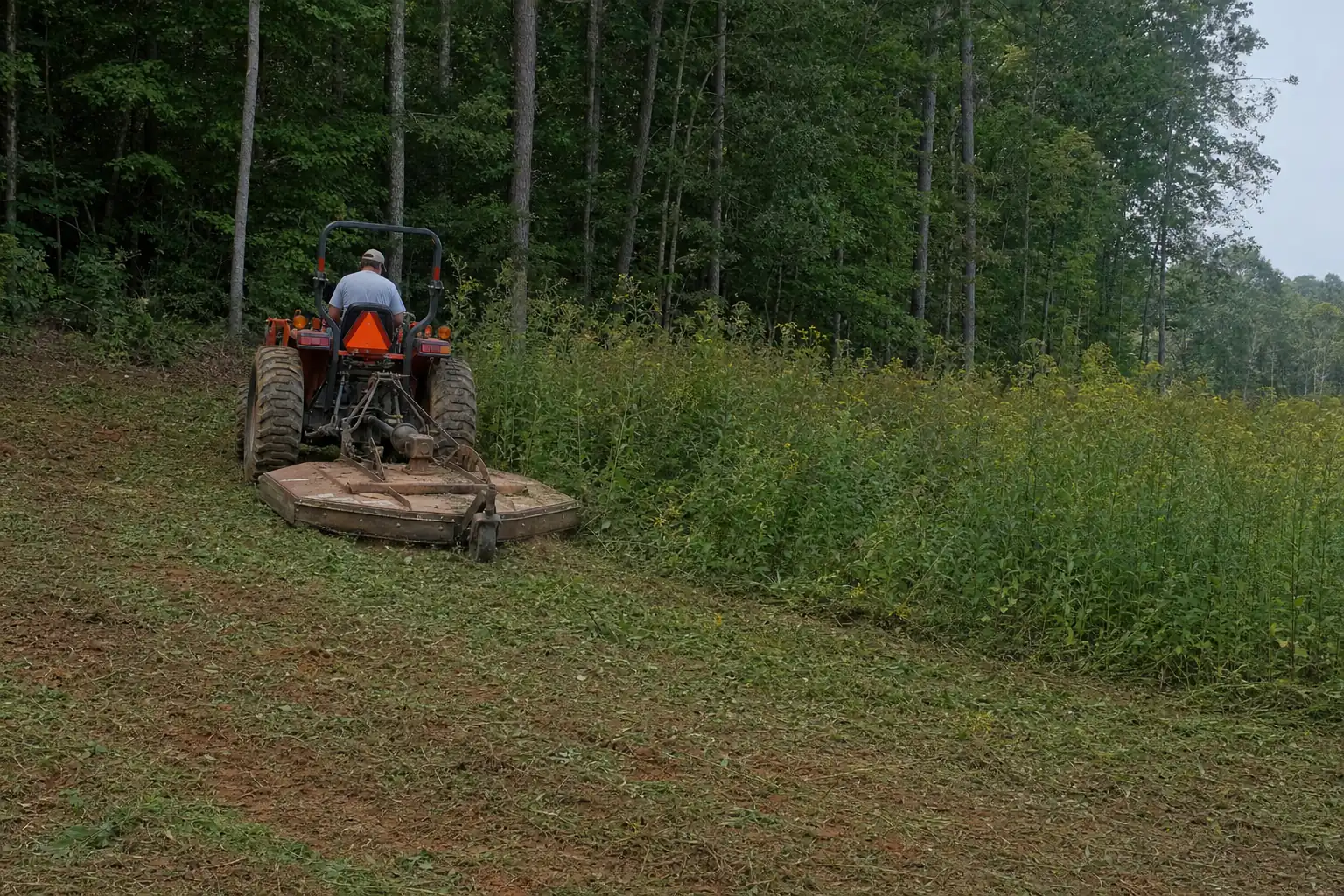
Every plot edge grows back toward the middle unless you mow it. One pass each summer, before bow season, holds the edges; that’s maintenance mowing. For timing, see the North Georgia food plot calendar: clear by July, plant in late August or September. The hunting and timber land page covers the rest of the work on a hunting tract.
FAQ
More about sizing a food plot
- Is one big plot better than several small ones?
- It depends on the job. One larger plot holds forage longer under heavy browsing. Several small hunting plots, each in view of a stand, give you more places to hunt on different winds. Small plots spread across a tract cost more per acre to clear because the machine moves between them.
- Can a food plot be too narrow?
- Yes. A plot narrower than the trees around it are tall sits in shade much of the day, and the forage grows thin. Widening the plot or thinning the timber on its south edge lets more sun reach it.
- Do the stumps have to come out of a food plot?
- Only if you'll disk it. A clover plot you mow and frost-seed can keep its stumps at the mulch line. A plot you disk every fall needs stumps ground below grade or pulled, which runs $400 to $800 an acre on top of the mulching.
- Does a food plot need a permit in Forsyth County?
- Sometimes. The county requires a land disturbance permit for clearing an acre or more, or any clearing within 200 feet of a creek, with farming and forestry exemptions. We count your plots, lanes and trails together on the walk and tell you where the plan stands.